


















In the fast-paced world of business, safety and efficiency often go hand-in-hand, making the role of a fire aerial truck not just significant, but essential. These powerful machines are engineered to tackle emergencies from towering heights, enabling firefighters to reach otherwise inaccessible areas. For business owners, equipping their fire safety strategy with an aerial truck means safeguarding lives and property against the devastating impact of fires. From warehouses to high-rise buildings, the capability to deploy firefighters and resources quickly can mean the difference between minimal damage and catastrophic loss. In a landscape where every second counts, the investment in quality fire aerial equipment isn’t merely transactional; it’s a commitment to protect employees and assets. Moreover, businesses that prioritize robust fire safety measures can inspire confidence among clients and stakeholders, enhancing their reputation as responsible entities. By choosing to incorporate advanced fire aerial trucks into their emergency response plans, business owners not only comply with safety regulations but significantly increase the chances of preserving lives and livelihoods. If you’re considering upgrading your fire safety services, check out our comprehensive selection of fire trucks for sale to find the right aerial solution tailored to your needs.
Fire Aerial Truck Specifications
Fire aerial trucks are crucial in firefighting and rescue operations, especially in urban infrastructures where high-rise buildings pose significant challenges. The specifications of these trucks vary widely, impacting their performance and capabilities in emergency situations. Below is a detailed outline of the key specifications that define fire aerial trucks, including height, reach, capacity, water flow rates, and types of ladders utilized.
Key Specifications
- Height and Reach
- حداکثر ارتفاع کاری: The maximum working height of fire aerial trucks typically ranges from 20 meters (65 feet) to over 60 meters (196 feet). For example, the XCMG DG53C offers a height of 53 meters while CXFIRE’s water tower reaches up to 60 meters.
- برد حداکثر: Most aerial firefighting vehicles are designed to reach at least 100 feet (approximately 30 meters) vertically and horizontally. The King Run 20m Aerial Ladder has a maximum platform height of 20 meters, allowing for flexible access to high structures.
- 5. ظرفیت
- ظرفیت پلتفرم: Aerial platforms must support heavy loads, often designed to carry 400 kg to over 1000 kg, depending on the model and its intended use. For instance, the water tank capacity can range from 1,000 liters to 5,300 liters in models like the King Run aerial unit.
- ظرفیت مخزن آب: Capacity for water tanks generally ranges from 3,000 to 10,000 liters for aerial trucks, ensuring substantial water resources for firefighting operations.
- Water Flow Rates
- Effective firefighting requires robust water delivery systems, with flow rates often between 50 to 80 liters per second. The Hubei Veldlion YT32, for instance, has not specified flow rate, but typically, modern aerial ladder trucks can achieve rates around these figures with enough pressure (usually 1.0 MPa).
- Types of Ladders
- Straight Boom: This type provides a linear extension for straightforward access to high buildings.
- Articulating Arm: Articulated ladders offer flexibility, allowing operators to maneuver around obstacles during rescue operations.
- Combination Boom: Incorporating features of both straight and articulating options, this provides versatile capabilities in varied environments.
- Engine Power and Stability
- Most fire aerial trucks are equipped with powerful diesel engines ranging from 400 to 650 horsepower, ensuring they can carry heavy payloads while maintaining mobility. Stability is also paramount; hence, many ground units are equipped with hydraulic stabilization systems to stabilize the vehicle while working.
Comparative Overview
| Feature | XCMG DG53C | King Run 20m Aerial Ladder | CXFIRE 60m Water Tower | PM180F1 Aerial Platform |
|---|---|---|---|---|
| ارتفاع کاری حداکثر | 53 m | 20 متر | 60 m | Not specified |
| Max. Platform Capacity | 400 کیلوگرم | Not specified | Not specified | Not specified |
| Water Monitor Rated Flow | 50 L/s | 60 L/s | Not specified | Not specified |
| Water Monitor Rated Pressure | 1.0 MPa | 1.0 MPa | Not specified | Not specified |
| ظرفیت مخزن آب | Not specified | 1,000 – 5,300 L | Not specified | 7,001 – 10,000 L |
Sources:
نتیجهگیری
Understanding fire aerial truck specifications is essential for business owners and decision-makers in emergency services. These specifications directly influence the trucks’ effectiveness in tackling fires in high-risk environments. The capabilities of aerial trucks ensure that firefighters can access heights, carry adequate water supplies, flow water efficiently, and respond promptly to emergencies. For business owners considering the procurement of fire trucks, considering these specifications will significantly impact the safety and efficacy of firefighting operations in their jurisdiction. For more options on fire trucks, consider exploring کامیونهای آتشنشانی برای فروش و چشمانداز بازار فروش کامیونهای آتشنشانی.
Comparison of Popular Fire Aerial Truck Models
To assist business owners in selecting the right fire aerial truck, we have compiled a detailed table showing the specifications of five popular models. This comparison includes key details such as height, ladder reach, water capacity, and average cost.
| نام مدل | Height Reach | Ladder Reach | Water Capacity | Average Cost |
|---|---|---|---|---|
| King Run 20m Aerial Ladder Fire Rescue Truck | 20m | 20m | 1000-5300L | $205,600 |
| Isuzu 4X2 12m-16m Aerial Work Platform Basket Truck | 16m | 10.5m | Not specified | $35,000 – $29,000 |
| China Truck Plus Jiuhe Lift Bucket Truck (21m-45m) | 21-45m | Variable | Not specified | Custom pricing |
| Pierce Quantum Aerial Ladder Truck | 38m | 38m | 3000L | $1,500,000 – $2,000,000 |
| 4X4 E-Drive Wireless-Controlled Aerial Firefighting Robot | 10m | Variable | <3000L | $99,950 |
For more detailed insights on choosing a fire aerial truck, you can visit Zoomlion’s fire trucks for sale 12. یا عملیات نردبانهای هوایی مرور کلی بازار فروش کامیونهای آتشنشانی گسترده یافت.
The History and Evolution of Fire Aerial Trucks
The history of fire aerial trucks intricately intertwines with the advancement of firefighting technology. From crude beginnings, aerial trucks have evolved significantly over the decades, impacted by innovations that enhance their efficiency and safety during critical firefighting missions.
Early Developments: The 19th and Early 20th Century
In the late 1800s, aerial firefighting was a rudimentary affair, primarily reliant on manual tools and horse-drawn apparatus. The real pivot in their evolution began in the 1930s with the introduction of the first motorized fire engines. However, it wasn’t until the emergence of aerial platforms in the 1960s that firefighting on elevated terrain significantly advanced. These platforms allowed operators to battle fires from heights and provided better visibility and access to challenging locations.
The 1970s: Advancements in Design and Functionality
By the 1970s, fire departments began to adopt hydraulic aerial ladders mounted on trucks. This design was a game-changer, allowing firefighters to extend their reach beyond traditional methods. Innovations such as the platform aerial, which features a bucket or platform at the end of the ladder, enhanced the safety of firefighters. Moreover, these trucks started to include onboard pumps and water storage solutions, allowing them to deliver rapid water supply directly at the source of the fire.
The 1980s to 1990s: Technology Takes Center Stage
The 1980s witnessed a surge in technological advancements. Fire aerial trucks began to integrate sophisticated hydraulic systems, improving their lifting capabilities and precision during operation. Moreover, advancements in materials, such as lightweight and high-strength composites, allowed for more robust and lightweight designs, increasing maneuverability while reducing wear and tear.
The 21st Century: Automation and Smart Technology
The new millennium introduced a wave of automation and smart technologies. Modern fire aerial trucks feature automated controls, ensuring precise positioning and smoother maneuverability. For instance, advancements in GPS technology have allowed for better navigation and operational planning, which are crucial in emergency scenarios.
Furthermore, the integration of on-board diagnostic systems has played a pivotal role in enhancing maintenance practices, ensuring vehicles are always ready for action. Innovations such as real-time data transmission capabilities enable firefighters to receive updated information about the situation on the ground, aiding in efficient resource allocation.
Recent Innovations: Focus on Safety and Efficiency
More recently, there has been a significant emphasis on safety and environmental considerations. Many new aerial trucks are now built with eco-friendly materials while also incorporating energy-efficient systems that minimize emissions. The integration of drones for aerial surveillance and reconnaissance has revolutionized how personnel assess fire situations before deploying aerial trucks on-site.
In 2023, advancements in materials and design have enabled the development of net-zero energy fire stations, utilizing solar panels and other sustainable technologies, thus reflecting a more holistic approach to firefighting and community safety.
Conclusion: The Future of Fire Aerial Trucks
As we look to the future, the evolution of fire aerial trucks is likely to continue its trajectory of rapid advancement. The focus on integrating artificial intelligence and machine learning into fire operations may soon allow for predictive analytics to further enhance decision-making during emergencies. This continual evolution not only aids in improving fire control efficacy but significantly enhances the safety of firefighters and the communities they protect.
To explore the latest models of fire aerial trucks available for purchase, check out our page on کامیون های آتش نشانی برای فروش. For business owners considering investment options, visit our guide on خرید کامیونهای آتشنشانی to understand the various specifications and factors to consider.

For more insights into the specifications of modern fire aerial trucks, refer to our detailed resources.
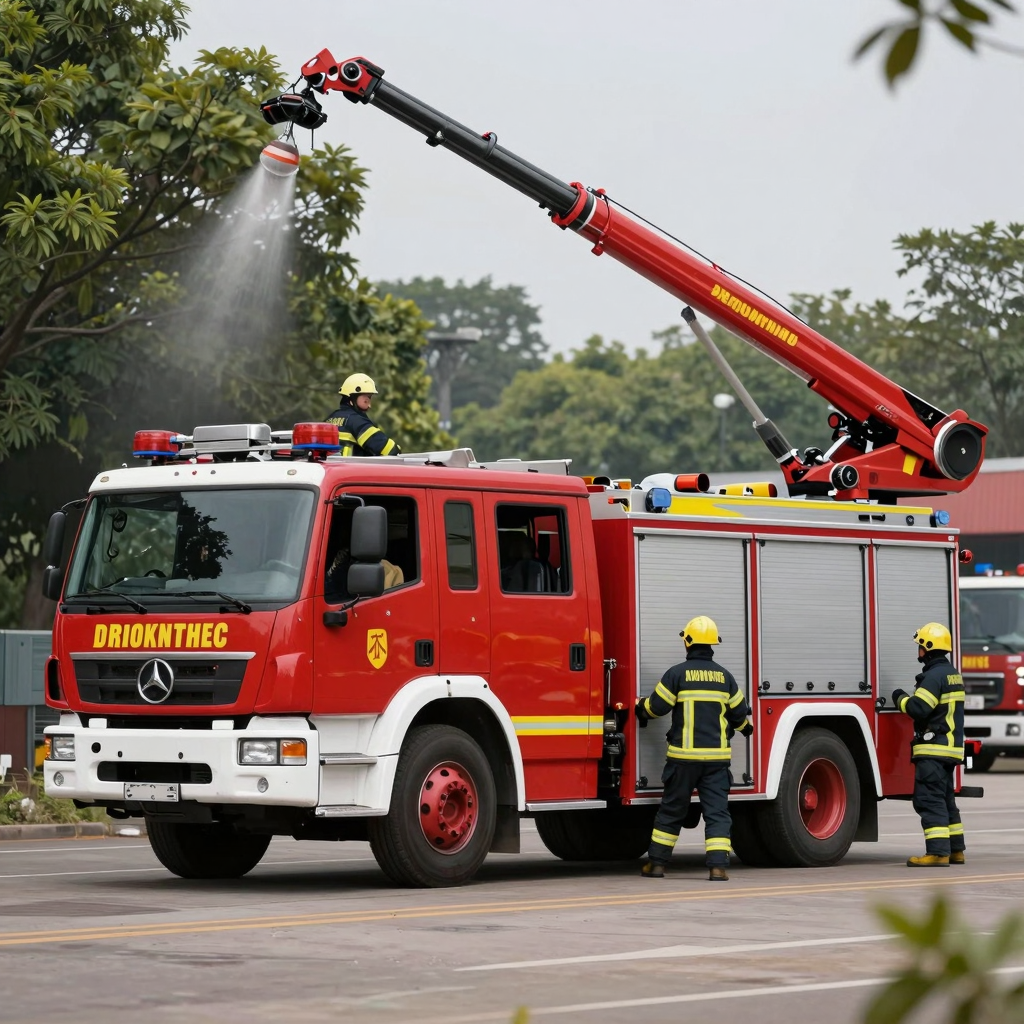
Importance of Maintenance for Fire Aerial Trucks
Fire aerial trucks play a pivotal role in modern firefighting and emergency response operations. Given their critical function, regular maintenance is essential not just for operational efficiency but also for the safety of crew members and the public.
Key Aspects of Maintenance
- Weekly and Daily Inspections
- Inspections should begin with daily visual assessments, checking for visible damages, leaks, or malfunctioning lights.
- A thorough weekly hydraulic system check is crucial, ensuring the hoses and fittings are undamaged and functional. This also includes testing lights and alarms that alert crew members during emergencies.
- Monthly Procedures
- Every month, teams should grease joints, replace filters, and change hydraulic fluids according to the manufacturer’s guidelines. A complete electrical system check must also be performed to avoid any disruptions in high-pressure situations.
- Annual Overhauls
- Comprehensive yearly tests for operational efficacy and structural integrity are fundamental. These include maximum lifting tests, structural inspections, and major component overhauls. Non-destructive testing can be useful for ensuring the truck’s chassis remains sound over time.
تأثیرات مالی
Investing in a rigorous maintenance schedule directly impacts a fire department’s bottom line. According to reports, regular maintenance can lead to cost savings by prolonging the lifespan of the vehicle and preventing costly emergency repairs. Thus, establishing a regular maintenance routine is a smart business decision that can protect your investment and department’s budget.
توجهات امنیتی
Safety is paramount for any firefighting operation. A malfunctioning fire aerial truck can lead to disastrous outcomes, not only risking the lives of firefighters but also those they serve. Regular inspections help identify potential problems before they escalate into serious hazards. Therefore, following the guidelines set forth by the National Fire Protection Association (NFPA), which mandates specific inspection frequencies, can significantly enhance both crew and public safety.
Typical Maintenance Schedule
The following table outlines typical maintenance procedures for fire aerial trucks:
| تناوب نگهداری | Check/Procedure | Details |
|---|---|---|
| روزانه | بررسی بصری | Inspect for visible damage, leaks, loose components, ensure all lights, horns, emergency equipment functional. |
| روزانه | Tire Pressure Check | Verify tire pressure (usually 100-120 psi) and check for damages. |
| روزانه | آزمایش عملکرد | Test aerial ladder’s functions including extension, rotation, and safety interlocks. |
| هفتگی | بررسی سیستم هیدرولیکی | Inspect hoses and fluid levels; check for leaks or corrosion. |
| هفتگی | Lights and Alarms | Test all lights, sirens, and alarms for proper operation. |
| Monthly | Greasing and Adjustments | Lubricate joint areas and adjust cables or linkages as needed. |
| Monthly | Fluid Changes and Filter Replacement | Change hydraulic fluid and filters. |
| Monthly | Electrical System Check | Inspect wiring and control systems for wear. |
| Yearly | Comprehensive Operational Test | Conduct a full diagnostic assessment of vehicle operation. |
| Yearly | Structural Integrity Inspection | Examine the chassis and structural welds for integrity. |
| Yearly | Calibration and Precision Adjustment | Calibrate sensors and align boom positioning. |
| Yearly | Major Component Overhaul | Inspect and service key components like pumps and motors. |
Following this maintenance schedule not only ensures the functionality of your fire aerial trucks but also enhances the safety and efficiency of fire response programs. By adopting these practices, you protect your vehicles, your crew, and the communities you serve.
Importance of Reliable Fire Aerial Trucks
“Reliable aerial fire trucks are a lifeline; any failure in equipment can lead to catastrophic consequences. Their continuous upgrades demonstrate a commitment to both reliability and efficiency.” – Fire Rescue Expert
This testimonial highlights the crucial role that high-quality aerial trucks play in emergency fire response, underscoring the need for business owners to invest in dependable equipment for safety and efficiency. بیشتر درباره خرید کامیونهای آتشنشانی بیاموزید.
The Benefits of Owning a Fire Aerial Truck for Businesses
Owning a fire aerial truck can be a game-changer for businesses, especially those operating in urban areas or in industries where fire risks are elevated. Here are some compelling benefits of owning this essential firefighting apparatus:
1. Potential Insurance Benefits
Businesses often face high insurance premiums, particularly those at greater risk of fire damage. However, equipping a facility with advanced firefighting tools such as aerial trucks can lead to significant cost reductions in insurance premiums. According to the Insurance Information Institute, properties with enhanced fire protection systems can observe premium reductions ranging from 15% to 30% based on their coverage plan. This is due to the lower risk of catastrophic losses when these aerial trucks are available to mitigate threats quickly and effectively.
For more about fire truck options that can reduce your insurance costs, see our 10. . شما همچنین میتوانید گزینههای فروش کامیون آتشنشانی ما را بررسی کنید.
2. Enhanced Safety Measures
Fire aerial trucks are not only beneficial from an operational standpoint but also significantly improve safety measures for both firefighters and civilians.
High Reach and Quick Access: These trucks typically have the capability to reach heights of up to 60 meters, making them invaluable during high-rise emergencies. This elevated access allows firefighters to quickly deliver water to upper floors, conduct rescues, and prevent the fire’s spread, enhancing the overall safety of the operation.
Risk Reduction: Aerial trucks reduce the risk of fall injuries, which are common when firefighters utilize ladders in precarious situations. They enhance the safety of personnel by providing a stable platform from which they can operate and evacuate civilians.
Visibility and Support: Equipped with advanced technology, these vehicles offer improved visibility and enhance communication capabilities during emergencies, leading to quicker decision-making and action. They might also be coupled with thermal imaging tools, enabling firefighters to navigate through smoke-filled environments more securely, ultimately reducing the chances of injury or loss of life.
Learn more about how fire equipment can enhance safety on our Fire Truck Sales Market Overview page.
3. Improved Emergency Response Capabilities
The speed and efficiency of emergency response systems are paramount in mitigating disasters. Here are ways in which aerial trucks contribute to improved emergency response capabilities:
مستقرسازی سریع: Aerial trucks significantly enhance the ability to respond to incidents in urban settings where standard fire trucks may struggle due to their size and configuration. They facilitate quicker deployment to high-risk areas, enhancing the chances of saving lives and property.
Reduced Response Time: Statistics indicate that aerial fire trucks can reduce response time in urban high-rise structures by as much as 50%. This rapid access dramatically increases the chances of extinguishing fires before they escalate, save lives, and limit property loss.
کاربردهای متنوع: Beyond firefighting, these trucks can assist in various emergencies, including medical rescues and disaster response scenarios. Their adaptability makes them an excellent option for businesses that want to ensure comprehensive safety measures for their employees and customers alike.
Here’s a summary of why fire aerial trucks enhance business emergency responses:
| Feature | خودرو آتشنشانی هوایی | Standard Fire Truck |
|---|---|---|
| Maximum Work Height (Typical) | Up to 60 meters | Typically up to 30 meters |
| Response Time Advantage | Reduces time to initial attack on upper floors by up to 50% | Limited by ladder length; requires additional setup |
| قابلیت مانور | Enhanced in dense urban areas | Generally heavier, less agile |
| Equipment Flexibility | Modular design adapts to various needs | Fixed equipment limitations |
| قدرت موتور | Up to 450 horsepower for challenging terrains | Typically lower power output |
Sources: Aerial Ladder Truck Benefits, NFPA Fire Service Report.
افکار نهایی
Investing in a fire aerial truck is not merely a purchase; it’s a strategic decision that enhances safety, saves money through insurance benefits, and significantly improves emergency response strategies. Business owners in urban areas or industries requiring high safety standards should consider adding a fire aerial truck to their fleet. To explore your options further, check out our کامیون های آتش نشانی برای فروش.
Checklist for Selecting a Fire Aerial Truck
Choosing the right fire aerial truck is crucial for business owners looking to enhance their firefighting capabilities. Below is a comprehensive checklist that outlines the essential factors to consider when making this important decision.
- Size and Type of the Aerial Truck
- Determine the Size: Assess the height and reach required for your operational area. Common sizes include those with capacities ranging from 25 to 135 feet. Ensure that the truck’s dimensions match your response needs.
- Choose the Type: Options generally include ladder trucks, platform trucks, and articulating aerials. Each type serves different firefighting needs.
- Specifications and Features
- Pump Capacity: Verify the water pumping capacity of the truck, ideally 1,000 gallons per minute (GPM) or higher for effective firefighting.
- Ladder Reach: Make sure that the aerial ladder can extend to the necessary height for the buildings you will respond to, typically between 75 to 100 feet.
- Firefighting Systems: Check for integrated firefighting systems like foam, water supply tanks, and other emergency response features that enhance functionality.
- Quality and Standards
- Compliance with Standards: Ensure the truck meets the National Fire Protection Association (NFPA) and national vehicle standards.
- Durability and Reliability: Look for trucks constructed with high-quality materials that can withstand rigorous firefighting conditions.
- Budget and Financing
- Set a Budget: Determine the total cost, including purchase price, maintenance, and operation costs.
- Explore Financing Options: Check for available financing options, warranties, and long-term service plans to manage costs effectively.
- Supplier Reputation
- Research Suppliers: Look for reputable manufacturers and dealerships with good track records in the fire equipment industry. It is beneficial to check customer reviews and service histories.
- After-sales Support: Ensure the supplier offers warranties, maintenance services, and training for your team on the new equipment.
- Customization Options
- Tailored Features: Investigate if the aerial truck can be customized based on specific needs, such as specialized tools or technology installations.
- Future-proofing: Consider the potential for upgrades as technology in firefighting continues to evolve.
نتیجهگیری
Selecting the right fire aerial truck is a multifaceted decision that requires careful consideration of various factors. By following the checklist above, business owners can make informed choices that enhance their firefighting capabilities and overall efficiency. For more specific options and guidance on fire trucks for your business, feel free to check out our comprehensive guide on fire truck options.
Conclusion and Call to Action
In conclusion, investing in a fire aerial truck is not just a choice but a crucial decision for business owners, particularly those in industries with heightened risk of fire incidents. The specifications and capabilities of modern aerial firefighting equipment, such as enhanced reach, rapid deployment, and multi-functional features, significantly boost both safety and efficiency during emergencies. Key points to ponder include:
- افزایش امنیت: Advanced aerial trucks are equipped to tackle challenging fire scenarios, ensuring protection for both personnel and infrastructure.
- Rapid Response: Fire aerial trucks facilitate swift interventions, minimizing damage during critical situations.
- کاربردهای متنوع: Modern aerial platforms support various operations, from firefighting to rescue missions, making them indispensable for urban and industrial settings.
- Investment in Future: The demand for such equipment is growing, with the market projected to reach approximately $30.9 billion by 2032, reflecting its importance in modern firefighting strategies.
By equipping your organization with a fire aerial truck, you not only enhance your fire response capabilities but also fortify the safety net around your business, safeguarding your valuable assets against potential fire hazards. For businesses in urban or industrial sectors, having a reliable firefighting apparatus is essential to managing risks efficiently and protecting your community.
Don’t hesitate to take the next step. Contact us today at Zoomlion Global for tailored quotes, inquiries, and to explore our range of firefighting solutions. Together, we can ensure your preparedness and resilience against fire threats.