


















Fire safety is an essential concern for any business owner, especially those who rely on equipment like ladder fire trucks to protect their assets and communities. Ensuring a ladder fire truck is not just a matter of compliance; it’s a crucial step in loss mitigation. Without adequate coverage, businesses expose themselves to significant financial risks, including costly repairs and potential liability claims. When a ladder truck is involved in a high-speed response or faces equipment failure, the financial implications can be catastrophic.
Ladder fire truck insurance offers critical protection against these risks by covering the vehicle’s physical damage, liability concerns, and business interruptions during downtime. Given that these trucks can cost over $1 million, it is vital for owners to seek specialized fire truck coverage that goes beyond standard auto insurance policies. According to industry insights from the Nationale Brandbeveiligingsvereniging, businesses without proper fire truck coverage can face fines, legal challenges, or even termination of operations after a significant incident.
By investing in robust ladder fire truck insurance, business owners can ensure operational continuity and safeguard their investment, reinforcing their commitment to fire safety and community service. It’s not just about having the right equipment; it’s about being prepared to protect both the business and the lives that depend on it.
Key Risks Associated with Ladder Fire Trucks
When insuring a ladder fire truck, business owners must carefully evaluate various risks that can impact both their insurance needs and overall operational safety. Here are some key risks to consider:
- Operational Complexity: Ladder fire trucks are highly sophisticated vehicles, requiring skilled operators for safe maneuvering. Inexperienced operators can lead to accidents, increasing liability exposure.
- High-Wind Conditions: Deploying ladders during adverse weather can result in structural damage or failure. Insurers often consider historical weather data when assessing potential claims related to wind-related incidents.
- Rollover Risks: The raised aerial platform can affect the truck’s center of gravity, leading to a higher risk of rollover accidents, particularly in tight urban environments.
- Collision Hazards: Maneuvering in congested areas poses a great risk for collisions, which can not only result in equipment damage but also potential injuries to civilians and other vehicles.
- Costly Repairs: The advanced technology in ladder trucks-such as hydraulic systems and thermal imaging equipment-often leads to high repair costs, significantly raising claim values when accidents occur.
- Third-Party Liability: Firefighting operations often involve hazards like falling debris, which increases the risk of liability claims stemming from injuries to bystanders or property damage.
- Maintenance and Wear: Frequent use in emergency situations accelerates wear and tear on these vehicles, necessitating routine inspections and maintenance to avoid catastrophic failures.
To mitigate these risks, it’s essential for fire departments to invest in thorough training programs for operators and regular maintenance schedules. Learn more about fire truck ladder safety En insurance challenges associated with aerial fire apparatus to ensure adequate coverage and safety during operations.
Why Insurance Matters
Insurance for ladder fire trucks is not just a regulatory requirement; it is a lifeline that protects lives and property during one of the most critical times imaginable-an emergency. These specialized vehicles are vital for rescues in high-rise buildings, where every second counts in saving a life. Without adequate insurance coverage, fire departments risk operating under diminished capabilities, which can lead to delays that compromise their response efforts. A clear understanding of the risks associated with ladder fire trucks reveals the urgent necessity of comprehensive insurance products that cover everything from accidents to equipment failures.
When firefighters are dispatched to a scene, they put their lives on the line to save others, making it essential for fire departments to ensure that their equipment is always reliable. As highlighted by the Nationale Brandbeveiligingsvereniging, the financial burden of a damaged or destroyed fire truck shouldn’t hinder their ability to respond effectively. Having robust insurance coverage means that they can swiftly repair or replace the vehicles needed for emergency responses.
Ultimately, insurance plays a crucial role in safeguarding both emergency responders and the communities they serve, ensuring that when an emergency strikes, they are equipped to act decisively and save lives. The emotional weight of these decisions underscores the significance of investing in proper coverage for ladder fire trucks that stand ready to confront the flames and the chaos of disaster.
Ladder Fire Truck Insurance Comparison
When insuring a ladder fire truck, it’s essential to compare policies from various providers to find the best coverage options. Below is a comparison of ladder fire truck insurance policies offered by different companies, focusing on key features like coverage limits, premium costs, and deductibles.
| Insurance Provider | Coverage Limits | Premium Costs | Deductibles |
|---|---|---|---|
| The Hartford | Up to $2 million liability | Varies greatly | $500 – $2,500 |
| State Farm | $1 million liability, $500,000 property damage | Average: $6,500 – $14,000 | $250 – $5,000 |
| Insurance Information Institute | $1 million – $3 million | $4,000 – $12,000 | $500 – $3,000 |
For detailed information on policies, visit The Hartford En State Farm.

Comparison Chart of Ladder Fire Truck Insurance
Evaluating Insurance Providers for Ladder Fire Trucks
Choosing the right insurance provider for your ladder fire truck is a crucial decision that can significantly impact your business operations. When evaluating various insurance providers, it’s important to focus on several factors: reputation, service quality, and coverage options. This guide will equip business owners with essential advice on how to evaluate insurance providers effectively, ensuring that they make informed decisions that suit their needs.
Réputatie
The reputation of an insurance provider is a strong indicator of their reliability and performance. Here are some steps to evaluate the reputation:
Research Ratings: Utilize independent rating organizations like AM Best and Standard & Poor’s. These agencies provide ratings based on financial stability and judicial handling, giving you an idea of the company’s ability to pay claims.
Customer Reviews: Look for online reviews and testimonials from other businesses that have insured their fire trucks with the provider. Platforms like Google Reviews and Trustpilot offer insights into customer satisfaction.
Industry References: Consult fire fighting organizations, like the International Association of Fire Chiefs (IAFC) and the National Fire Protection Association (NFPA), for recommendations and feedback on provider performance. Their insight can offer a more personalized understanding of the insurance provider’s credibility in the market.
Service Quality
Service quality can strongly influence your experience with an insurance provider, especially in emergencies. Here’s how to assess this aspect:
Response Time: Take into consideration the provider’s response time during claims. Fast and efficient claims processing can save your agency from delays in operational downtime.
Customer Service Availability: Ensure that the insurance company provides easy access to customer service, including 24/7 availability for urgent inquiries. Consider testing their response time and helpfulness by calling or emailing with a question.
Transparency: Evaluate how straightforward the company is regarding premiums, policy terms, and exclusions. Clear communication helps prevent misunderstandings at the time of a claim.
Coverage Options
Coverage options are paramount for ensuring that your ladder fire truck is protected adequately. Consider the following:
Tailored Coverage Solutions: Investigate the types of coverage offered that specifically relate to ladder fire trucks. Look for policies that cover critical aspects such as fire damage, equipment malfunction, and liability.
Customization: Inquire whether the insurance provider offers customizable plans that allow you to tailor coverage limits and deductibles according to your unique operational needs.
Comprehensive vs. Basic Coverage: Understand the difference between comprehensive and basic insurance plans. Evaluate if you need a more extensive policy that covers a wide range of possible incidents or if a basic plan suffices.
Conclusie
When looking for an insurance provider for your ladder fire truck, evaluating reputation, service quality, and coverage options is essential. Conduct thorough research and compare different providers to ensure that your business is well-protected and can respond efficiently in emergencies. By making an informed choice, you assure safety and operational continuity for your organization. For more insights on optimizing the performance of your ladder fire truck, learn more about the fire truck ladder’s mechanisms or explore the impact of ladder systems on fire safety.

Key Coverage Components for Ladder Fire Truck Insurance
When insuring a ladder fire truck, it is crucial to consider several key coverage components that protect against potential risks and liabilities. Here is a list of essential coverage components:
Liability Coverage: This is fundamental for any vehicle insurance. It covers bodily injury and property damage that may occur as a result of the fire truck’s operation. Liability coverage is particularly important for fire trucks due to the high-risk situations in which they operate. A robust liability plan provides peace of mind for fire departments, ensuring they meet legal obligations and mitigate significant financial risks associated with accidents or damages. For more details, learn more about liability coverage.
Physical Damage Coverage: This protection covers the fire truck itself against damages from collisions, vandalism, theft, and various natural disasters like floods or storms. Given the high value of ladder fire trucks, this coverage helps ensure minimal financial disruption in case of damage or loss.
Specialized Equipment Protection: Ladder fire trucks are equipped with specialized firefighting gear and tools, such as hoses, ladders, and pumps. Insurance should cover these items explicitly to guard against theft or damage that may occur during operations or while parked.
Cargo Protection: Often, fire trucks carry additional equipment and supplies essential for firefighting. This component protects against damage or loss of cargo, which can be critical during emergencies. Having this coverage can significantly reduce potential losses for fire departments.
Medical Payments Coverage: This component covers medical expenses for injuries sustained by firefighters while on duty, regardless of fault. It is vital for ensuring that all crew members are adequately cared for in the event of an accident or emergency situation.
Comprehensive and Collision Coverage: These coverages are essential for protecting the fire truck against a wide range of risks. Comprehensive covers damages from incidents that are not collision-related (e.g., theft, natural disasters), while collision covers damages from crashes with other vehicles or objects.
Workers’ Compensation Insurance: Although not vehicle-specific, this coverage is essential for protecting firefighters against work-related injuries. It helps cover medical expenses and lost wages due to injury on the job, which can be invaluable in high-risk firefighting scenarios.
Rental Reimbursement Coverage: In the event that a ladder fire truck is involved in an accident and must be repaired, this coverage helps cover the cost of renting a replacement vehicle, minimizing service disruption for the fire department.
All these components work together to ensure that ladder fire trucks and their crew are adequately protected. When selecting an insurance policy, it’s essential to consult with an insurance specialist familiar with the specific needs of fire services to tailor coverage effectively.
Case Study: The Crucial Role of Ladder Fire Truck Insurance
On an ordinary Tuesday in the bustling city of Springfield, a local fire department found itself racing against time. A high-rise fire had broken out in an office building, and as flames licked the sky, firefighters knew that their ladder fire truck would be key to saving lives. However, what unfolded that day illustrated the profound importance of having appropriate insurance coverage for such critical equipment.
In the heat of the emergency, the department’s aerial ladder truck-equipped for high-rise rescues-sustained significant damage while attempting to reach stranded individuals on the upper floors. Whether due to mechanical failure or the intense conditions, the damage to the telescopic ladder was severe. Fortunately, the fire department had secured a comprehensive insurance policy covering equipment repairs, replacement costs, and even business interruption due to operational downtime.
The fire was extinguished, but the real challenge arose afterward: assessing the damage and planning for the truck’s repair. The department submitted a claim under their commercial property and equipment policy-a step that would prove crucial.
Financiële impact
According to reports from the National Fire Protection Association, mechanical failures or accidents involving fire truck ladders can lead to an average downtime of 14 days. This downtime averages an estimated $1.2 million in total losses per department annually, including overtime pay for personnel and rental of replacement equipment, which can range from $15,000 to $40,000 per incident. The department’s timely insurance claim process enabled it to recover from this incident without severely straining its budget.
In this specific case, the insurer performed a technical assessment and verified the damage through engineering reports. They identified that the repairs would cost $285,000. Thanks to the pre-existing documentation and maintenance records provided by the fire department, the claim was swiftly approved, allowing them to cover the repair costs and lost operational time, totaling around $410,000.
Emotional Storytelling
This incident wasn’t just about physical equipment; it was about lives saved and the community’s resilience. Fire Chief Emily Johnson remarked, “Having our ladder truck down for repairs could have delayed our response time significantly. Thanks to our insurance coverage, we didn’t just save our truck; we saved lives. This policy is invaluable.”
After a thorough repair period, the department’s ladder truck was back on the streets. With it, a renewed sense of security and readiness swept the team, echoing their commitment to community safety.
The situation is a testament to the necessity of not only investing in durable equipment but also in robust insurance policies that adequately cover unexpected situations. Chief Johnson advises other departments, “Regularly assess your insurance needs, and always opt for policies that protect your equipment against all possible scenarios.”
Conclusie
This case emphasizes the critical need for business owners-especially those involved in public safety-to ensure they have comprehensive insurance coverage. The knowledge that they can recover from equipment failures enables them to focus on what truly matters: protecting their community. For more information on how to properly cover your fire trucks, learn more about ensuring fire truck ladders and the vital role of these vehicles in emergency situations.
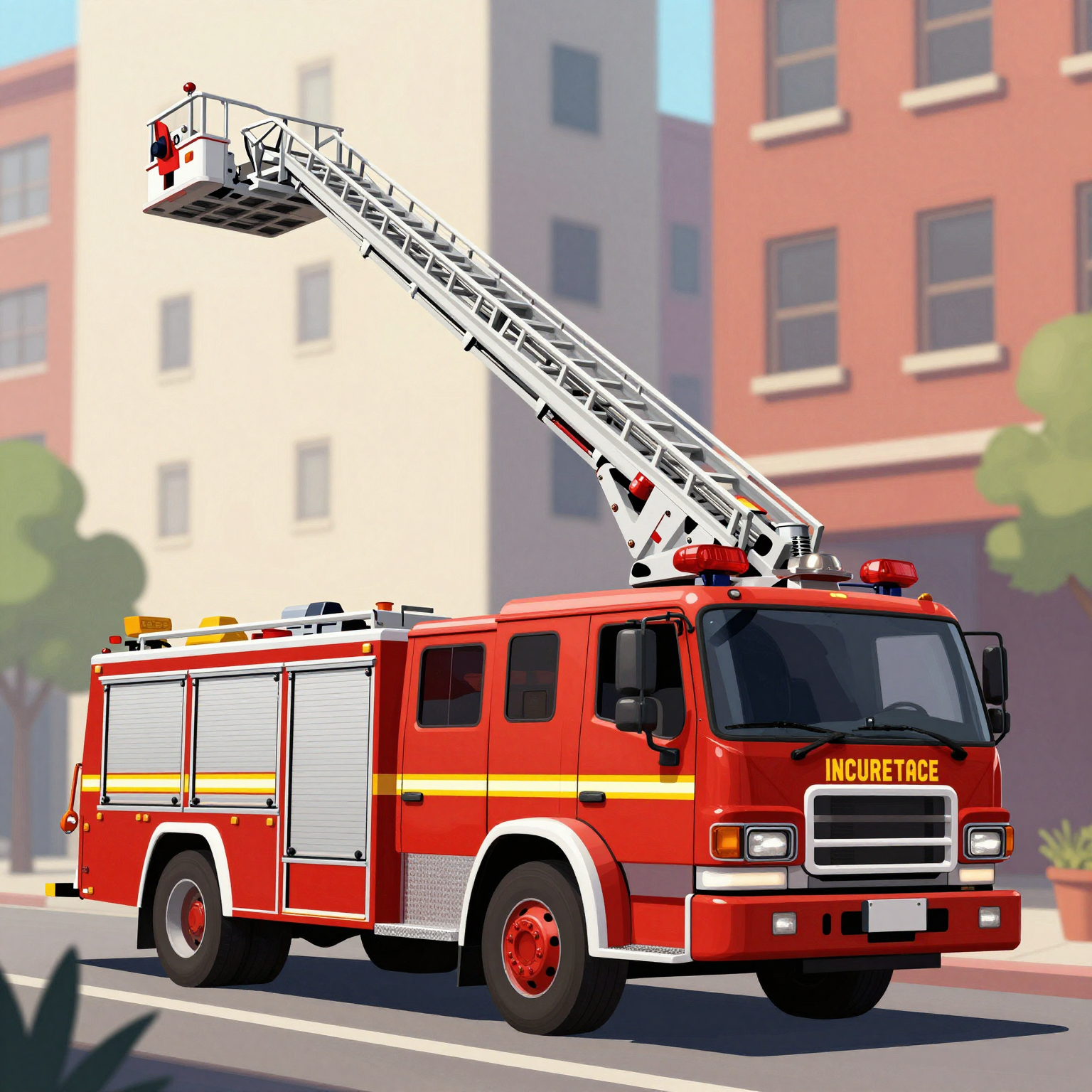
Importance of Insuring Fire Apparatus
To emphasize the significance of insuring fire apparatus, industry experts often highlight the financial and operational implications of adequate coverage. Dr. Elena Martinez, an insurance specialist, remarks:
“Modern fire apparatus are complex, high-value systems-some costing over $1 million. Without insurance, a collision, mechanical failure, or even vandalism could force a department into years of budgetary strain. More importantly, it ensures that crews aren’t left stranded during critical response periods. Insurance is the backbone of operational readiness and long-term sustainability.”
This insight underlines the necessity of comprehensive insurance policies to safeguard not only the equipment but also the efficiency and effectiveness of emergency responses. For those wanting to understand more about how fire truck ladders extend their capability, learn more here.
Conclusion and Call-to-Action
In today’s fast-paced and ever-evolving world, safeguarding your ladder fire truck with comprehensive insurance is not just advisable-it’s essential. As a business owner, you understand the importance of protecting your valuable assets, particularly those that play a critical role in public safety.
When it comes to insuring a ladder fire truck, several key considerations emerge:
- Liability Coverage: Ensure that you meet state-required liability policies as a foundation for your coverage. This protects against third-party injuries or damages.
- Comprehensive Coverage: Beyond basic liability, comprehensive insurance that covers vehicle damage, equipment loss, and natural disasters is vital to protecting your investment. Companies like The Hartford emphasize this as a necessary step.
- Specialized Equipment Coverage: With high-value components like aerial ladders and firefighting tools, obtaining equipment floater insurance can provide the specific protection your truck needs.
- Claims Process: Working with an insurer that understands the unique demands of emergency vehicles can mean faster, more efficient claims processing, an aspect highlighted by State Farm’s Business Insurance.
Don’t leave the safety of your fire truck and your business to chance. As you evaluate your insurance options, let the experts at Zoomlion assist you in navigating through the complexities of ladder fire truck insurance.
Don’t wait – contact us today to discuss your insurance needs, protect your assets, and ensure your operations can continue unhindered. With the right coverage, you can rest easy knowing that your fire truck is safeguarded and your community is supported by reliable services.