

















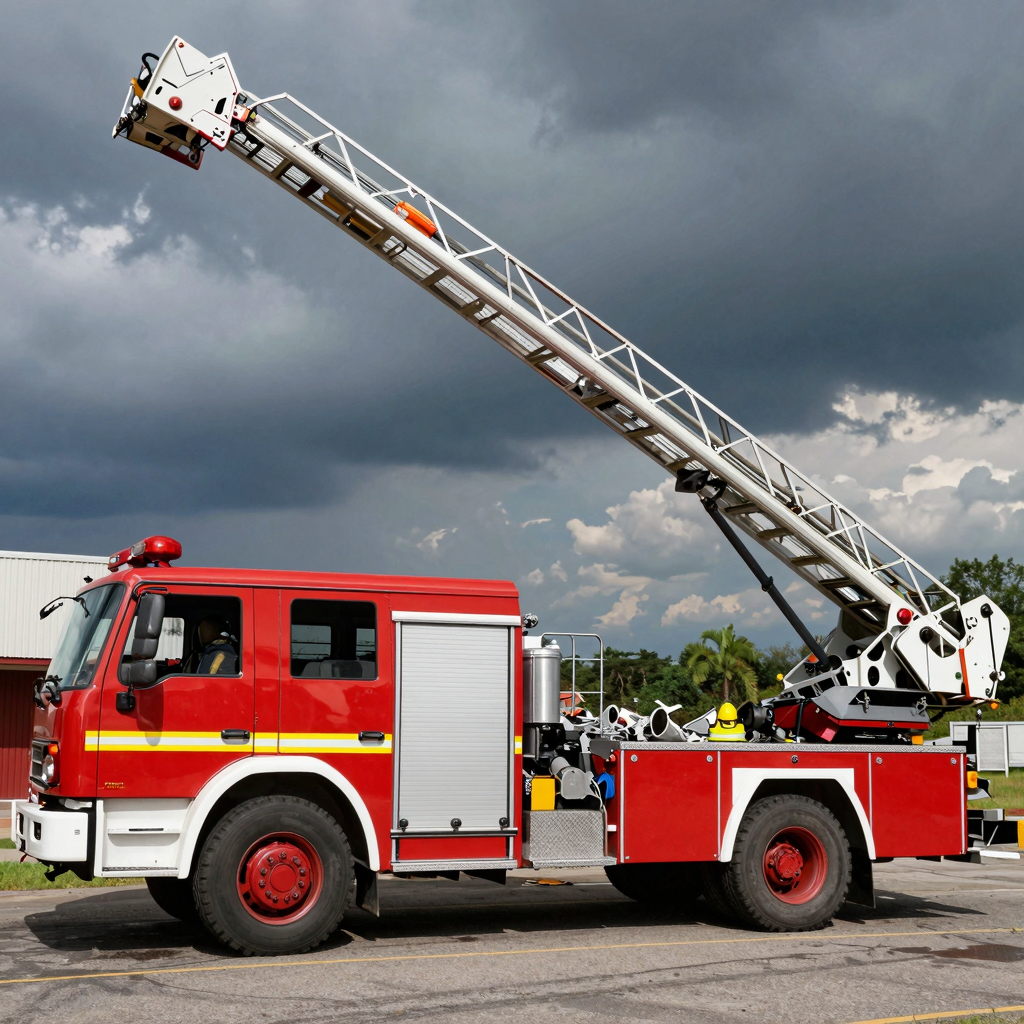
Introduction to Wrecked Fire Truck Ladders
Fire truck ladders play a crucial role in firefighting, serving as vital tools that enable firefighters to reach elevated areas during emergencies. These pieces of equipment not only enhance the capabilities of fire departments but also symbolize the commitment to safety that underlies every firefight. When a fire truck ladder is wrecked, the implications extend beyond the mere loss of an asset; it represents a significant risk not just to property, but to the lives that firefighters strive to save.
Firefighters often face dire situations where every second counts, and the reliability of their equipment can be the difference between life and death. A study on firefighting vehicles indicates that vehicle reliability is directly linked to the safety and effectiveness of firefighting operations, affirming that compromised equipment can increase response times and lead to hazardous conditions during emergencies. Thus, a wrecked ladder can impede necessary rescue efforts, leading to increased vulnerability for both firefighters and civilians alike.
Addressing such critical safety needs, ซูมไลอ้อน is at the forefront of providing high-tech firefighting equipment designed to withstand extreme conditions and ensure reliability. The company is dedicated to delivering innovative solutions that support the courageous firefighters who hold the line against flames. In doing so, Zoomlion not only contributes to operational efficiency but also honors the profound sacrifices that these brave individuals make every day. To learn more about fire truck ladder features, visit our detailed guide.
In moments of crisis, the fear of reliance on potentially compromised equipment can loom large. It is imperative for business owners and emergency services to understand the value of investing in dependable fire truck ladders and ensuring that their firefighting equipment is always in top condition. Together, we can uphold the spirit of resilience that defines the firefighting community.
Common Causes of Fire Truck Ladder Wreckage
Wreckage of fire truck ladders is a significant concern for firefighting operations, impacting both safety and efficiency. Here are some of the most common causes that lead to ladder wreckage:
- Improper Deployment: Failure to follow proper procedures for deploying the aerial apparatus can lead to accidents. This includes incorrect positioning and extension of the ladder during emergencies.
- Overloading: Exceeding the weight capacity of the fire truck ladder can result in structural failure. Firefighters must adhere to the guidelines to avoid overloading.
- Operator Error: Mistakes made by operators during ladder extension, rotation, or positioning can lead to accidents. A lack of training or situational awareness exacerbates this issue.
- Unstable Ground Conditions: Operating the ladder on soft, uneven, or slippery terrain increases the likelihood of accidents. Fire departments should assess the ground conditions before deploying the ladder.
- Inadequate Maintenance: Regular maintenance is crucial to ensure the ladder is in good working condition. Mechanical failures due to neglected maintenance can lead to accidents.
- Distractions: Lack of focus or communication among crew members can cause errors during operations.
- Environmental Factors: High wind conditions or icy roads can significantly impact ladder stability, leading to tips or collisions.
- Mechanical Failures: Issues such as hydraulic malfunctions, broken cables, or worn joints can contribute to accidents during operations.
Understanding these factors is essential for fire departments and business owners to improve safety protocols and maintain fire truck ladders effectively. For more detailed insights into ladder operations, learn more about fire truck ladder safety และ why investing in the tallest fire aerial trucks is crucial.
Comparison of Fire Truck Ladder Models
When considering fire truck ladders, business owners need to be aware of the different specifications and features available. The following table highlights various fire truck ladder models, including details such as height, weight, material, and specific features.
| Model | Height | Weight | Material | คุณสมบัติ |
|---|---|---|---|---|
| 4X2 32meters Aerial Ladder Truck | 32 m | 4495 kg | Aluminium | 6×4 drive, diesel engine, customizable service, 1-year warranty |
| Sinotruk HOWO 6X4 Aerial Ladder Truck | 34 m | 9000 kg | สเตลล์ | เครื่องยนต์ 400 แรงม้า, การขึ้นลงอากาศ, ประกัน 3 ถึง 12 เดือน |
| รุ่นรถดับเพลิงตู้หล่อม | สามารถปรับเปลี่ยนได้ | Varies | สเตลล์ | โครงสร้างหลายคอลัมน์, ติดบนผนัง หรือติดตั้งภายนอก |
| รถดับเพลิงขนาดเล็กด้วยตู้หล่อม | 20 เมตร | 3500 กิโลกรัม | สินค้าผสม | ระบบขับเคลื่อน 6x4,ถังน้ำ <5000L,เครื่องยนต์ไฟฟ้า,ประกัน 2 ปี |
การเปรียบเทียบนี้ช่วยเจ้าของธุรกิจประเมินตัวเลือกตู้หล่อมรถดับเพลิงที่เหมาะสมต่อความต้องการของตนและให้ความปลอดภัยและประสิทธิภาพในการดับเพลิงและกู้ภัย. รู้มากขึ้นเกี่ยวกับอุปกรณ์ความปลอดภัยไฟ หรือตรวจสอบ รุ่นตู้หล่อมรถดับเพลิงของจีน.
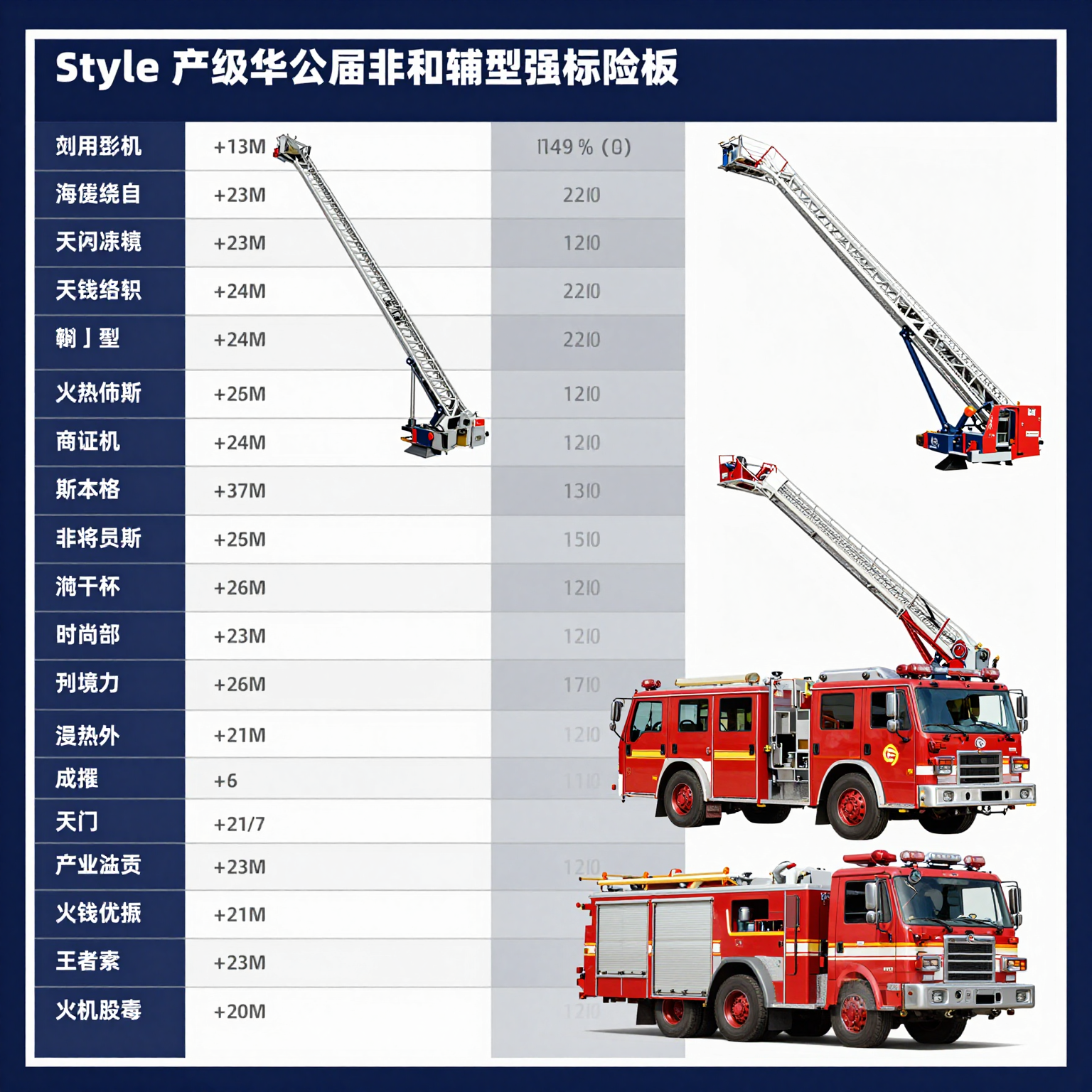
ประเมินความเสียหายต่อตู้หล่อมรถดับเพลิง
When a fire truck ladder has been involved in an accident, it is crucial to assess the damage to ensure safe operation in the future. Here is a comprehensive guide on how to effectively inspect and diagnose issues with a wrecked fire truck ladder.
Steps for Assessment:
Visual Inspection: Begin with a thorough visual inspection of the ladder. Look for bent or cracked boom arms, which are common signs of structural damage post-accident. Pay particular attention to the ladder’s joints and attach points, as these areas are prone to stress fractures.
Check for Corrosion: Fire ladders are often exposed to harsh environmental conditions, making corrosion a frequent problem. Inspect metal components, especially at hydraulic connections, for signs of rust or degradation. These weaknesses can severely compromise structural integrity.
Hardware Examination: Analyze all bolts, pulleys, and traction surfaces. Ensure that bolts are secure and none are missing. Worn-out pulleys or damaged rungs can lead to unsafe operations. Replace or repair any defective components immediately.
Hydraulic System Check: Inspect the hydraulic systems for leaks. Hydraulic failures can lead to significant operational risks, such as losing lift control or causing unexpected movements during use.
Electrical System Evaluation: A malfunctioning electrical system can render a ladder inoperable. Check wiring, sensors, and control panels for functionality. Look for any faulty sensors that could affect ladder performance during emergencies.
Conduct Load-Bearing Tests: If any structural or mechanical defects are suspected, perform load-bearing tests to gauge performance under stress. This will help identify internal issues that may not be visible externally.
Use Non-Destructive Testing (NDT): For a more in-depth inspection, utilize NDT methods such as ultrasonic testing to visualize internal damages not detectable through visual checks alone.
Common Issues to Look Out For:
- Structural Integrity Problems: Look for cracks, bends, and weakness in materials that may compromise safety during operation.
- Corrosion: Regular exposure to moisture and chemicals can lead to significant deterioration over time.
- Mechanical Failures: Problems such as stuck extension mechanisms or faulty locking systems can pose severe risks.
- Electrical Malfunctions: Inspect electrical systems closely as failures can render the ladder unsafe or unusable.
สรุป
Regular maintenance and systematic inspections are paramount to ensuring fire truck ladders remain operationally safe. Consider adopting a monthly inspection routine and engaging professionals for annual evaluations to reduce the risk of failures. For further insights into fire truck ladder technology and safety standards, learn more about ladder inspections, and ensure your equipment meets the necessary safety standards.
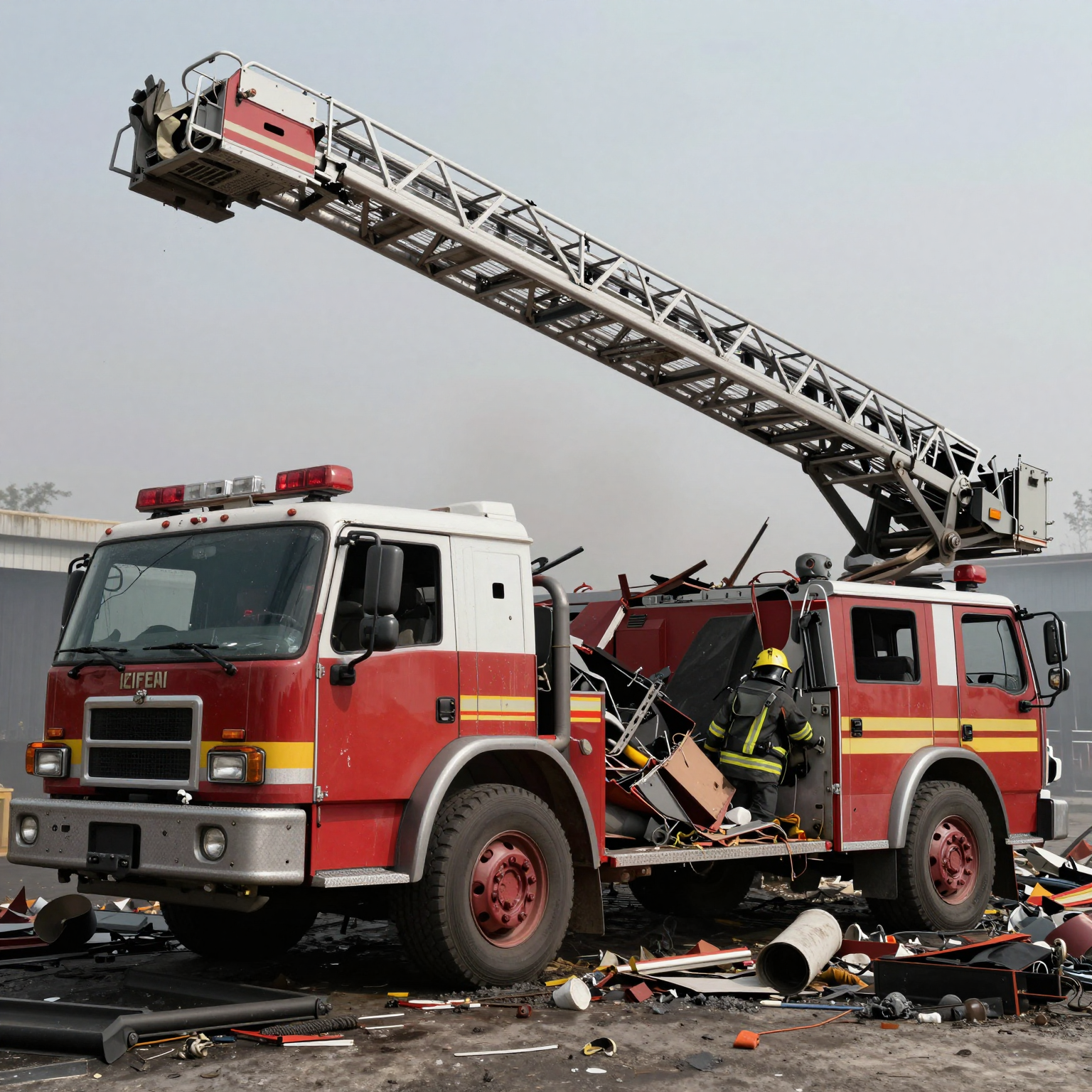
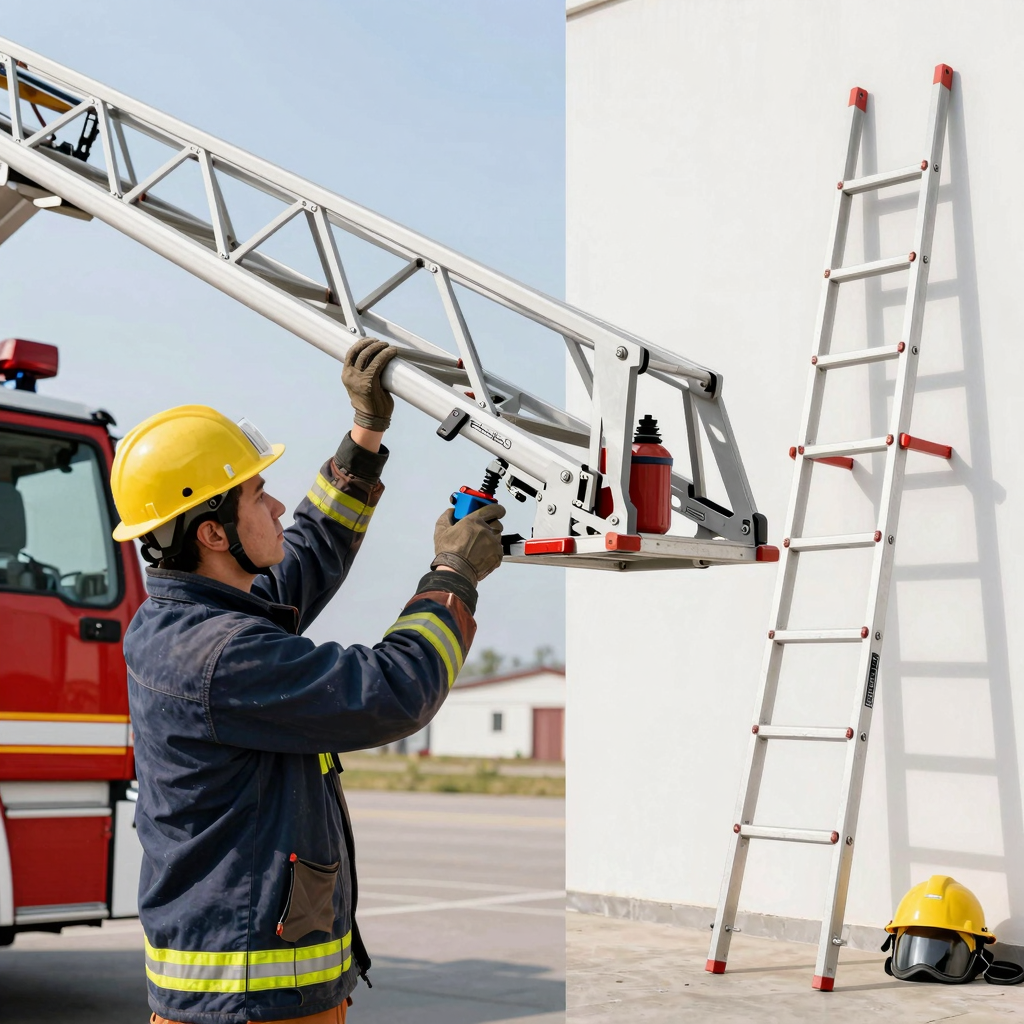
This image depicts a wrecked fire truck ladder, emphasizing the importance of fire truck safety and the challenges faced during firefighting operations. Its dramatic representation serves to inform business owners and stakeholders about the critical role of well-maintained firefighting equipment.
To learn more about fire truck ladder safety and maintenance, consider visiting ทรัพยากรนี้ or exploring the benefits of mini aerial fire trucks.
Repair Options for Damaged Fire Truck Ladders
When fire truck ladders sustain damage, timely and appropriate repair is essential to ensure safety and functionality. Business owners must consider different approaches, weighing the benefits and drawbacks of professional assessments versus DIY fixes.
Professional Repairs
Professional repair is the safest and most effective option for addressing ladder damage. This process typically involves:
- Assessment by Certified Technicians: Damages such as cracks and deformation are analyzed using non-destructive testing methods. Technicians follow NFPA regulations ให้มั่นใจว่าปฏิบัติตามกฎหมายและมีความปลอดภัย.
- การใช้ชิ้นส่วน OEM: การซ่อมแซมมักจะรวมถึงการแทนที่ชิ้นส่วนที่เสียหายด้วยชิ้นส่วนต้นแบบ (OEM) ในการรักษาความเสมอภาคและฟังก์ชันของเลื่อน.
- Regular Inspections: แนะนำให้ตรวจสอบและบำรุงรักษาเลื่อนอย่างปกติเพื่อช่วยตรวจพบปัญหาก่อนที่จะกลายเป็นอย่างรุนแรง การตรวจสอบควรเกิดขึ้นอย่างน้อยทุก ๆ 6 เดือน ตามข้อกำหนดของมาตรฐานอุตสาหกรรม.
ข้อดี:
- ความปลอดภัยและการปฏิบัติตามกฎหมายที่มั่นใจ: รวมถึงเทคนิคเชิญที่มีบัตรรับรอง ซึ่งให้การปฏิบัติตามกฎหมายด้านความปลอดภัย.
- ความน่าเชื่อถือนานถึง: การซ่อมแซมโดยอาชีพมักจะมีความดื้อดี ลดความเสี่ยงของปัญหาในอนาคต.
- บันทึก: การซ่อมแซมจะถูกบันทึก ทำให้เกิดบันทึกที่อาจเป็นสิ่งที่สำคัญสำหรับประกันชีวิตหรือเรื่องกฎหมาย.
ข้อลบ:
- Cost: บริการอาชีพอาจแพง ซึ่งอาจทำให้งบประมาณของหน่วยดับเพลิงหรือธุรกิจเล็กเสียดาย.
การซ่อมแบบตัวเอง
การซ่อมแบบตัวเองอาจดูดีด้วยราคาต่ำ แต่มักมีความเสี่ยงสำคัญ ตัวอย่างรวมถึงการแก้ไขชั่วคราวหรือการปรับปรุงที่ไม่ปฏิบัติตามมาตรฐานความปลอดภัย.
- Simple Fixes: Unofficial guides may suggest quick fixes that could risk safety. For instance, using strings to replace a broken component may compromise reliability and safety, especially during emergency operations.
- Lack of Expertise: Without proper training, DIY repairs can often exacerbate structural issues, leading to higher repair costs down the line.
ข้อดี:
- การประหยัดต้นทุน: DIY repairs can reduce immediate expenses, appealing for urgent budgetary situations.
- Flexibility: Some may feel empowered to attempt repairs, fostering an environment of hands-on problem-solving.
ข้อลบ:
- Increased Risks: DIY repairs can lead to severe safety hazards, potentially resulting in legal liabilities.
- Non-Compliance: Many DIY methods do not comply with safety standards, jeopardizing operational integrity during emergencies.
สรุป
Thus, while DIY repairs might appear to offer short-term solutions, they often lack the necessary compliance and safety standards required for fire truck ladders. On the other hand, professional repairs ensure long-term safety and reliability of fire truck ladders. For business owners, ensuring the ladder’s integrity is crucial, particularly as it relates to operational efficacy and safety standards.
Visual Summary
Comparison Chart
Here is a visual comparison of the pros and cons of each repair method:

For further information on fire truck ladders and maintenance standards, you can check this detailed guide on best practices.
Failure to recognize the importance of structural integrity can lead to disastrous outcomes when lives are at stake. Therefore, appropriate maintenance and care must be prioritized.
Recommended Actions:
- Schedule professional inspections regularly.
- Carefully assess any DIY repair approaches to ensure they meet safety standards.
- Maintain thorough documentation of all repairs and assessments.
Recommended Maintenance Frequency for Fire Truck Ladders
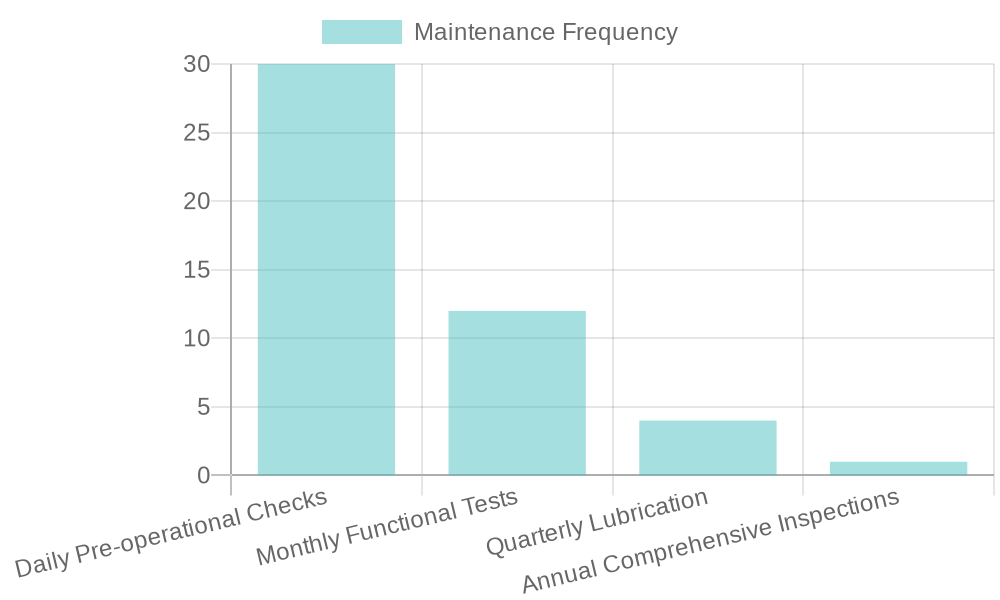
Regular maintenance of fire truck ladders is crucial for ensuring safety and reliability. The chart below highlights the recommended maintenance frequency for different types of checks required to keep fire truck ladders in optimal condition.
| Maintenance Type | Frequency | Key Checks / Actions |
|---|---|---|
| Daily Pre-operational Checks | Daily | Visual inspection for damage, cracks, or corrosion; verify ladder stability and locking mechanisms; check for loose or missing hardware; confirm proper operation of extension/retraction systems; inspect safety features (handrails, toeboards). |
| Monthly Functional Tests | Monthly | Test all operational functions under load (if safe and permitted); verify smooth extension and retraction; check hydraulic/pneumatic systems for leaks or sluggishness; test emergency stop functions; assess overall responsiveness and control accuracy. |
| Quarterly Lubrication | Every 3 months | Lubricate all pivot points, hinges, rollers, and track systems with manufacturer-recommended lubricant; clean joints before applying grease to remove dirt and debris; inspect for wear on moving parts. |
| Annual Comprehensive Inspections | Once per year | Full disassembly and inspection of critical components (e.g., structural members, hoist cables, winch systems); perform non-destructive testing (NDT) on high-stress areas; replace worn or damaged parts; recalibrate controls and safety systems; document all findings and repairs. |
Importance of Regular Maintenance
Consistent adherence to this maintenance schedule is critical to ensure the fire truck ladder remains safe, reliable, and fully functional during emergency operations. Neglecting maintenance can lead to catastrophic failures, jeopardizing firefighter safety and compromising rescue missions. Regular checks prevent minor issues from escalating into major problems, extend equipment lifespan, and ensure compliance with NFPA standards and departmental safety protocols.
For more detailed guidelines, you can check resources from the National Fire Protection Association และ นิตยสารวิศวกรรมไฟ.
Importance of Fire Truck Maintenance
Maintaining fire truck equipment is crucial not only for the longevity of the vehicles but also for the safety of firefighters and the communities they serve. According to a 2024 update from the National Fire Protection Association (NFPA), fire trucks that are not maintained according to standards are 3.5 times more likely to fail during emergency responses.
Here’s a blockquote from Veasna Kim, a senior fire safety officer, highlighting the necessity of regular maintenance:
“Proactive service planning is key to keeping equipment reliable when demand is highest. Regular maintenance isn’t just about compliance-it’s about protecting lives.”
This emphasizes the role of routine inspections in preventing failures that could endanger firefighters and delay life-saving operations. For business owners considering investments in fire safety equipment, understanding these maintenance requirements is pivotal.
For further insight into the importance of fire truck maintenance, visit our section on why every business needs a fire truck ladder.
Conclusion: The Importance of Maintaining Fire Truck Ladders
Maintaining the integrity and functionality of fire truck ladders is paramount for ensuring the safety of firefighters and the public during emergency operations. As discussed, wrecked or poorly maintained fire truck ladders pose significant risks, including the potential for catastrophic mechanical failures that can lead to injuries or fatalities during firefighting or rescue missions. According to various studies, over 30% of ladder-related injuries stem from preventable mechanical issues, highlighting the critical need for regular inspections and maintenance practices.
The implications of neglecting ladder maintenance extend beyond personal safety; they can affect the overall effectiveness of emergency response operations. As detailed in the resources from the National Fire Protection Association, strict adherence to maintenance protocols is essential for compliance and operational integrity. Regular checks not only improve safety but also enhance the operational readiness of fire departments, thus ensuring timely responses to emergencies.
Partnering with a reliable equipment supplier like ซูมไลอ้อน can further bolster the safety and efficiency of fire truck ladder operations. Their commitment to providing high-quality, well-maintained equipment ensures that your fire service can perform at its best in critical situations. Investing in quality equipment and prioritizing maintenance can significantly reduce risks and improve operational outcomes, making it an essential consideration for any business involved in fire safety.
Improve Fire Truck Ladder Safety with Zoomlion
As a business owner, ensuring the safety of your fire truck operations is critical. Fire incidents demand resilience, and having the right equipment is paramount. At Zoomlion, we specialize in providing top-notch fire truck ladders designed for operational excellence, safety, and reliability. Our advanced fire truck ladder systems are not only engineered for durability but are also equipped with the latest safety features to enhance your operational efficiency.
Whether you’re looking for new fire truck ladder systems or contemplating upgrades, we invite you to reach out to us for a consultation. Our expert team is ready to assist with tailored recommendations based on your specific needs and conditions. Contact us today for quotes, detailed information, or ongoing support. Together, we can elevate your fire safety operations to new heights.
Explore our comprehensive range of fire truck ladder solutions and learn more about our offerings to maximize the safety and efficacy of your fleet. Don’t wait until it’s too late; secure your fire and emergency response capabilities now!