


















Introduction to Ladder Fire Trucks: Balancing Weight with Safety and Performance
In the world of fire safety, few innovations are as vital as the ladder fire truck. These essential vehicles not only play a crucial role in firefighting but also in saving lives and protecting properties, especially for business owners who face unique challenges in fire safety management. The weight of ladder fire truck is a critical consideration that impacts its performance, maneuverability, and overall effectiveness during emergency situations.
As business owners, the emotional weight of knowing that lives are at stake during a fire cannot be overstated. The ability of fire crews to access elevated areas quickly and safely can mean the difference between a successful rescue and devastating loss. However, this urgency is tempered by the reality that heavier trucks can bring about complications; they may struggle with navigating narrow streets or unstable ground, potentially delaying life-saving interventions.
Moreover, the engineering of a ladder truck must carefully balance its weight against the need for robustness and reliability. A fire truck that is too heavy may reduce maneuverability, while one that is too light may compromise on safety features. It’s a delicate balance that carries immense implications for the safety of firefighters and the communities they protect.
By understanding the importance of the weight of ladder fire truck, business owners can make informed decisions about fire safety equipment that ensures both effective response times and the well-being of their properties. Learn more about how ladder fire trucks save lives and consider the importance of investing in reliable fire safety equipment for your business.
Factors Influencing Ladder Fire Truck Weight
The effective operation of ladder fire trucks is heavily influenced by their weight, which can vary based on several critical factors. Understanding these factors is essential for business owners in the firefighting and emergency response sectors, as they can impact performance, maneuverability, and cost. Here are the key elements affecting ladder fire truck weight:
Materials Used: The choice of materials significantly affects the truck’s overall weight.
Common materials include steel, which offers strength but adds weight; aluminum, which is lighter but may not provide the same structural integrity; and composite materials like fiberglass that can balance both properties.
High-strength aluminum alloys are also popular, combining reduced weight with increased durability. For a detailed look at specifications and types of fire truck materials, visit Industrial Fire Truck Specifications.
Size: The overall dimensions of a ladder truck play a vital role.
Longer ladders and larger equipment significantly increase the truck’s mass. For instance, a ladder truck designed for urban environments may have a shorter, more compact design compared to those intended for rural firefighting.
Size considerations also include the weight distribution and center of gravity, which can affect handling during response operations.
Additional Equipment: Extra features and tools can substantially increase weight.
This may encompass water tanks, fire suppression systems, hydraulic tools, and storage compartments for firefighting gear. Each piece of equipment, while essential for fire response, contributes to the overall heft of the vehicle.
For a closer look at the importance of proper equipment in ladder trucks, explore the China Fire Truck Ladder Truck for Sale.
Understanding these factors is crucial for selecting the right ladder fire truck that meets your business needs while ensuring optimal performance and safety during emergencies. For a visual representation, see below:
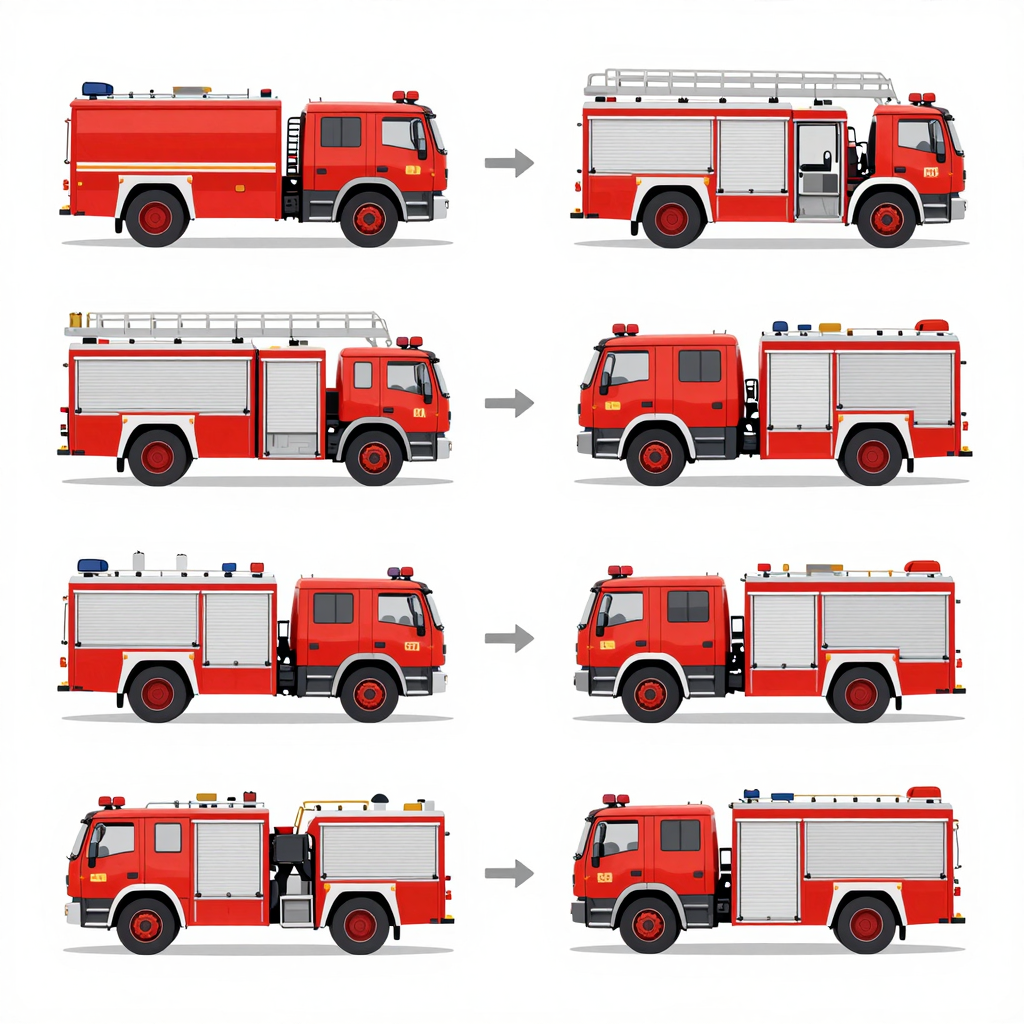
Each of these elements must be carefully considered during the procurement process.
Comparison of Ladder Fire Truck Weights
This table provides an informative comparison of the weights and specifications of different models of ladder fire trucks from various manufacturers.
| Model | Manufacturer | Max Working Height (m) | น้ำหนักทั้งหมด (ต) | ความจุของแผง (กก.) | อัตราการไหลน้ำสูงสุด (ล/นาที) | Notes |
|---|---|---|---|---|---|---|
| บรอนโต เอฟ101 ฮอลา | Bronto (ฟินแลนด์) | 101 | 62 | 400 | 3800 | รู้จักในชื่อ “Qingtian 101” ในประเทศจีน; รวบรวมเต็มที่ในฟินแลนด์; ส่งมอบมายังประเทศจีนเป็นครั้งแรกในปี 2013. |
| ซีแอลซี50เอสเอล | Chongqing Longzhong (ประเทศจีน) | 50 | ~30 | 300 | 1800 | ถูกใช้งานโดยทั่วไปในบริการดับเพลิงในเมือง; แผงขนาดกลางสำหรับอาคารสูงหลายชั้น. |
| ซีแอลซี60เอสเอล | Chongqing Longzhong (ประเทศจีน) | 60 | ~38 | 300 | 2000 | มีขนาดใหญ่ขึ้นเล็กน้อยกว่า CLZ50SL; เหมาะสำหรับการปฏิบัติงานดับเพลิงในเมืองส่วนใหญ่. |
| Typical Ladder Truck | หลากหลาย | 30-70 | 15-40 | 200-400 | 1000-3000 | แตกต่างตามภูมิภาคและการใช้งาน; โมเดลมาตรฐานที่ใช้งานแพร่หลายทั่วโลก. |
การแสดงสไตล์ของรายละเอียด
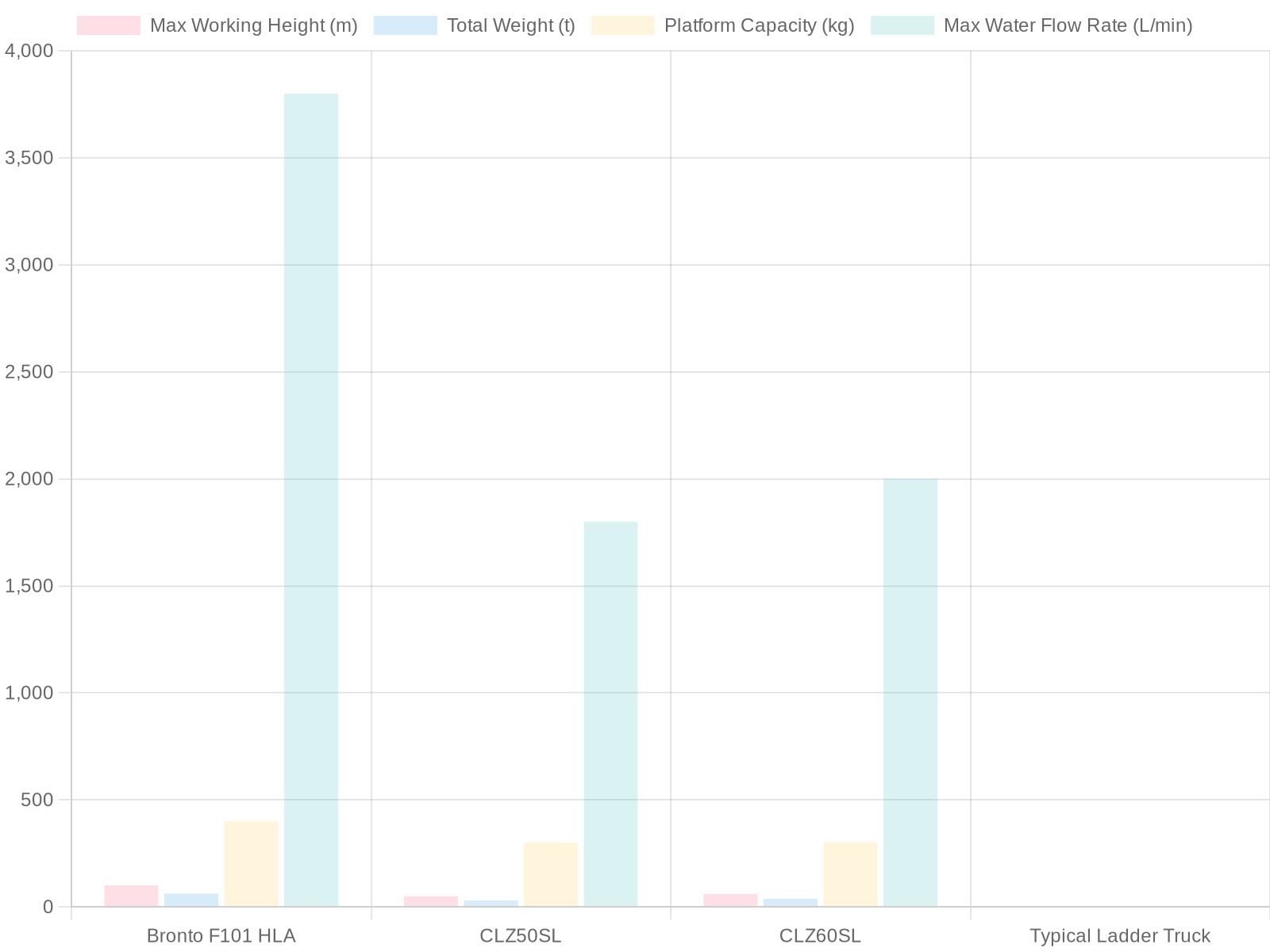
กราฟนี้แสดงการเปรียบเทียบรายละเอียดของรถดับเพลิงด้วยตามที่เห็นได้ชัดเจน ทำให้เข้าใจได้ว่าโมเดลต่าง ๆ มีความสัมพันธ์กันอย่างไรและวัตถุประสงค์ในการใช้งานของมัน.
1. น้ำหนักเฉลี่ยของรถดับเพลิงตั้งสาย
2. รถดับเพลิงตั้งสายมีบทบาทสำคัญในการดับเพลิง ออกแบบมาเพื่อขึ้นพื้นที่สูงและให้การสนับสนุนระหว่างเหตุฉุกเฉิน การเข้าใจน้ำหนักเฉลี่ยของรถยนต์เหล่านี้เป็นสิ่งสำคัญสำหรับเจ้าของธุรกิจ โดยเฉพาะเมื่อกำลังพิจารณาความปลอดภัย ความเร็วในการเคลื่อนไหว และประสิทธิภาพทั้งหมดในสภาพแวดล้อมเมือง.
3. ช่วงน้ำหนักโดยทั่วไป
4. โดยเฉลี่ย รถดับเพลิงตั้งสายมีน้ำหนักระหว่าง 5. 12 ถึง 25 ตัน. 6. . นี่เป็นตัวอย่างเฉพาะที่มาจากข้อมูลล่าสุด:
- การ 7. รถดับเพลิงตั้งสายที่มีความยาว 32 เมตร 4X2 8. มีน้ำหนักทั้งหมดประมาณ 9. 4.5 ตัน 10. (4,495 กิโลกรัม) (แหล่งที่มา).
- 11. หน่วยที่ใหญ่กว่า เช่น รถ Sitrak YT42 12. , โดยทั่วไปจะอยู่ในช่วง, 13. 15 ถึง 25 ตัน 14. , ขึ้นอยู่กับการตั้งค่าและความสามารถ (, ขึ้นอยู่กับการตั้งค่าและความสามารถ (แหล่งที่มา).
- 1. บางรุ่นที่มีฐานของ HOWO 2. HOWO chassis 3. อาจมีน้ำหนักระหว่าง 4. 12 ถึง 18 ตัน 5. ขึ้นอยู่กับความแตกต่างของอุปกรณ์ (แหล่งที่มา).
6. ผลกระทบต่อประสิทธิภาพและความเร็วในการเคลื่อนที่
7. น้ำหนักของรถดับเพลิงมีผลกระทบต่อการปฏิบัติงานของรถอย่างมาก A การศึกษาที่เผยแพร่ใน ResearchGate 8. ชี้ว่าน้ำหนักที่เพิ่มขึ้นอาจนำไปสู่:
- 9. ความเร็วในการเคลื่อนที่ลดลงและระยะทางหยุดยาวขึ้น.
- 10. ความยากลำบากในการเดินทางผ่านถนนในเมืองที่แคบและพื้นที่ที่ไม่เหมาะสม (11. อ่านเพิ่มเติมตรงนี้).
12. นอกจากนี้ น้ำหนักเกินเหตุอาจทำลายความสามารถในการหยุดยาวของรถดับเพลิง 13. , ทำให้เกิดความกังวลเกี่ยวกับการควบคุมระหว่างสถานการณ์ฉุกเฉิน (, 14. ). ดังนั้น การปรับปรุงน้ำหนักของรถดับเพลิงด้วยวัสดุขั้นสูงไม่เพียงแต่เพิ่มความเร็วในการเคลื่อนที่แต่ยังเพิ่มความสามารถบรรทุก ประสิทธิภาพในการใช้เชื้อเพลิง และความเสถียรที่จำเป็นสำหรับการดับเพลิงอย่างมีประสิทธิภาพ (แหล่งที่มา). Therefore, optimizing the truck’s weight with advanced materials not only enhances maneuverability but also increases the payload capacity, fuel efficiency, and stability necessary for effective firefighting (แหล่งที่มา).
สรุป
Choosing the right ladder fire truck is essential for any fire department or business owner involved in emergency response. Understanding the implications of weight on performance can aid in selecting the most suitable vehicle for both urban and rural environments.
Implications of Ladder Truck Weight on Performance
The weight of ladder fire trucks plays a crucial role in their overall performance, affecting maneuverability, speed, and their ability to reach great heights. Heavier ladder trucks, such as those weighing around 16,800 kg for models with a 65-meter reach, provide greater stability when elevated, making them ideal for high-rise environments. However, this stability comes with significant trade-offs. Heavier trucks may struggle in tight urban settings, as their size limits maneuverability and increases wear on the drivetrain, potentially leading to costly maintenance issues.
In terms of speed, ladder trucks are typically capped at about 100 km/h, but increased weight can exacerbate acceleration issues and limit responsiveness during emergency responses. For business owners, this translates to a need for balance: opting for heavier models may allow access to higher elevations (up to 65 meters) and accommodate heavier payloads (up to 4,365 kg), but such trucks also require robust infrastructures (such as larger turning radii and specialized training for operators).
Conversely, lighter ladder trucks (around 4,495 kg for 32-meter models) provide superior agility and fuel efficiency, enabling quicker deployments in residential or congested areas. This efficiency can significantly reduce operational costs, making them an attractive option for businesses that often respond to emergencies in tighter spaces.
For business owners, understanding these implications is vital. Investing in heavier models may expand service capabilities to high-rise buildings, offering a competitive edge in urban emergency services, while lighter trucks can optimize day-to-day operational efficiency. Furthermore, each choice impacts training requirements, maintenance budgets, and overall strategy in emergency response operations. If you’re a business owner considering a ladder truck for your fleet, learn more about ladder fire trucks to make an informed decision.
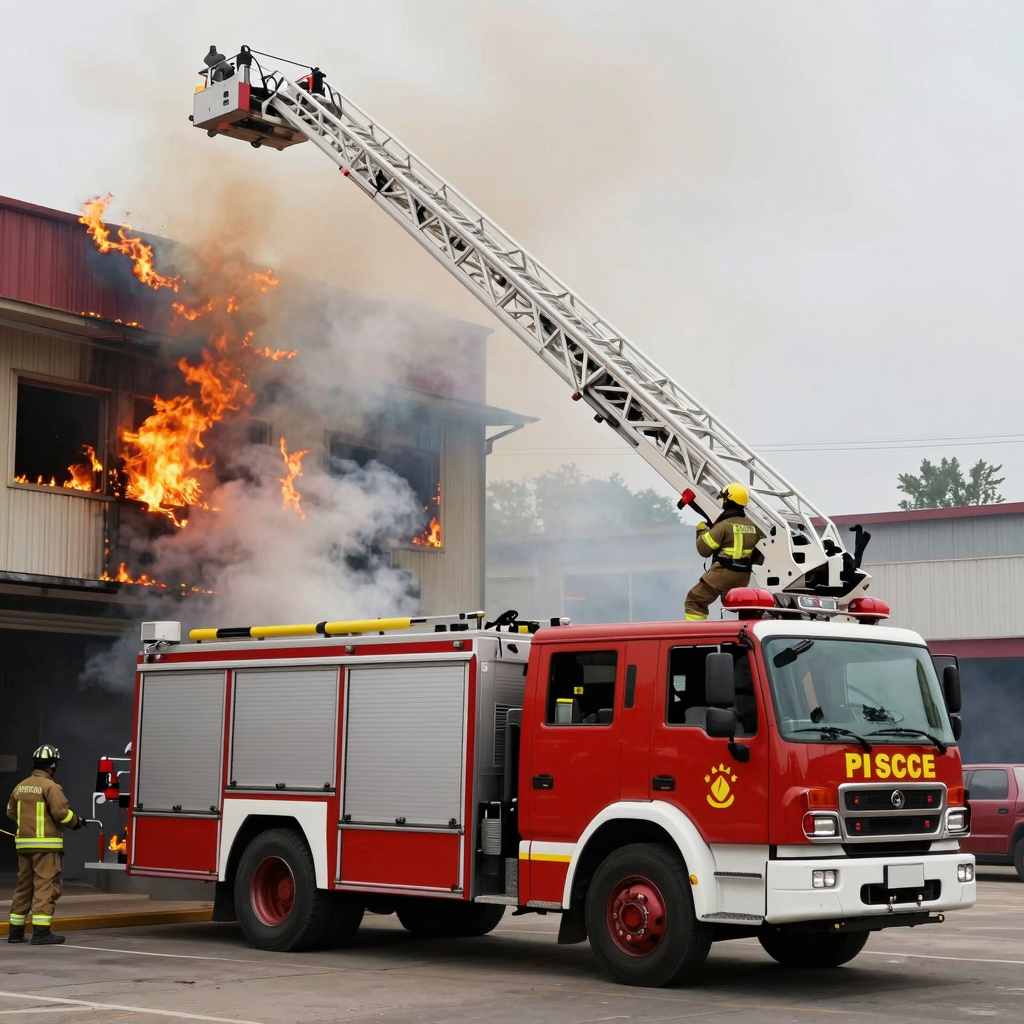
The Importance of Ladder Truck Weight
As fire departments face various challenges in responding to emergencies, understanding the weight of ladder fire trucks plays a critical role in their operational effectiveness. A notable quote from a fire chief highlights this concern:
“Every pound counts-lighter trucks mean faster deployment and safer rescues.”
- Fire Chief (source: FirefighterRunClub, TikTok)
This quote emphasizes that the weight of a ladder truck impacts not only response times but also the overall safety of rescue operations. Lighter vehicles can maneuver better, reach locations more swiftly, and help firefighters execute their duties efficiently in critical situations.
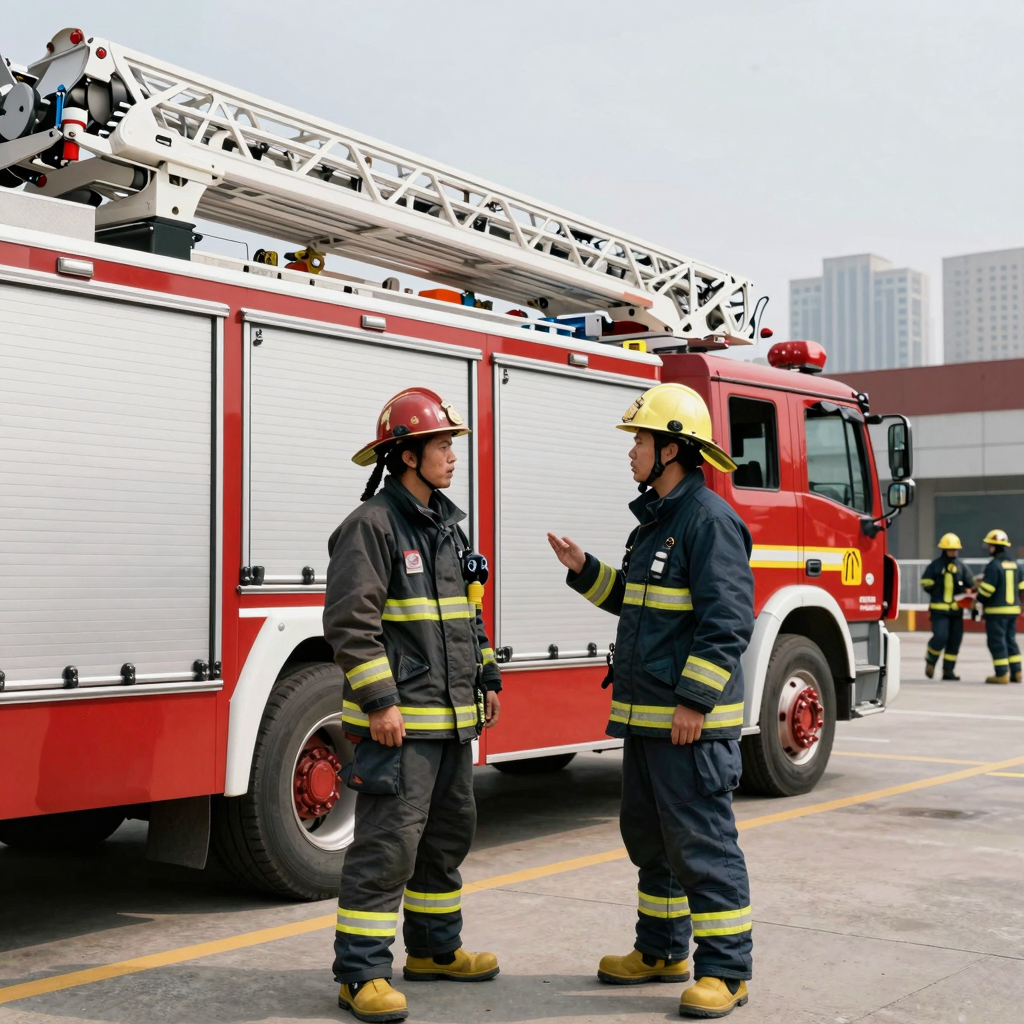
For more insights on how fire trucks perform under various environmental conditions, learn more about the specifications of ladder fire trucks.
Future Trends in Ladder Fire Truck Design
As innovations in fire truck technology continue to evolve, the design of ladder fire trucks is becoming increasingly sophisticated. Business owners in the fire safety and emergency response sectors should be aware of these trends as they significantly impact vehicle weight and operational efficiency.
Advancements in Materials and Technology
Recent advancements in materials have led to the emergence of lightweight composites, such as carbon fiber-reinforced polymers and high-strength aluminum alloys. These materials decrease the overall weight of fire trucks, allowing for better fuel efficiency and enhancing maneuverability in tight spaces. Moreover, structural optimizations using stainless steel (SS304) frames reflect a trend where engineers leverage CAD-FEA (Computer-Aided Design and Finite Element Analysis) to find a balance between strength and weight reduction.
By reducing overall vehicle mass, manufacturers are not only enhancing performance metrics-such as payload capacity and fuel efficiency-but also contributing to lower road wear and extended lifespan of the vehicles. This evolution in material technology reflects a broader movement towards sustainable practices in the fire service industry.
Benefits for Businesses
The transition toward electric and hybrid powertrains represents another critical advancement. With the goal of reducing emissions and operational costs, electric fire trucks are positioned to become a staple in modern fire departments. Businesses investing in these technologies are likely to enjoy lower fuel expenses and appealing operational efficiencies, particularly in urban settings where emissions regulations are stricter.
Enhanced Safety Features
Alongside weight reduction, safety enhancements through integrated digital technologies are becoming standard. The use of IoT sensors for real-time diagnostics ensures operational readiness and informs maintenance schedules, leading to a decrease in unexpected repairs and boosting the safety of both firefighters and civilians during emergencies.
In conclusion, recognizing these future trends can enable business owners to invest wisely in equipment that not only meets current operational demands but is also capable of adapting to future firefighting challenges.
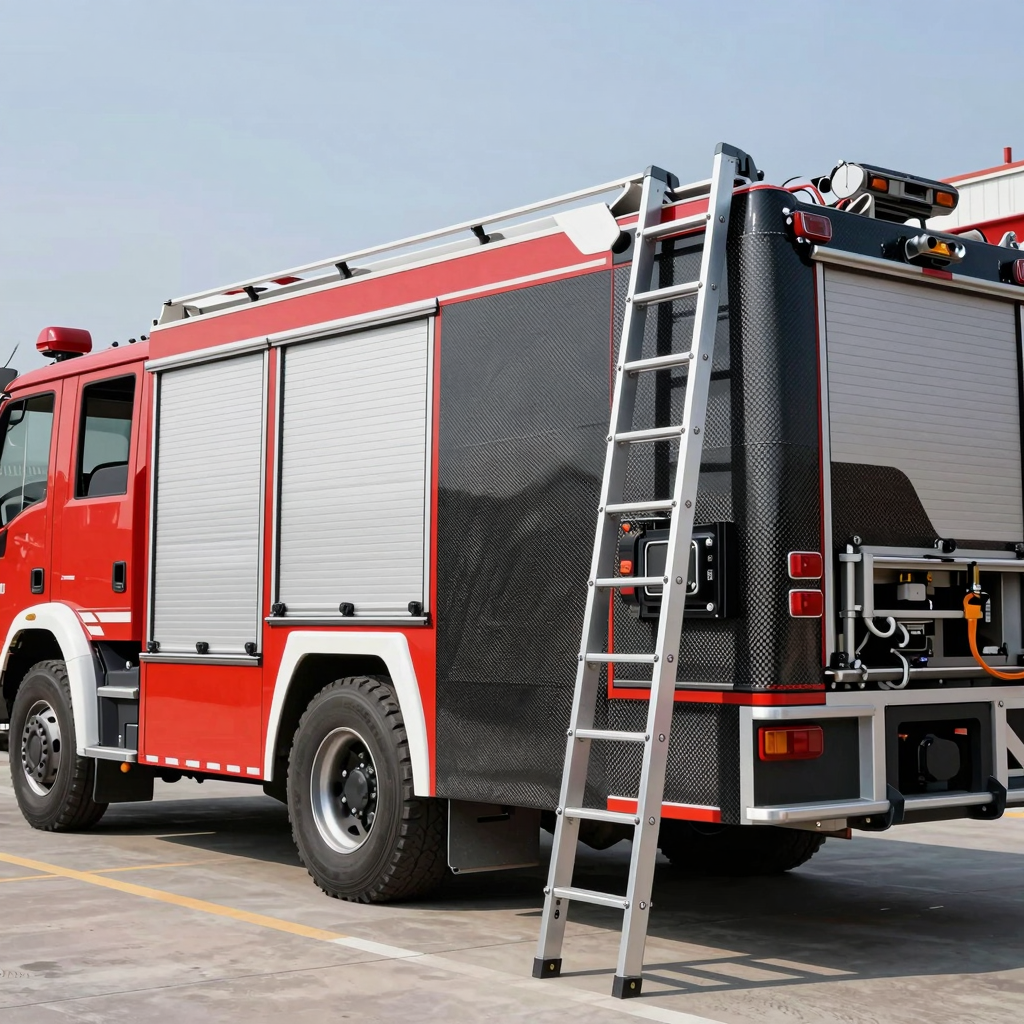
Image of a modern ladder fire truck design showcasing lightweight materials.
For further insights into ladder fire truck models, consider checking this resource on various fire trucks.
When selecting a ladder fire truck for a business, several key factors and considerations should be taken into account:
ความจุน้ำหนัก: Assess the weight capacity of the ladder fire truck to ensure it can handle the demands of your business. Heavier models may have better stability but can be costlier in fuel and maintenance.
Cost: Ladder fire trucks typically range between $250,000 to $400,000, depending on specifications and features. Advanced models with enhanced capabilities can exceed $500,000. It’s crucial to budget for both the purchase and ongoing maintenance costs, which can average between $3,750 to $8,000 annually (National Fire Protection Association).
Maintenance Requirements: Regular maintenance is essential for the longevity of ladder trucks. Business owners should consider the accessibility of services, maintenance schedules, and potential replacement parts costs to avoid unforeseen expenses.
คุณสมบัติด้านความปลอดภัย: Look for advanced safety features such as stabilized outriggers, automatic braking systems, and robust safety belts for firefighters. Safety should be a primary consideration, as it directly impacts the well-being of employees and the community during emergencies.
Operational Compatibility: Consider how well the ladder fire truck will fit with your existing emergency response protocols and infrastructure. Training for staff on the operation and maintenance of the vehicle is also essential.
By taking these factors into account, business owners can ensure they choose the right ladder fire truck to meet their specific needs.
Conclusion and Call to Action
Understanding the weight of ladder fire trucks is not just a technical detail; it is a critical aspect that ensures operational safety, efficiency, and effectiveness during emergencies. The weight influences stability, maneuverability, and even fuel consumption-all factors that can significantly affect a fire department’s performance in high-stakes situations. Proper weight management helps prevent catastrophic failures and ensures that fire trucks comply with safety regulations, thus safeguarding both personnel and equipment longevity.
For business owners, investing in or having access to a ladder fire truck can provide essential advantages. These vehicles are crucial for minimizing response times in high-rise emergencies, effectively controlling fires, and conducting rescues. Furthermore, they enhance business continuity by reducing property damage and supporting non-emergency tasks, such as maintenance and inspections.
Given the importance of these vehicles, businesses should proactively seek support and guidance. If you are looking to enhance your operational readiness and ensure the safety of your personnel and assets, we encourage you to reach out to ซูมไลอ้อน for a quote or more information. Our experts can assist you in selecting the right equipment tailored to your business needs. Let us help you make a wise investment in safety and efficiency today.