

















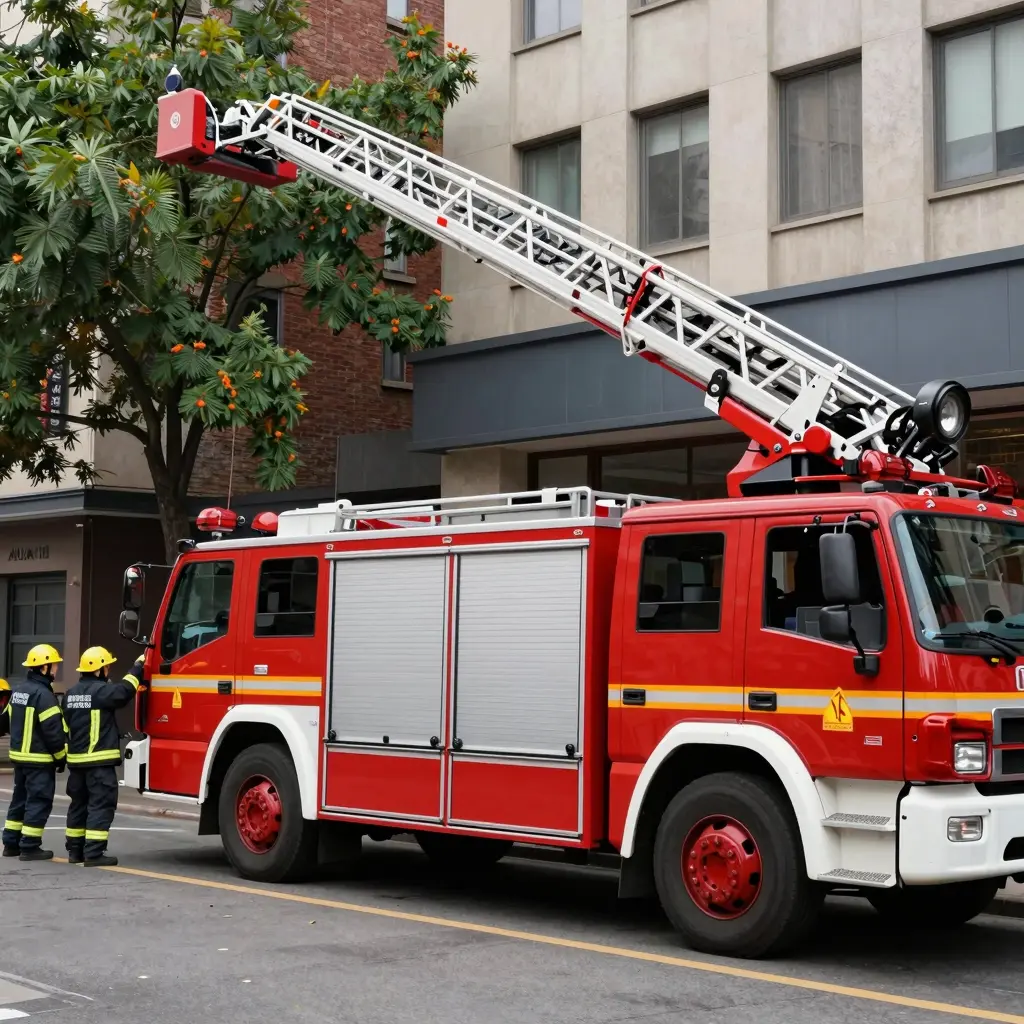
Là một chủ doanh nghiệp, việc hiểu rõ sự cần thiết của việc đào tạo xe thang chữa cháy là điều rất quan trọng không chỉ để đảm bảo tuân thủ các quy định an toàn mà còn bảo vệ tính mạng nhân viên và bảo vệ tài sản của bạn khỏi các mối nguy hiểm do hỏa hoạn. Các sự cố cháy có thể xảy ra bất ngờ, và việc có một đội phản ứng được đào tạo tốt trang bị các kỹ năng và kiến thức đúng đắn có thể tạo nên sự khác biệt trong tình huống khẩn cấp. Các công ty như Zoomlion chuyên về thiết bị chữa cháy công nghệ cao, bao gồm cả xe thang hiện đại, những chiếc xe này là không thể thiếu cho các hoạt động chữa cháy hiệu quả. Việc đầu tư vào đào tạo toàn diện về xe thang chữa cháy giúp các chủ doanh nghiệp nâng cao khả năng chuẩn bị, giảm thiểu rủi ro và xây dựng văn hóa an toàn trong tổ chức của họ. Để biết thêm các tùy chọn thiết bị chuyên dụng, bao gồm nhiều loại xe cứu hỏa thang Và xe cứu hỏa bay, việc hợp tác với nhà cung cấp có trình độ công nghệ như Zoomlion là rất quan trọng để đạt được an toàn và tuân thủ phòng cháy chữa cháy tối ưu.
Tổng quan về Quy định An toàn Phòng cháy Chữa cháy cho Doanh nghiệp
Các quy định an toàn phòng cháy chữa cháy đã phát triển đáng kể, tập trung vào việc bảo vệ tính mạng và tài sản đồng thời nâng cao hiệu quả của các phản ứng khẩn cấp về cháy. Những quy định này được thiết kế để đảm bảo rằng các doanh nghiệp duy trì môi trường an toàn cho nhân viên, khách hàng và lực lượng cứu hộ.
Các Cơ quan Quản lý Chính yếu
- Hiệp hội Bảo vệ Cháy Quốc gia (NFPA): Tổ chức này cung cấp các hướng dẫn và tiêu chuẩn nhằm mục đích phòng ngừa và an toàn phòng cháy.
- Cục An toàn và Sức khỏe Nghề nghiệp (OSHA): Đặt ra các quy định liên quan đến an toàn của nhân viên, bao gồm yêu cầu đào tạo để vận hành thiết bị chữa cháy.
Training Requirements
- Vận hành Xe Thang: Các doanh nghiệp vận hành xe thang phải đảm bảo các nhân viên vận hành được đào tạo về các thực hành lái xe an toàn, sử dụng thiết bị và quy trình phản ứng khẩn cấp. Các buổi đào tạo cập nhật thường được quy định bởi các quy định của tiểu bang hoặc địa phương.
- Tiêu chuẩn an toàn: Tuân thủ các tiêu chuẩn OSHA và NFPA là rất quan trọng. Nhân viên lái xe cứu hỏa nên quen thuộc với:
- An toàn và sử dụng thang đứng.
- Vận hành nền tảng trên cao, bao gồm giới hạn trọng lượng và kiểm tra độ ổn định.
- Thủ tục sơ tán khẩn cấp.
Trách nhiệm của Chủ Doanh Nghiệp
- Huấn luyện định kỳ: Chủ doanh nghiệp phải tổ chức các buổi đào tạo liên tục bao gồm các thực hành an toàn mới nhất và kỹ thuật vận hành xe thang. Điều này bao gồm đào tạo thực hành và kiến thức lý thuyết để chuẩn bị cho các tình huống khẩn cấp.
- Documentation: Việc lưu giữ hồ sơ chi tiết về tất cả các buổi đào tạo và tuân thủ các quy định an toàn là thiết yếu cho các cuộc kiểm toán và kiểm tra.
Triển Khai Quy Trình An Toàn
Chủ doanh nghiệp nên xây dựng các quy trình an toàn phòng cháy chữa cháy toàn diện bao gồm:
- Kiểm tra định kỳ thiết bị an toàn phòng cháy, bao gồm xe thang.
- Các buổi đào tạo được lên lịch phù hợp với bất kỳ thay đổi nào trong quy định hoặc nâng cấp thiết bị.
Để tìm hiểu thêm, các chủ doanh nghiệp có thể khám phá các loại xe cứu hỏa chuyên dụng dành cho các hoạt động khác nhau, chẳng hạn như Xe cứu hỏa nền tảng hoặc Xe cứu hỏa trên không.
Mặc dù các quy định cụ thể có thể khác nhau tùy theo vị trí, việc cập nhật thông tin qua các tổ chức chuyên nghiệp và các sở cứu hỏa địa phương có thể giúp đảm bảo tuân thủ và an toàn.
Lợi ích Chính của Việc Đào Tạo Xe Thang Chữa Cháy Đối Với Chủ Doanh Nghiệp
- An toàn được cải thiện thông qua việc sử dụng thiết bị chữa cháy đúng cách, giảm nguy cơ tai nạn trong các tình huống khẩn cấp.
- Cải thiện tuân thủ các quy định an toàn phòng cháy chữa cháy địa phương, đảm bảo chủ doanh nghiệp đáp ứng nghĩa vụ pháp lý và tránh phạt.
- Hiệu quả hoạt động tăng lên, cho phép thời gian phản ứng nhanh hơn và xử lý hiệu quả các tình huống khẩn cấp, cuối cùng bảo vệ tài sản.
- Tăng cường sự tự tin và kỹ năng của nhân viên thông qua các chương trình đào tạo có cấu trúc, dẫn đến làm việc nhóm tốt hơn trong các tình huống quan trọng.
- Đảm bảo tuân thủ các tiêu chuẩn quốc gia và địa phương về phòng cháy chữa cháy, thúc đẩy văn hóa an toàn và sẵn sàng trong doanh nghiệp.
- Danh tiếng được nâng cao trong cộng đồng như một doanh nghiệp có trách nhiệm coi trọng an toàn và sẵn sàng đối phó với các tình huống khẩn cấp.
- Truy cập các bản cập nhật đào tạo liên tục để theo kịp các công nghệ và kỹ thuật an toàn đang phát triển liên quan đến hoạt động cứu hộ, chẳng hạn như các phương pháp tốt nhất trong các chuyển động trên cao và vị trí đặt thang.
- Việc thảo luận về các quy trình khẩn cấp làm tăng nhận thức của nhân viên, tạo ra môi trường làm việc an toàn hơn nói chung.
Để biết thêm về thiết bị chữa cháy thiết yếu, bạn có thể muốn khám phá xe cứu hỏa thang ladders của chúng tôi Và platform fire trucks.
Phương Pháp Đào Tạo Cho Hoạt Động Xe Thang Chữa Cháy
Khi nói đến việc đào tạo cho hoạt động xe thang chữa cháy, các doanh nghiệp có nhiều phương pháp đào tạo sẵn có. Mỗi phương pháp đều mang lại lợi ích và điểm yếu riêng có thể ảnh hưởng đến hiệu quả tổng thể của quá trình đào tạo. Dưới đây, chúng tôi nêu ra ba phương pháp đào tạo chính: đào tạo tại chỗ, khóa học trực tuyến và đào tạo dựa trên mô phỏng.
Đào Tạo Tại Chỗ
1. Mô tả: Đào tạo tại chỗ bao gồm các buổi học thực hành, trực tiếp được tổ chức tại trạm cứu hỏa hoặc nơi xe thang được sử dụng. Nó cho phép các học viên học trực tiếp trên thiết bị mà họ sẽ vận hành.
Ưu điểm:
- Trải Nghiệm Thực Hành: Học viên có thể thực hành vận hành xe thang chữa cháy trong các điều kiện thực tế.
- Phản Hồi Ngay Lập Tức: Các giảng viên có thể cung cấp hướng dẫn và sửa lỗi ngay lập tức, nâng cao quá trình học tập.
- Động lực nhóm: Các thành viên trong nhóm có thể cùng nhau tham gia huấn luyện, cải thiện sự phối hợp và tinh thần đồng đội trong các tình huống thực tế.
Nhược điểm:
- Tốn kém tài nguyên: Yêu cầu sự sẵn có của cả nhân viên huấn luyện và xe thang chữa cháy, điều này có thể không luôn khả thi.
- Đắt đỏ: Chi phí liên quan đến nhân sự, thời gian và có thể là thiết bị bổ sung có thể tích lũy lại.
- Số lượng người tham gia bị giới hạn: Có thể làm hạn chế số lượng học viên tham gia do giới hạn không gian và tài nguyên.
Khóa học trực tuyến
1. Mô tả: Các khóa học huấn luyện trực tuyến cung cấp kiến thức lý thuyết về vận hành xe thang chữa cháy, thường được cung cấp thông qua các nền tảng học tập trực tuyến. Những khóa học này có thể bao gồm video, bài kiểm tra và nội dung tương tác.
Ưu điểm:
- Đa dạng: Trainees can access the material anytime, allowing them to learn at their own pace.
- Tiết kiệm chi phí: Reduces travel and instructor costs associated with on-site training.
- Wide Reach: Can accommodate large numbers of trainees from different locations simultaneously.
Nhược điểm:
- Lack of Practical Experience: Online courses often do not provide hands-on training, which is crucial for equipment operation.
- Self-Direction Required: Requires motivation and self-discipline from trainees to ensure completion.
- Limited Interaction: Less opportunity for direct mentoring and guidance compared to in-person training.
3. Simulation-Based Training
1. Mô tả: Simulation-based training utilizes advanced technology to replicate real-life fire ladder truck scenarios, allowing trainees to practice safely without risk.
Ưu điểm:
- Safe Environment: Trainees can make mistakes and learn from them without real-world consequences.
- Realistic Scenarios: Simulations can be designed to replicate challenging situations, enhancing decision-making skills.
- Phản Hồi Ngay Lập Tức: Instructors can analyze performance in real-time and provide corrective feedback.
Nhược điểm:
- High Initial Costs: Investment in simulation technology can be significant.
- Technical Limitations: Simulations may not fully replicate the physical sensations of operating real machinery.
- Dependency on Technology: Issues with equipment or software can hinder training sessions.
In conclusion, businesses looking to train their employees on fire ladder truck operations must weigh the pros and cons of each training method. Combining these methods can lead to a more comprehensive training approach. For instance, using online courses for theoretical knowledge paired with on-site training for practical application could enhance overall training effectiveness. To explore our wide range of fire ladders and equipment, visit Chữa cháy tổng quát, cứu hộ cơ bản.
Effective training fosters safer and more proficient operations, ultimately leading to better outcomes in emergency situations.
Comparison of Fire Ladder Truck Training Vendors
| Nhà cung cấp | Tính năng | Giá cả | Thời gian |
|---|---|---|---|
| Sutphen Fire Trucks | Live training, hands-on practice | $1,500 – $3,000 | 2 – 5 days |
| 15. FDNY | Live training, hands-on practice | Varies | 3 – 7 days |
| Firefighter Training Network | Online courses, hands-on practice | $800 – $2,500 | 1 – 3 days |
Nguồn
Training Pricing Comparison of Fire Training Services
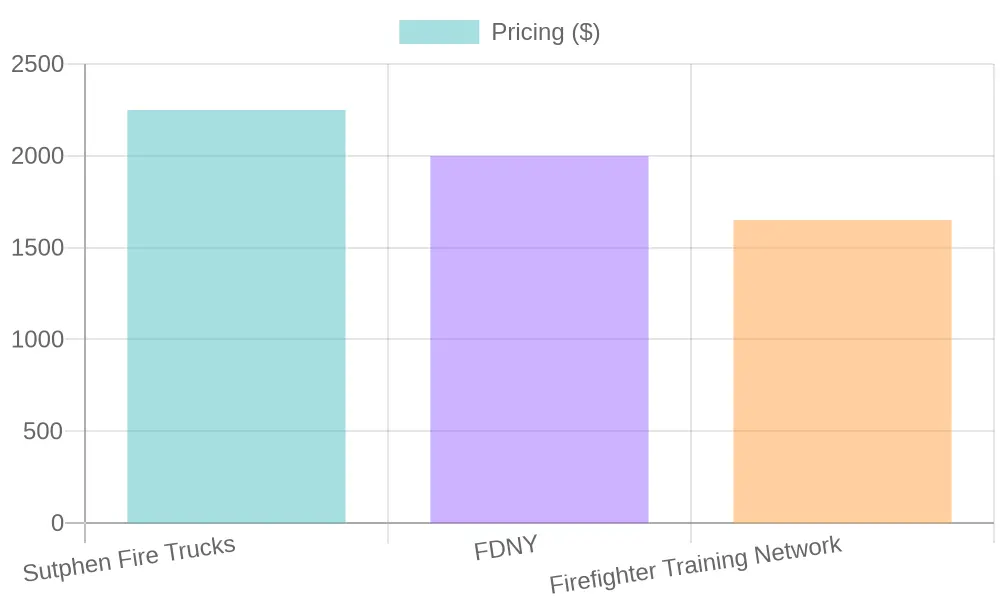
This chart details the pricing of different fire training services, measuring their cost efficiency and options provided. The visual representation helps in evaluating the best choice for your department’s needs.
Actionable Insights for Implementing Effective Fire Ladder Truck Training and Fostering a Culture of Safety
To ensure the safety of personnel and the effectiveness of emergency responses, business owners who operate fire services must prioritize comprehensive fire ladder truck training routines. Below are actionable insights to help implement these routines and cultivate a culture of safety within their teams:
1. Develop a Structured Training Program
Create a Consistent Schedule: Establish regular training sessions that adhere to industry standards. This could include monthly drills focused on specific operations, such as ladder deployment and emergency retrieval techniques. Consistency in training is key to retention and proficiency.
Incorporate Simulations: Use mock drills that simulate real-life fire emergencies. This provides practical experience and helps personnel develop confidence in using the fire ladder trucks effectively.
2. Leverage Technology
Use Training Aids: Consider investing in virtual reality (VR) training programs that focus on ladder operations. VR can help personnel navigate scenarios safely and learn best practices without real-world risks.
Monitor Performance: Utilize tools that allow trainers to record and analyze training sessions. Feedback is crucial; addressing weaknesses and reinforcing strengths ensures continuous improvement.
3. Foster a Safety-First Culture
Encourage Open Communication: Create an environment where employees feel comfortable reporting safety issues or suggesting improvements. Leadership should actively solicit feedback during training sessions and safety briefings.
Recognize Safe Behaviors: Implement a reward system for personnel who demonstrate exemplary safety habits, such as proper equipment use and adherence to safety protocols. This reinforces positive behaviors and motivates others.
4. Continuous Education
Stay Updated on Best Practices: Fire services should regularly consult updated training manuals and attend workshops hosted by industry professionals to stay informed about new standards and technologies in fire safety.
Collaborate with Experts: Consider partnerships with local fire departments or safety organizations for joint training sessions, which can provide additional resources and insights into current safety trends.
5. Regular Equipment Inspections
- Conduct Routine Checks: Ensure that fire ladder trucks and related safety gear are regularly inspected and maintained. A well-maintained fleet not only enhances operational effectiveness but also ensures the safety of the crew.
By implementing these strategies, business owners can effectively train their team for fire ladder truck operations while promoting a culture of safety. This commitment not only protects their workforce but also enhances the overall effectiveness of their emergency response strategies. For more information on our range of fire trucks and safety equipment, Nhận thức về sức khỏe và an toàn.
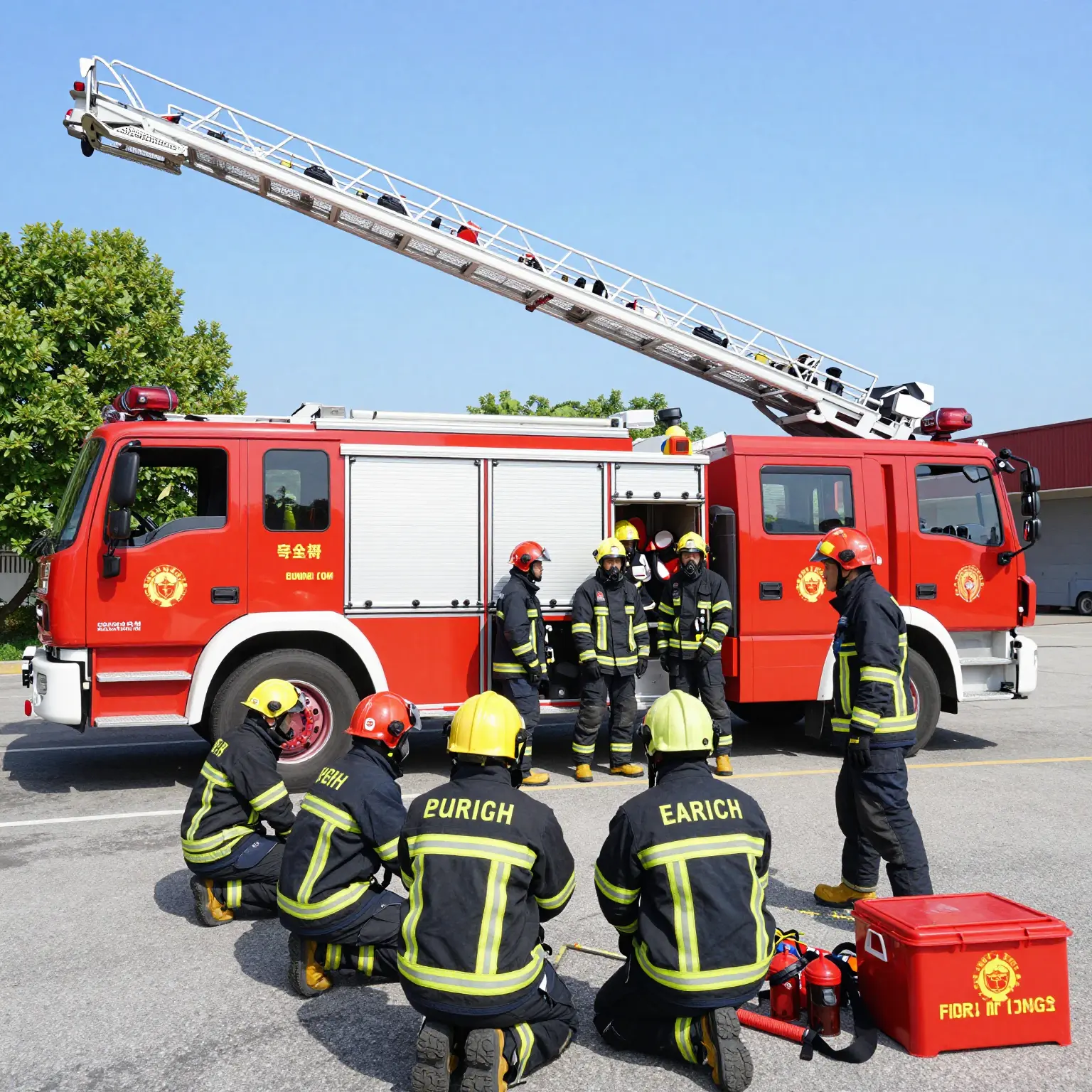
An image representing fire safety and training, featuring elements like a fire ladder truck and firefighters in training.
“Effective training in ladder truck operation is critical, as it equips firefighters with the skills needed to respond swiftly and safely in emergency situations. Proper training not only enhances their ability to save lives but also significantly reduces the risk of injuries during operations.” – National Fire Protection Association (NFPA)
This quote underscores the significance of comprehensive training for ladder truck operations. It’s essential for business owners to understand that investing in such training not only promotes safety but also improves emergency response effectiveness. With well-trained personnel, the likelihood of success in high-rise fire incidents increases dramatically.
For businesses seeking to elevate their fire safety protocols, consider exploring advanced fire safety solutions, such as fire fighting equipment and specialized trucks like xe cứu hỏa thang.
Learn more about enhancing safety practices in your organization.
Conclusion and Call to Action
In conclusion, fire ladder truck training is not just a regulatory requirement; it is a crucial component of ensuring safety and compliance for business owners. Proper training equips personnel with the skills and knowledge to effectively operate fire ladder trucks, enhancing their preparedness for emergencies. With the increasing complexities of modern firefighting and the variety of applications for fire ladder trucks, it is essential to have trained professionals who can utilize this equipment effectively. By prioritizing such training, business owners not only safeguard their assets but also foster a culture of safety that can lead to reduced liability and enhanced community trust.
As a business owner, it is your responsibility to ensure that your team is well-trained and prepared for any incident. Investing in fire ladder truck training is an investment in safety and compliance.
Take Action Now! Contact Zoomlion today for your fire ladder truck training needs. Explore our range of fire fighting solutions and learn more about how we can assist you in enhancing the safety and readiness of your operations. Visit our Dữ liệu Thống kê về Sự cố for more details. Ensure your business is equipped with the knowledge and skills required to handle emergencies efficiently and effectively!
Frequently Asked Questions (FAQs) About Fire Ladder Truck Training
1. How long does fire ladder truck training take?
Training for operating fire ladder trucks typically requires several weeks. This usually includes both classroom instruction and hands-on practice with the equipment. The exact duration varies by department and local regulations, but expect a combination of theoretical education and practical applications.
2. What are the costs associated with fire ladder truck training?
Certification costs can vary widely. Often, fire departments cover training expenses as part of their operational budget, but there can be additional fees for materials, examination, and specialized sessions. It’s advisable for business owners to check with local fire departments for precise pricing information.
3. What are the benefits of becoming certified in fire ladder truck operations?
The benefits of certification include:
- An Toàn Tăng Cường: Proper training leads to better safety practices, reducing the risk of accidents.
- Hiệu Quả Hoạt Động: Certified operators are more efficient in emergency situations, which can save lives and resources.
- Tuân Thủ Quy Định: Certification ensures that departments comply with local, state, and federal regulations regarding firefighting operations.
4. Do I need previous experience to enroll in fire ladder truck training?
While prior experience in firefighting is advantageous, many training programs are designed for individuals with varying backgrounds. Some courses may require basic firefighting certifications as prerequisites, but many welcome new trainees eager to learn.
5. What types of fire ladder trucks are included in the training?
Training programs typically include a variety of ladder trucks, such as aerial fire trucks and platform fire trucks. For more details about specific truck models and their operational uses, you can explore Zoomlion’s range of fire ladder trucks.
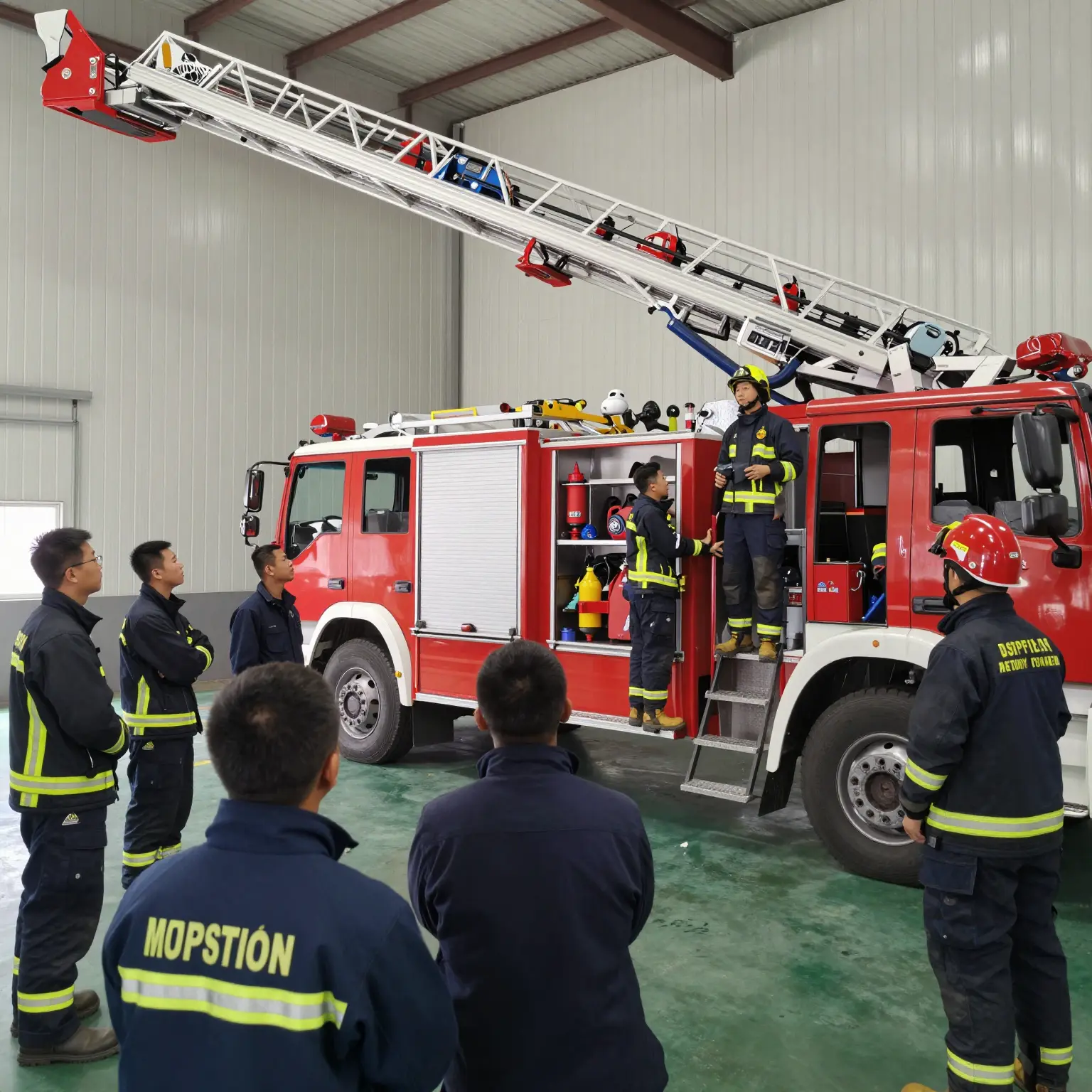
For business owners considering investing in fire ladder truck training, understanding these aspects is crucial for making informed decisions and ensuring compliance with safety regulations.