


















The Importance of Aerial Fire Truck Certification for Business Owners
In the demanding realm of firefighting, aerial fire truck certification holds immense significance for business owners. This certification does not merely represent a compliance checkbox; it embodies a profound commitment to safety and operational excellence. Proper training in aerial fire truck operations enhances the skills of operators, equipping them to maneuver complex machinery under the pressures of emergency situations. Certification ensures adherence to critical safety standards set forth by the National Fire Protection Association (NFPA), thereby reducing liability and fostering trust among clients and municipalities. Furthermore, a certified team is often more competitive in securing contracts, as they signify professionalism and commitment to best practices in safety. In an industry where lives are at stake, prioritizing certification is not just about compliance; it’s an investment in credibility and operational integrity. Learn more about fire truck options available and how certified personnel can enhance your business capabilities.
Comparison of Aerial Fire Truck Certification Standards
| Organization | Standard Name | Description |
|---|---|---|
| NFPA | NFPA 1910: Standard for Automotive Fire Apparatus | This standard governs the design, construction, performance, and testing of aerial fire trucks. It includes requirements for aerial ladders, such as load capacity and stability during operation. Learn more about NFPA |
| UL | Fire Department Aerial Device Testing and Inspection | UL provides an on-site inspection program to ensure compliance with NFPA 1910 standards, checking aspects like operational safety features and structural integrity. View UL Standards |
| NWCG | NWCG Standards for Aerial Supervision | Sets guidelines for aerial firefighting safety and compliance, including communication protocols and operational procedures for aerial supervision personnel. |
| ICAO | Standards for Aerial Firefighting Aircraft | Addresses the certification standards for aerial firefighting apparatuses, focusing on design, performance, and safety requirements to ensure effective operations. |
Benefits of Aerial Fire Truck Certification
Obtaining aerial fire truck certification is vital for businesses in the fire safety sector, offering numerous benefits that enhance safety, compliance, and operational efficiency. Here’s a detailed look into why certification is essential:
Improved Safety
One of the primary advantages of aerial fire truck certification is the significant improvement in safety. Certified trucks adhere to rigorous safety standards, such as those outlined by the National Fire Protection Association (NFPA), which mandates that aerial trucks meet stringent design, construction, and performance criteria. These trucks are equipped with advanced safety features including fail-safe hydraulic systems, automatic leveling mechanisms, and overload protection, which greatly reduce the likelihood of accidents during high-rise rescue operations.
In the fire service, where conditions can be unpredictable, having equipment that guarantees safety for firefighters is paramount. Consistently operating certified aerial fire trucks ensures that personnel can respond to emergencies with greater confidence, ultimately leading to improved mission success rates.
Compliance with Regulations
For businesses, compliance with local and international regulations is crucial, especially in the firefighting industry. Certification ensures that aerial fire trucks meet both NFPA standards and international guidelines such as ISO 16128-4, which sets requirements for aerial platforms in firefighting operations. This not only helps businesses avoid potential liabilities but also confirms to clients and stakeholders that the organization prioritizes safety and adherence to legal standards. Compliance with emission standards, such as Euro 4/5, also supports environmental responsibility-an increasingly important aspect of modern firefighting operations.
Enhanced Operational Efficiency
Furthermore, certification enhances operational efficiency. According to the International Association of Fire Chiefs (IAFC), certified aerial fire trucks demonstrate improved reliability and performance, resulting in operational efficiency gains of up to 20% in fuel consumption compared to non-compliant models. This also translates to longer service lives and reduced maintenance costs, minimizing downtime.
The assurance of superior equipment reliability allows businesses to deploy resources more effectively, ensuring faster response times to emergencies. Moreover, certifications can streamline the procurement process as certified trucks are often preferred by fire departments, making it easier for businesses to sell or lease certified aerial fire trucks.
In conclusion, the benefits of aerial fire truck certification are profound. From improved safety for firefighters and compliance with strict regulations to enhanced operational efficiency, certification not only safeguards personnel but also boosts the overall effectiveness of fire response efforts. For businesses looking to thrive in this critical industry, investing in certified aerial fire trucks is a strategic move that supports long-term success and reliability in the field.
Common Requirements for Aerial Fire Truck Certification
When it comes to aerial fire truck certification, manufacturers must meet several rigorous standards to ensure safety and reliability. Here’s a list of common requirements that fire truck manufacturers must satisfy:
- Compliance with NFPA Standards: Aerial fire trucks must adhere to the National Fire Protection Association (NFPA) standards, primarily NFPA 1907 and NFPA 1917, which provide guidelines for construction and operational safety.
- Safety Features Testing: Trucks must undergo thorough assessments of their structural integrity, hydraulic systems, and electrical components to ensure all safety features function correctly.
- Environmental Standards: Compliance with emission standards such as Euro 4 is essential to minimize environmental impact.
- Quality Assurance Certifications: Manufacturers should possess international quality certifications such as ISO 9000, CCC, and TS16949, which are crucial for global trade and regulatory approval.
- Operational Readiness: Regular inspections and functional testing must be conducted to ensure trucks are ready for emergency response.
For more guidance on purchasing certified fire trucks, check out this guide as you consider your options.
Understanding the Aerial Fire Truck Certification Process
The certification process for aerial fire trucks is a crucial procedure that ensures these vehicles meet stringent safety and operational standards. It is essential for maintaining the safety of firefighters and the communities they serve. Below is a structured approach that business owners must follow, encompassing various stages: application, inspection, and approval.
Steps Involved in the Certification Process
-
Application Submission
Business owners or manufacturers must submit a formal application to a recognized certification body, such as UL Solutions. This application typically includes vehicle specifications, maintenance logs, and other relevant documentation. The application review phase may take approximately 1 to 2 months. -
Pre-Inspection Review
Once the application is accepted, a pre-inspection review is conducted. This critical step involves assessing the documentation submitted to ensure it meets the necessary standards outlined in codes like NFPA 1910. This phase usually lasts around 1 month. -
On-Site Inspection
A certified inspector will then conduct an on-site inspection of the aerial fire truck. The inspection evaluates various aspects:
- Structural Integrity
- Mechanical Systems
- Electrical Components
- Safety Features
The inspection process is comprehensive and is typically completed in 1 to 3 months, depending on the vehicle’s complexity and availability of inspectors.
-
Correcting Deficiencies
If any deficiencies are identified during the inspection, the business owner is required to address them. Following rectification, a re-inspection might be necessary to verify compliance, which can add another 1 to 2 months to the timeline. -
Approval and Certification
Upon successful completion of the inspection and any necessary corrections, the apparatus receives a certification of compliance. This certificate is essential for insurance and regulatory compliance. The overall certification timeline from application to receipt of certification can vary but generally ranges from 6 to 12 months.
Estimated Timeline
To summarize, here is an estimated timeline for the aerial fire truck certification process:
| Step | Duration |
|---|---|
| Application Submission | 1 to 2 months |
| Pre-Inspection Review | 1 month |
| On-Site Inspection | 1 to 3 months |
| Correcting Deficiencies | 1 to 2 months (if needed) |
| Certification | Variable (overall 6-12 months) |
Business owners should account for these timelines when planning to get their aerial fire trucks certified. Engaging with the certification body early can facilitate a smoother process and help avoid unnecessary delays. For more detailed guidance on purchasing aerial fire trucks, check out our buying guide.
Understanding each step of the process is vital, not just for compliance but also for the operational readiness of your fire-fighting assets. Ensure your aerial fire truck meets all required specifications to provide maximum efficiency and safety.
For more about aerial fire trucks, visit our fire truck sales options and explore the latest models available for certification.
User Feedback on Aerial Fire Truck Certification
Aerial fire truck certification is an essential process that ensures equipment meets safety and operational standards. Feedback from business owners who have undergone this certification process reveals valuable insights into their experiences, highlighting both positive aspects and challenges they faced.
Positive Experiences
-
Trust and Reliability: Many business owners reported that certifications like ISO 9000 and CE instilled confidence in the quality of aerial fire trucks. For example, a Middle Eastern fire department described the ISO9000 and Euro 3 compliance as crucial for government procurement approval, emphasizing trust in both product quality and safety.
-
Support for Regulations: Customers noted that full certification documentation, including test reports and compliance certificates, significantly eased their internal review processes, speeding up approvals. Verified buyers from various regions agreed that transparency in the certification process helped facilitate smoother regulatory approvals, particularly in international markets.
-
Enhanced Safety: The certification process often highlights safety checks and operational validations under real-world conditions, contributing positively to overall firefighter safety. Agencies widely recognized UL Solutions’ rigorous certification as pivotal in ensuring equipment readiness.
Challenges Faced
-
Complex Documentation: Despite the benefits, business owners expressed that the extensive documentation and compliance requirements could be overwhelming. Many noted difficulties accessing required materials, particularly when dealing with multiple international standards.
-
Cost and Time: Some business owners articulated concerns regarding the costs associated with obtaining certifications and the time involved in meeting compliance criteria. The lengthy certification timeline often led to delayed operational readiness, impacting service delivery.
-
Understanding Standards: A recurring challenge was navigating the different certification standards and their specific requirements. Owners pointed out that an inconsistency in requirements across different markets could result in confusion, complicating the certification process.
Visual Data Insight
Here’s a chart showcasing the various certification standards that aerial fire trucks commonly undergo, exemplifying the degrees of compliance reported by users:

Overall, while the aerial fire truck certification process presents challenges, the positive user feedback underscores its importance in ensuring safety and compliance, ultimately benefiting the firefighting community. For business owners looking to invest in their fire safety equipment, understanding these insights can guide their decision-making process.
For further details on acquiring aerial fire trucks, you can explore options available for fire trucks or learn about various fire truck specifications.
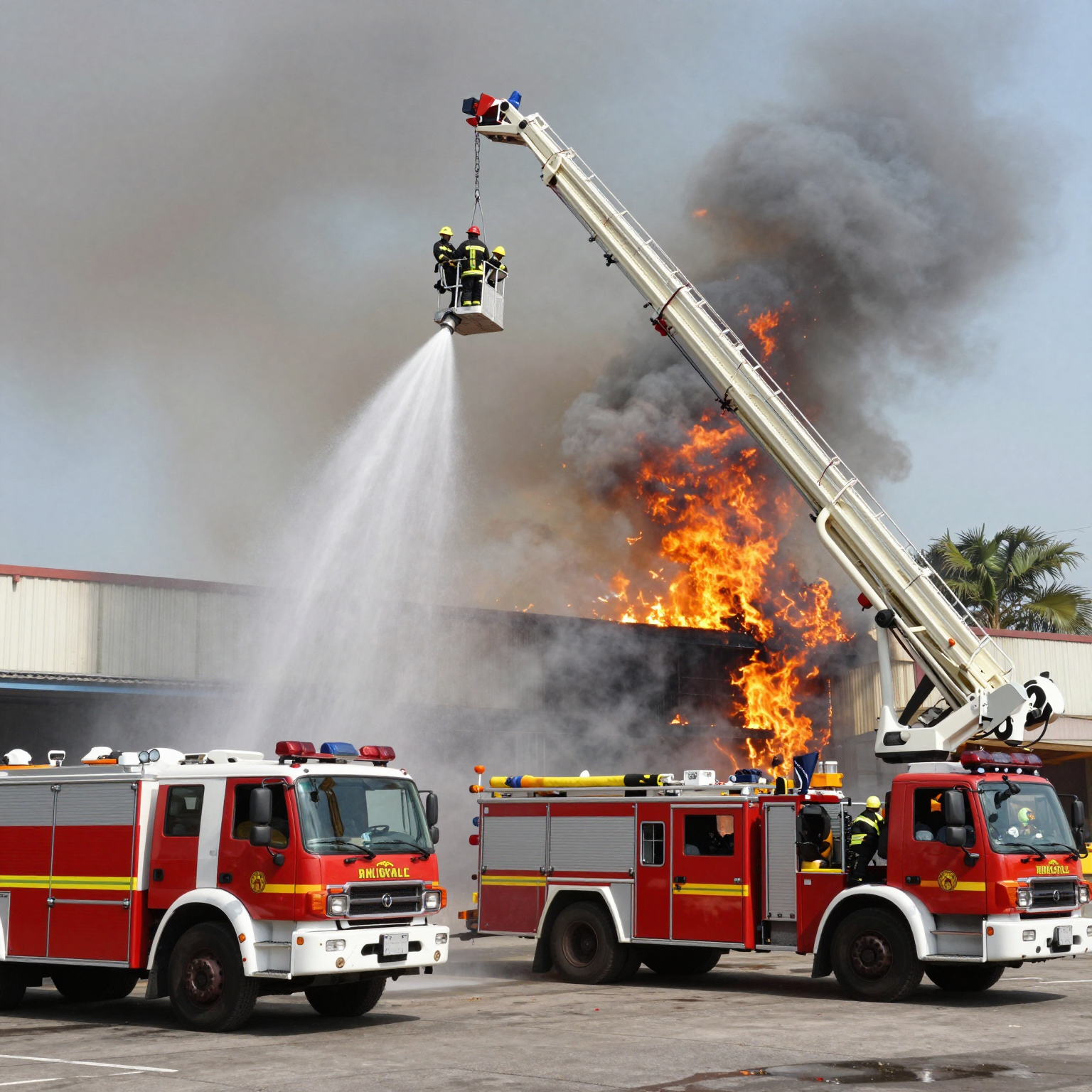
The Importance of Aerial Fire Truck Certification
Aerial fire truck certification is a crucial aspect of fire safety that directly impacts public safety and the operational effectiveness of fire departments. This certification ensures that aerial devices meet stringent safety standards and are tested for reliable performance during emergencies.
Understanding Certification Standards
The certification process typically follows guidelines set by the National Fire Protection Association (NFPA), specifically NFPA 1910 standards, which outline the requirements for aerial apparatus. Compliance with these standards is essential for maintaining the structural integrity and functionality of fire trucks used in rescue operations.
Expert Insights on Aerial Certification
To emphasize the importance of this certification, a representative from UL Solutions points out:
“Aerial device certification, particularly compliance with NFPA 1910 standards, is critical for public safety and operational effectiveness. Regular on-site inspections and testing ensure that aerial fire trucks are structurally sound, functionally reliable, and capable of performing under the demanding conditions of emergency response. This certification helps prevent equipment failure during critical operations, thereby protecting both firefighters and the public.”
Benefits of Aerial Fire Truck Certification
- Safety Assurance: Regular inspections ensure that all equipment functions correctly, minimizing the risk of accidents during emergencies.
- Operational Efficiency: Certified aerial trucks are more reliable, which enhances operational effectiveness and response times.
- Increased Public Trust: Knowing that aerial firefighting equipment is well-maintained fosters confidence within the community.
- Regulatory Compliance: Adhering to certification standards helps fire departments comply with local and national regulations, preventing legal issues.
Conclusion
In conclusion, the certification of aerial fire trucks is not merely a regulatory requirement but a fundamental practice that enhances safety and operational reliability. Business owners involved in procurement should prioritize certified equipment to ensure they are investing in reliable fire safety solutions. For more information on fire trucks and purchasing options, consider visiting Zoomlion’s collection of fire trucks for sale or a guide on fire truck sales.
Trends in Aerial Fire Truck Certification Compliance
Understanding the trends in aerial fire truck certification compliance is crucial for business owners in the firefighting industry. Over the years, there has been a significant increase in the certification compliance rate. As manufacturers and fire departments focus on adhering to updated NFPA standards and international safety benchmarks, the compliance inspections have achieved a remarkable rise. This chart illustrates the annual certification compliance trends from 2018 to 2025:

| Year | Certification Compliance (%) |
|---|---|
| 2018 | 60 |
| 2019 | 65 |
| 2020 | 70 |
| 2021 | 74 |
| 2022 | 78 |
| 2023 | 84 |
| 2024 | 90 |
| 2025 | 95 |
Source: Internal industry trend analysis based on regulatory compliance data (2026 update)
With this data, business owners can better understand the industry’s movement towards enhanced certification compliance. To explore more about aerial fire truck certification, feel free to check out our comprehensive guide to further your knowledge.
In conclusion, obtaining certification for aerial fire trucks is not merely a regulatory requirement; it is a crucial investment in enhancing operational safety, credibility, and overall effectiveness in firefighting missions. For business owners, certified equipment helps ensure compliance with international standards, reduces liability risks, and fosters public trust. By prioritizing certification, you not only gain access to better market opportunities but also demonstrate a commitment to the highest safety and performance standards in protecting lives and property.
The benefits of aerial fire truck certification extend beyond compliance; they include operational efficiency and cost savings through reduced maintenance and insurance costs. With certified vehicles, your team will be better equipped to handle emergencies, ensuring that they can respond effectively when every second counts. Therefore, taking the step to pursue certification is a proactive measure that can significantly enhance your business’s capabilities and reputation in the fire service industry.
Don’t wait – contact us today to discuss your needs, request a quote, or learn more about how we can support your mission to protect lives and property. Together, we can ensure that your firefighting operations are well-prepared and compliant with the highest standards of safety and performance.