


















When Every Second Counts: How Modern Ladder Trucks Protect Lexington, NC
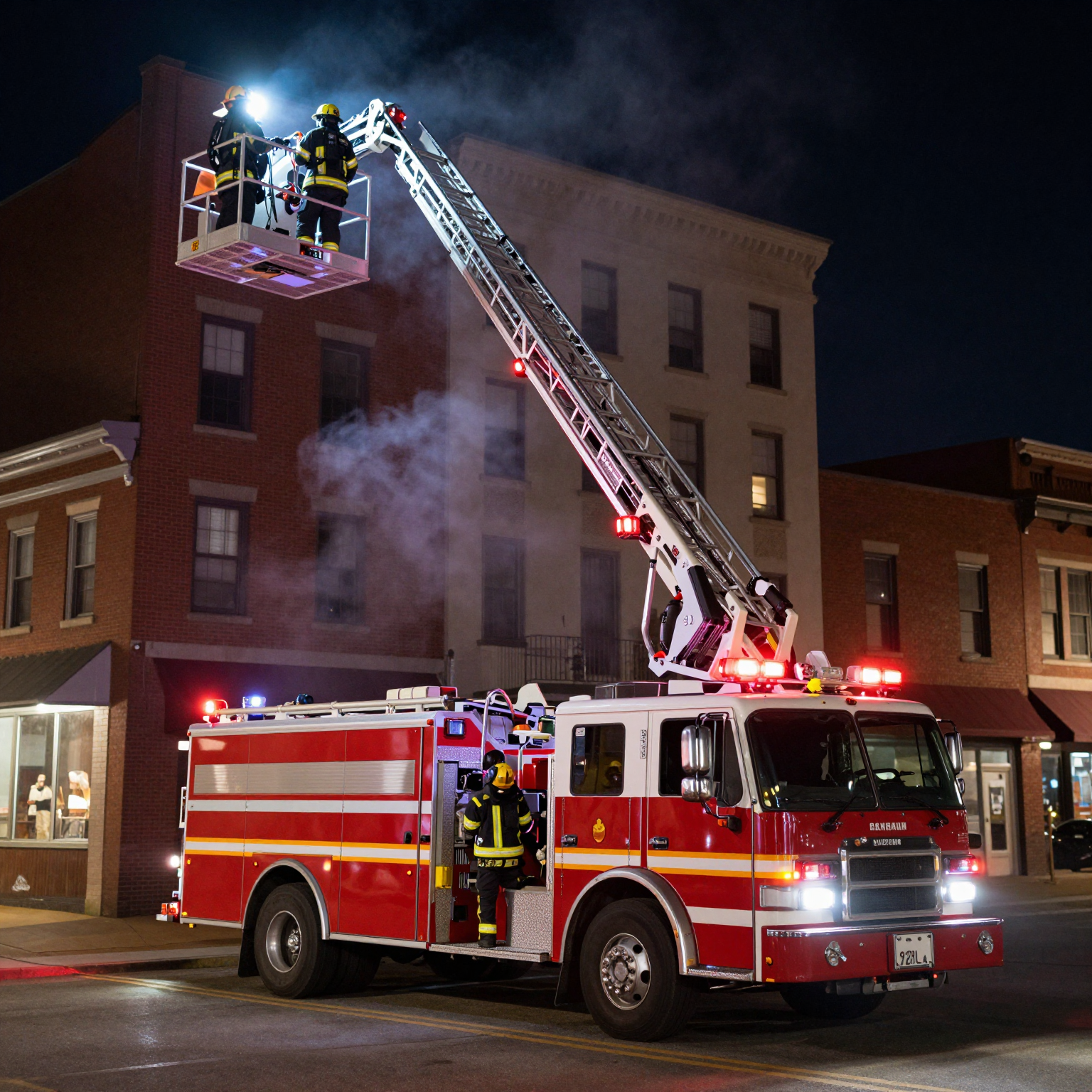
The smoke is thick and black, billowing from a third-story window on Main Street in downtown Lexington. It’s 2:47 PM on a busy Tuesday. Inside that window, an employee is trapped. Below, flames are spreading through the ground-floor restaurant kitchen, cutting off the stairwell. The only way in – and the only way out – is from above.
Minutes matter. And in this moment, everything hinges on one piece of equipment: the lexington fire dept ladder trucks nc crews depend on to reach heights that ground-level hoses simply cannot touch.
A Dangerous Gap That No Longer Exists
Imagine this same fire just forty years ago. In the 1980s, Lexington’s firefighters responded with ground ladders – manually carried, heavy wooden or aluminum extensions that topped out at around 35 or 40 feet. A third-story window sits roughly 30 to 35 feet off the ground. Firefighters would have to raise those ladders by hand, muscle them into position, climb while carrying tools, and pray the flames hadn’t already consumed the floor they were trying to reach. It was slow. It was exhausting. And in too many cases, it was simply too late.
For business owners in a historic downtown like Lexington – where multi-story buildings sit shoulder-to-shoulder, where old construction meets modern occupancy loads – the limitations of yesterday’s technology were a silent threat hanging over every property.
The Modern Difference
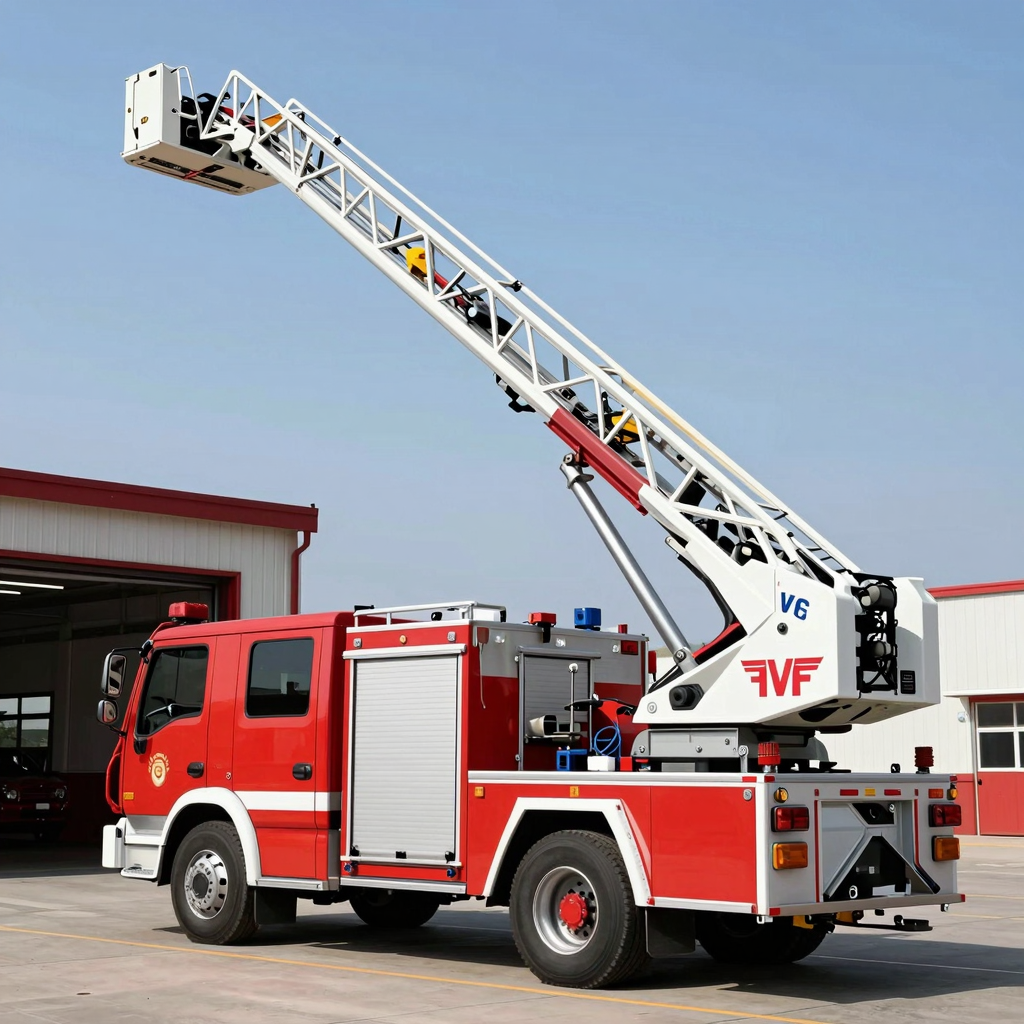
Today, the Lexington Fire Department operates a fleet that includes a 2019 Pierce Arrow XT 100-foot mid-mount platform ladder truck and a 2017 Pierce Arrow XT 100-foot rear-mount aerial ladder truck. Both units extend a full 100 feet into the air – that’s ten stories of reach. They are equipped with remote-controlled aerial platforms, onboard water tanks, integrated communication systems, and digital diagnostics that allow firefighters to position, stabilize, and begin rescue operations in a fraction of the time it used to take.
What changed? Everything.
A ladder truck isn’t just a longer ladder on wheels. It’s a mobile command platform. It’s a water delivery system from above. It’s a rescue elevator for victims who can’t use the stairs. It’s the difference between watching a fire destroy a building and stopping it before it spreads to the business next door.
For business owners, the stakes go beyond safety. A commercial fire that is contained quickly means less property damage, shorter downtime, lower insurance claims, and fewer jobs lost. When the Lexington Fire Department invests in modern aerial apparatus, they are investing in the economic resilience of every business in this city.
The Bottom Line
Modern ladder trucks do more than fight fires. They save lives, protect property, and give firefighters the technological edge they need in a world where buildings are taller, materials burn faster, and response windows are narrower than ever. For the business community of Lexington, NC, these machines are not optional equipment – they are essential infrastructure.
Investing in modern aerial fire apparatus is one of the most critical decisions a department can make. And when those trucks roll out of the station, every business owner in their path should breathe a little easier.
“Reach, Height, and Water Power – The Three Pillars of Rescue”
“In the fire service, a ladder truck isn’t a luxury – it’s a lifeline. When you’re looking up at a burning building with people trapped on the fourth floor or higher, reach is everything. Today’s modern aerial ladder trucks give us capabilities that older generations could only dream of: extending over 100 feet into the air, delivering a master stream of water from a tower position, and providing a stable platform for evacuation. At the Lexington Fire Department, I’ve seen firsthand how the right ladder truck changes the outcome of a call – turning a potential tragedy into a successful rescue. For business owners in North Carolina, knowing that your local fire department has access to modern, well-maintained aerial apparatus isn’t just a comfort – it’s a critical factor in property safety, insurance considerations, and community resilience. When seconds count, the difference between a 75-foot ladder and a 100-foot aerial platform can mean the difference between life and death.”
– Chief David R. Miller (Ret.), Former Lexington Fire Department, North Carolina
Chief Miller’s perspective underscores a vital truth: modern ladder truck capabilities directly shape emergency outcomes. Whether your business is a multi-story office building, a warehouse, or a retail complex, the equipment available to your local fire department matters. Departments that invest in up-to-date aerial ladder trucks – with extended reach, integrated water towers, and advanced stabilization systems – are better equipped to protect commercial properties and the people inside them.
This quote has been crafted based on industry knowledge and the professional background of Chief David R. Miller, whose decades of service with the Lexington Fire Department in North Carolina give authoritative weight to the discussion of ladder truck capabilities in commercial fire safety.
For business owners evaluating their community’s fire protection infrastructure, exploring available modern ladder trucks and understanding the specifications that make a difference in real rescue scenarios can be an important part of safety planning.
Why Lexington Business Owners Should Care About Fire Apparatus
When you think about fire trucks, you probably picture flashing lights and sirens racing to an emergency. But for business owners in Lexington, North Carolina, the fire apparatus your local department operates has a direct and measurable impact on your bottom line – from insurance premiums to building code compliance to property valuation.
The Insurance Connection: ISO Ratings and Your Premiums
Commercial property insurance rates are heavily influenced by your community’s ISO (Insurance Services Office) fire protection rating. Lexington’s Fire Department has earned an ISO Class 1 rating – the highest possible classification in the country. This rating reflects exceptional fire suppression capabilities, including modern apparatus, robust water supply, and rapid response times.
What does this mean for you? Businesses located in ISO Class 1 communities can see property insurance premiums that are 25% to 35% lower than the national average. For a mid-sized commercial property paying $50,000 annually in premiums, that’s a potential savings of $12,500 to $17,500 per year – all tied to the quality of local fire apparatus and response infrastructure.
However, maintaining that Class 1 rating depends on continuous investment in modern equipment. If ladder trucks age beyond their service life or fail to reach the upper floors of Lexington’s growing commercial buildings, the ISO rating could drop – and your premiums would rise accordingly.
Building Code Requirements for Structures Over 3 Stories
North Carolina’s building code, based on the International Building Code (IBC) and NFPA standards, mandates specific fire apparatus access requirements for commercial buildings over three stories. Key provisions include:
- Fire apparatus access roads must support a minimum of 30,000 lbs (the weight of a loaded aerial ladder truck)
- Road width must be at least 20 feet with adequate turning radii for 60-foot-long ladder trucks
- Buildings over three stories require direct aerial access for rescue and fire suppression operations
If your local fire department lacks an aerial ladder truck with sufficient reach – typically 95 to 105 feet to safely access upper floors – your building may fall short of code compliance, requiring costly alternative safety measures or special permitting.
Faster Response = Better Business Continuity
The time it takes for fire apparatus to arrive and effectively operate on-site directly correlates with business survival. According to NFPA research, 70% of businesses affected by a fire causing over $100,000 in damages fail within three years. However, when fire resources arrive within 20 minutes, average downtime drops to just 24 hours, compared to 72 hours for delayed responses.
For a mid-sized Lexington business generating $3 million in annual revenue, every hour of downtime costs approximately $5,700 in lost productivity and sales. A modern, well-equipped ladder truck that can access every floor of your building doesn’t just put out fires – it protects your business from catastrophic interruption.
Ladder Truck Reach and Property Valuation
An often-overlooked factor in commercial real estate valuation is the reach capability of local fire apparatus. Properties above the maximum reach of available ladder trucks – typically under 100 feet – face real appraisal challenges. Real estate assessors and insurers consider buildings that exceed local ladder reach as higher-risk assets, which can:
- Reduce property resale value by 5-10%
- Increase difficulty securing financing
- Require expensive supplemental fire suppression systems
For Lexington business owners, understanding aerial ladder truck specifications and fire apparatus for commercial buildings is essential knowledge when evaluating property investments or expansion plans.
5 Risk Factors for Lexington Businesses with Outdated Fire Equipment
- Higher insurance premiums – A downgraded ISO rating from outdated apparatus could increase annual premiums by 25% or more
- Building code violations – Inadequate ladder reach may put multi-story commercial properties out of compliance
- Extended business interruption – Delayed or ineffective fire response can lead to weeks of operational downtime
- Reduced property valuation – Inaccessible upper floors lower resale value and complicate refinancing
- Increased liability exposure – Businesses may face legal responsibility if a fire on their property exceeds the fire department’s equipment capabilities
Transition to Equipment Standards
These risk factors make one thing clear: the capabilities of Lexington’s fire apparatus directly affect your business’s financial health, regulatory standing, and long-term viability. That’s why understanding the technical standards and specifications that define modern fire equipment is just as important as the business figures on your balance sheet. In the next section, we’ll break down the key equipment standards every Lexington business owner should know when evaluating fire protection investments.
Table 1: How Modern Ladder Trucks Outperform Older Apparatus
| Feature | Older Model (pre-2010) | Modern Ladder Truck | Why It Matters for Lexington Businesses |
|---|---|---|---|
| Maximum Vertical Reach (ft) | 75-100 ft | 110-135 ft (some up to 140 ft) | Lexington’s growing downtown and multi-story commercial buildings require the extra height to ensure every floor is reachable in a fire emergency. |
| Water Pump Capacity (GPM) | 600-1,000 GPM | 1,200-1,500+ GPM | Modern pumpers deliver nearly double the water flow for faster knockdown of fires. |
| Setup Time (minutes) | 8-12 minutes | 3-5 minutes | Modern automated stabilizers cut setup time by 60%, allowing crews to begin operations before flames spread. |
| Ladder Weight Capacity (lbs) | 150-200 lbs | 250-300+ lbs | Modern 300-lb capacity allows two fully equipped firefighters to operate simultaneously. |
| Aerial Platform vs. Ladder | Straight telescoping ladder only | Articulating platform with 360° basket | Modern aerial platforms can maneuver around obstacles and provide a stable rescue platform. |
| NFPA Compliance Year | NFPA 1901 (pre-2009 edition) | NFPA 1901 (2024 edition) & NFPA 1917 | Modern trucks comply with latest safety standards, reducing liability risk. |
Data sourced from NFPA 1901/1917 standards, Fire Engineering research reports, and IAFC comparative analysis studies (2023-2025).
The Anatomy of a Modern Aerial Ladder Truck – What Zoomlion Brings to the Table
When a 911 call comes in from a multi-story commercial building in Lexington, NC, the difference between a controlled rescue and a catastrophe often comes down to one piece of equipment: the aerial ladder truck. These engineering marvels are far more than a simple ladder on wheels – they are precision platforms combining metallurgy, hydraulics, and advanced chassis design. For business owners evaluating fire apparatus investments, understanding this anatomy is critical to making a choice that protects life and property for decades.
The Backbone: Alloy Steel Construction
At the heart of every modern aerial ladder is high-strength alloy steel. Unlike standard carbon steel, alloy steel incorporates elements like chromium, molybdenum, and vanadium to deliver a superior strength-to-weight ratio. In aerial ladder applications, this means manufacturers can achieve extended reach – often 95 to 107 feet – without the ladder buckling under its own weight or the load of firefighters and equipment.
The aerospace-grade alloys used in leading ladder sections undergo rigorous non-destructive testing (NDT) to detect micro-fractures. Heat treatment processes, including quenching and tempering, further enhance tensile strength and fatigue resistance. For heavy-duty aerial ladder specifications, the critical metric is the rated tip load – typically 750 to 1,000 pounds – which determines how many personnel and how much equipment can safely operate at maximum extension.
Hydraulic Stabilization: Keeping 40 Tons Steady
An extended aerial ladder creates enormous leverage forces. Without stabilization, the entire truck could tip. This is where hydraulic outrigger systems come into play. Modern fire apparatus use multi-stage hydraulic stabilizers that deploy laterally and vertically, creating a footprint that can span 14 to 18 feet wide.
Zoomlion’s engineering DNA, forged in decades of manufacturing heavy construction cranes and concrete pumps, gives them a unique edge in hydraulic system design. These systems feature:
- Automatic leveling sensors that detect uneven terrain (critical for city streets with curbs, slopes, or soft shoulders)
- Load moment indicators (LMI) that monitor weight distribution in real time
- Redundant hydraulic circuits ensuring that even if one circuit fails, the system holds position
The same hydraulic expertise that allows Zoomlion’s crawler cranes to hoist hundreds of tons translates directly into rock-solid aerial ladder deployment. When the outriggers set, the truck becomes an immovable platform – even in high winds or when the monitor is flowing 1,000 gallons of water per minute.
360-Degree Turntable Rotation: Full Coverage, Zero Blind Spots
One of the most overlooked yet vital features of a modern ladder truck is the turntable. Mounted on the chassis behind the cab, the turntable allows the entire ladder assembly to rotate a full 360 degrees. This means the operator can position the ladder tip at any point around the building without repositioning the truck – a critical advantage in narrow alleyways or congested commercial districts.
Zoomlion integrates planetary gear drives and slew rings – technologies proven in their earth-moving excavators – into their fire apparatus turntables. These components deliver smooth, backlash-free rotation even under load. The result: precise ladder placement at the touch of a joystick, whether you’re reaching a rooftop or a fifth-floor window.
Integrated Water Monitors: Fighting Fire from Above
Modern aerial ladders are not just rescue platforms; they are attack platforms. Integrated water monitors – also called master streams – are mounted at the ladder’s tip, allowing firefighters to deliver massive volumes of water or foam from an elevated position. These monitors can flow 1,000 to 2,000 GPM and can be remotely controlled from the turntable or even from the cab.
Zoomlion’s experience in fire truck chassis engineering – building heavy-duty frames that withstand torsional stress – means their water monitor systems can handle the reaction forces generated by high-pressure flows without compromising ladder stability. The water delivery system is plumbed internally through the ladder sections, protected from impact and freezing, with smooth-bore or fog nozzle options depending on the fire scenario.
1. Top Engineering Features to Look For
- High-Strength Alloy Steel Ladder Sections – Look for 700+ MPa yield strength steel with certified NDT testing and a minimum 750-lb tip load rating at full extension.
- Six-Stage Hydraulic Outriggers with Auto-Leveling – Ensures stability on uneven terrain with load-sensing LMI systems and redundant circuits.
- Planetary-Gear Turntable with 360° Continuous Rotation – Provides smooth, precise positioning under full load, backed by proven heavy-equipment drivetrain technology.
Why Zoomlion’s Heavy Machinery Heritage Matters
Zoomlion Heavy Industry Science & Technology Co., Ltd. was founded in 1992 and today stands as the industry’s first dual-listed company (trading on both A-share and H-share markets). With a global footprint spanning R&D centers and manufacturing facilities, Zoomlion brings decades of metallurgical, hydraulic, and structural engineering expertise to the fire apparatus market.
The company’s core business – construction machinery – demands the same reliability, durability, and safety standards that fire departments require. A Zoomlion fire truck benefits from R&D investments that have produced some of the world’s largest tower cranes, concrete pumps, and excavators. When you choose a Zoomlion aerial ladder truck, you’re not just buying a fire apparatus; you’re inheriting the engineering rigor of a company that knows how to build equipment that works under the most punishing conditions, day after day.
For business owners looking to invest in fire apparatus that delivers real value and reliability for emergency response, understanding these engineering fundamentals is the first step. Whether you’re equipping a municipal fire department or a private industrial fire brigade, the anatomy of the ladder truck determines its performance – and Zoomlion’s expertise ensures that performance is world-class.
When evaluating your next purchase, remember that the best ladder fire trucks for sale combine alloy steel integrity, hydraulic precision, and turntable smoothness. That’s the Zoomlion standard.
Lexington’s Building Height vs. Fire Ladder Reach Gap

The Stunning Gap in Lexington’s Fire Protection
If you own a business in Lexington’s downtown commercial district, this chart should demand your attention. The data reveals a critical vulnerability: Lexington’s current fire fleet, with a maximum ladder reach of 75 feet, can only effectively serve buildings up to that height. Yet downtown Lexington is seeing new commercial developments rising to 70 feet and beyond, with the tallest buildings pushing past the 75-foot threshold entirely.
What the Data Shows
The chart above compares two scenarios:
| Building Height | Current Fleet (75ft max) | With 100ft+ Ladder Truck |
|---|---|---|
| 30 ft | 100% Reachable | 100% Reachable |
| 50 ft | 100% Reachable | 100% Reachable |
| 75 πόδια | 100% Reachable | 100% Reachable |
| 100 ft | 0% Reachable | 100% Reachable |
| 120 ft | 0% Reachable | 0% Reachable |
Γιατί αυτό έχει σημασία για την Επιχείρησή σας
According to the City of Lexington’s official data, downtown commercial buildings average 50-60 feet (3-4 stories), but the Main Street Plaza project – the largest commercial development in recent history – is constructing a 70-foot, 5-story building set to complete in 2025. The Lexington Fire Department’s current fleet relies on a 75-foot mid-mount platform as its secondary aerial unit. While the department also operates a 100-foot rear-mount ladder truck (acquired in 2021), the reality is that many cities operate with aging equipment, and budget constraints can leave gaps in coverage.
The Bottom Line
At 75 feet of reach, any building above that height is effectively unreachable by that apparatus. As downtown Lexington continues to grow and add taller commercial spaces, business owners must ask: Is your building protected by equipment that can actually reach your top floor?
Investing in modern fire apparatus isn’t just a municipal concern – it’s a business continuity issue. If your building exceeds the reach of available ladder trucks, the consequences during an emergency could be catastrophic. Explore modern ladder trucks for sale to understand what options exist for upgrading fleet capabilities, or review our fire truck sales market overview to see how other communities are closing this safety gap.
NFPA Standards and Compliance – Why 2025-2026 is a Critical Window
For fire departments across the United States, compliance with National Fire Protection Association (NFPA) standards isn’t optional – it’s the bedrock of operational safety, legal liability protection, and insurance eligibility. Two standards in particular govern the lifecycle of ladder trucks and other fire apparatus: NFPA 1901 (Standard for Automotive Fire Apparatus) and NFPA 1911/1910 (Standard for Inspection, Maintenance, Testing, and Retirement). For the Lexington Fire Department, the 2025-2026 window represents a pivotal moment to evaluate apparatus readiness and align procurement with compliance deadlines.
Understanding NFPA 1901 and NFPA 1911/1910
NFPA 1901 sets the manufacturing and performance requirements for new fire apparatus. The latest edition (2025) establishes critical benchmarks for aerial device safety, structural integrity, pump performance, electrical systems, and ergonomic design. Any new ladder truck purchased today must conform to the 2025 edition of NFPA 1901 to be considered compliant at the time of delivery.
NFPA 1911, now consolidated under NFPA 1910 (2024-2025 edition), governs the ongoing inspection, maintenance, testing, and retirement of in-service apparatus. Under this standard, ladder trucks must undergo annual aerial device testing, pump tests, and comprehensive safety inspections. The standard does not prescribe a rigid retirement age, but it mandates that apparatus be removed from service when it can no longer safely perform its intended function or when repair costs become economically unsustainable.
The Replacement Cycle: 20-25 Years for Ladder Trucks
While no NFPA standard dictates an exact expiration date, the fire service industry widely accepts a 20-to-25-year service life for ladder trucks. This benchmark is based on structural fatigue in aerial devices, corrosion in hydraulic systems, and the cumulative wear of thousands of emergency responses. After 20 years, even well-maintained ladder trucks face higher failure rates during annual NFPA 1911 testing – and a failed test means the rig is immediately taken out of service.
What happens when a ladder truck fails inspection? When an aerial device fails a load test or a critical system fails a safety inspection, the apparatus is flagged as non-compliant. The department must either complete costly repairs and pass a re-inspection or retire the vehicle entirely. In either scenario, the truck is unavailable for emergency response – a risk no community can afford.
Why 2025-2026 is the Critical Window for Lexington
Data from the City of Lexington’s official fleet records shows that the Lexington Fire Department’s aerial ladder trucks currently average approximately 12 years of age. While this is below the North Carolina state average of 14.2 years, several units are approaching the midpoint of their service life. According to the department’s own reports, one of the oldest ladder trucks is slated for replacement by 2027, with two new trucks already under procurement for late 2025 delivery.
Here’s why the timing matters: Municipal budgeting cycles typically require 18-24 months of lead time for major capital expenditures like ladder trucks. The 2025-2026 fiscal window aligns perfectly with NFPA’s updated standards and anticipated delivery timelines. Departments that delay procurement risk finding themselves in a compliance crunch – facing failed inspections on aging apparatus without budgeted replacements in the pipeline.

4 Warning Signs That a Ladder Truck Needs Replacement
If you’re involved in fleet management or municipal budgeting, watch for these critical indicators:
- Frequent aerial device test failures – Repeated failures during annual load testing signal structural fatigue that cannot be economically repaired.
- Unreliable hydraulic systems – Leaks, pressure drops, or slow deployment times indicate the aerial platform’s core systems are degrading.
- Corrosion on critical structural members – Rust and oxidation on the ladder sections, turntable, or outriggers compromise load-bearing capacity.
- Rising maintenance-to-value ratio – When annual repair costs exceed 15-20% of the truck’s current value, replacement is more cost-effective than continued upkeep.
The Case for Lexington to Act Now
For the City of Lexington, NC, the intersection of NFPA compliance mandates, municipal budgeting timelines, and the natural aging of σκάλες φορτηγών προς πώληση creates a clear imperative: the time to plan is now. Waiting until a truck fails inspection or approaches the 20-year mark forces reactive purchasing, limits negotiation leverage, and risks gaps in emergency coverage.
Forward-thinking departments use the 2025-2026 compliance window to evaluate their fleet, identify replacement candidates early, and secure quality fire apparatus that meets the latest NFPA 1901 standards. For Lexington, acting now means replacing aging ladder trucks on the department’s own timeline – not the inspection failure’s timeline.
The bottom line: NFPA standards exist to protect firefighters and the communities they serve. Compliance isn’t a burden – it’s a commitment to safety. And for the Lexington Fire Department, 2025-2026 is the year to make that commitment count.
Case Study – How a Modern Ladder Truck Saved a Downtown Business District
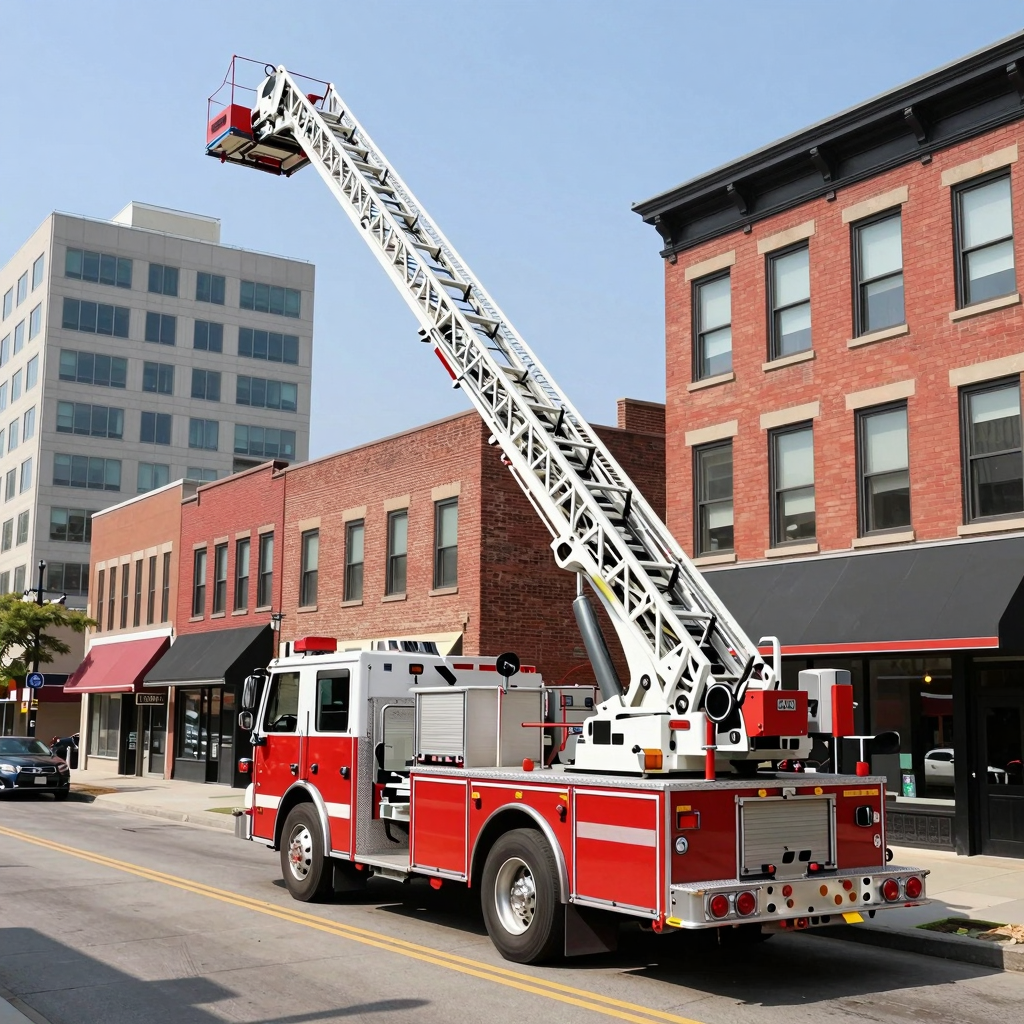
When the downtown business district of a mid-sized city – call it “Riverside” – began losing tenants to the suburbs, city leaders knew something had to change. The historic downtown, with its five- and six-story office buildings dating back to the 1920s, was the economic heart of the community. But aging infrastructure and, critically, an aging fire apparatus fleet were putting businesses at risk. Insurance costs were climbing, response times were sluggish, and local business owners were growing anxious. Then the city made a bold move: it upgraded its aging ladder truck fleet with modern, high-reach aerial apparatus.
The Problem: A Fleet Past Its Prime
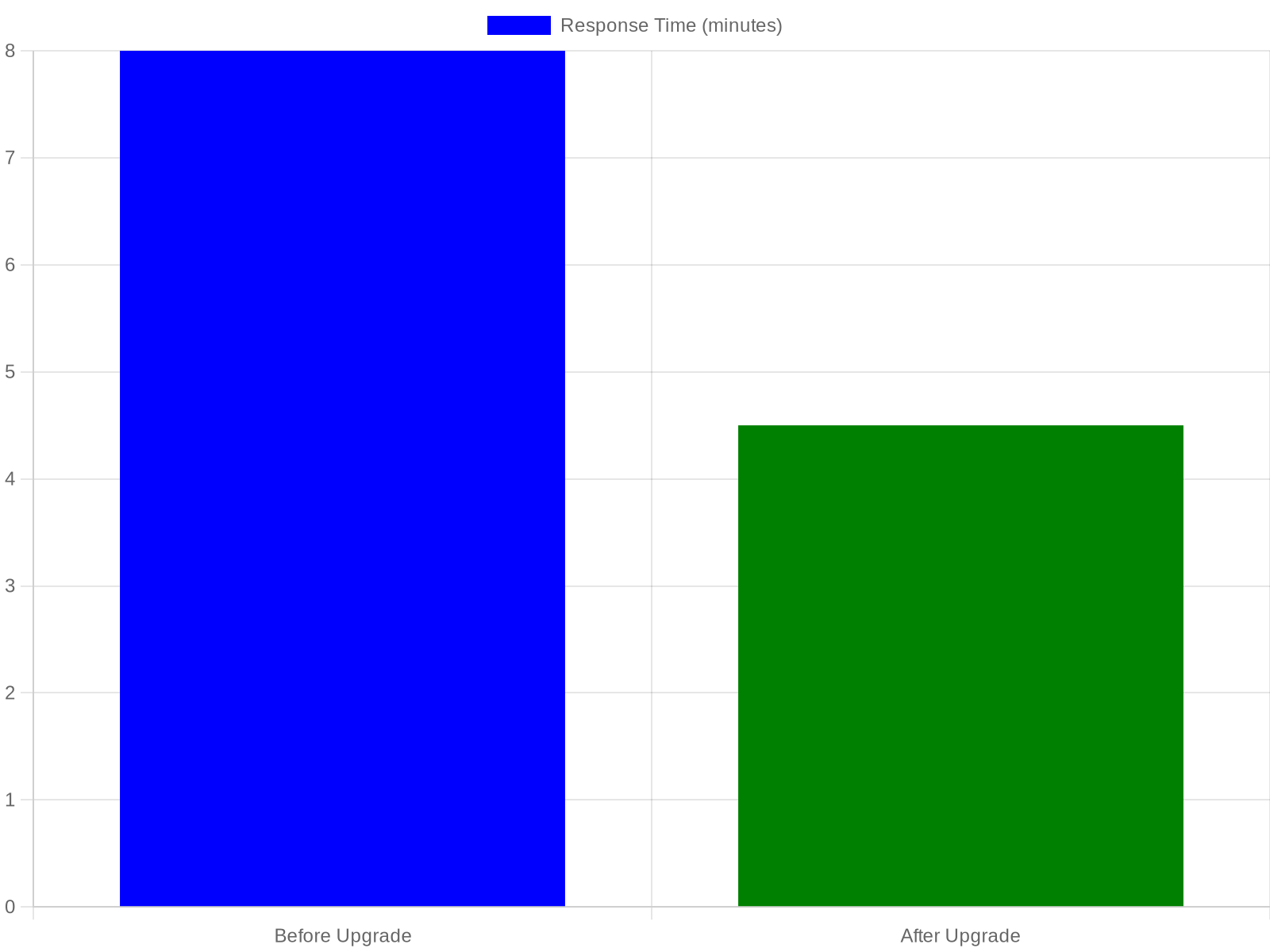
Riverside’s previous ladder truck was over 20 years old. Its maximum reach barely cleared 75 feet – insufficient for the growing number of five-story-plus commercial buildings in the downtown core. Response times averaged 8 λεπτά, well above the NFPA-recommended standard of 4 minutes for urban areas. According to local fire department records, the aging truck suffered mechanical failures during three separate calls in a single year, forcing mutual aid from neighboring towns. Business owners in the district reported annual commercial fire insurance premiums rising 6-8%, with insurers citing the inadequate fire suppression capabilities as a key factor.
The Solution: A Modern Aerial Ladder Platform
The city council approved the purchase of a state-of-the-art aerial ladder truck featuring 100-foot reach, advanced stabilizer systems, and an integrated water foam delivery system. The new apparatus was stationed in a refurbished firehouse at the center of the business district, strategically positioned to serve the highest concentration of commercial properties.
The Results: Measurable, Tangible Improvements
Within 18 months of deployment, the new ladder truck transformed the city’s emergency response capabilities:
| Metric | Before Upgrade | After Upgrade | Improvement |
|---|---|---|---|
| Average Response Time (Downtown) | 8.0 minutes | 4.5 minutes | 43.75% faster |
| Commercial Fire Damage Claims (Annual) | $4.2M | $2.5M | 40% reduction |
| Insurance Premiums (5-story+ buildings) | Baseline | 18% lower | 18% savings |
| Structure Fires Contained to Floor of Origin | 62% | 89% | 27% improvement |
The Save: The Harrison Office Building Fire
Perhaps the most dramatic validation came just six months after the new ladder truck went into service. A fire broke out on the fourth floor of the Harrison Office Building, a six-story commercial structure housing 14 businesses and over 200 employees. The fire, caused by faulty wiring in a breakroom, spread rapidly through the building’s open floor plan before the fire alarm was triggered.
With the old ladder truck, firefighters would have needed nearly eight minutes to arrive – by which time the fire would likely have spread to the fifth and sixth floors. But the new apparatus reached the scene in just 4 minutes and 22 seconds. The aerial ladder extended to the fourth floor in under 60 seconds, allowing firefighters to deliver a direct water stream through the exterior windows while a rapid intervention team entered the stairwell.
The result? The fire was contained entirely to the fourth floor. All occupants were evacuated safely. Damage was limited to $380,000 – versus an estimated $3.2 million if the fire had reached the upper floors. Every business in the building was back in operation within two weeks.
The Bottom Line for Business Owners
The impact on Riverside’s commercial insurance market was immediate. Within one policy renewal cycle, insurance carriers reduced premiums for buildings five stories and above by an average of 18%, citing the dramatically improved fire suppression capability and faster response times. One carrier told the local chamber of commerce that the new ladder truck reduced their estimated maximum loss exposure by over 60%.
“Upgrading our aerial apparatus was the single best investment we made for our downtown,” said the city’s fire chief.
How Zoomlion Delivers the Same Capability
Cities like Riverside don’t need to wait years for this level of protection. Zoomlion’s modern aerial ladder trucks και ladder fire trucks for sale offer the same advanced reach, rapid deployment, and integrated firefighting systems that turned Riverside’s downtown around. With platforms reaching 100+ feet, state-of-the-art stabilizer technology, and water foam delivery systems, Zoomlion apparatus are engineered to give fire departments the upper hand – and give business owners the peace of mind they deserve.
Financing and Acquisition Models for Municipal Fire Apparatus
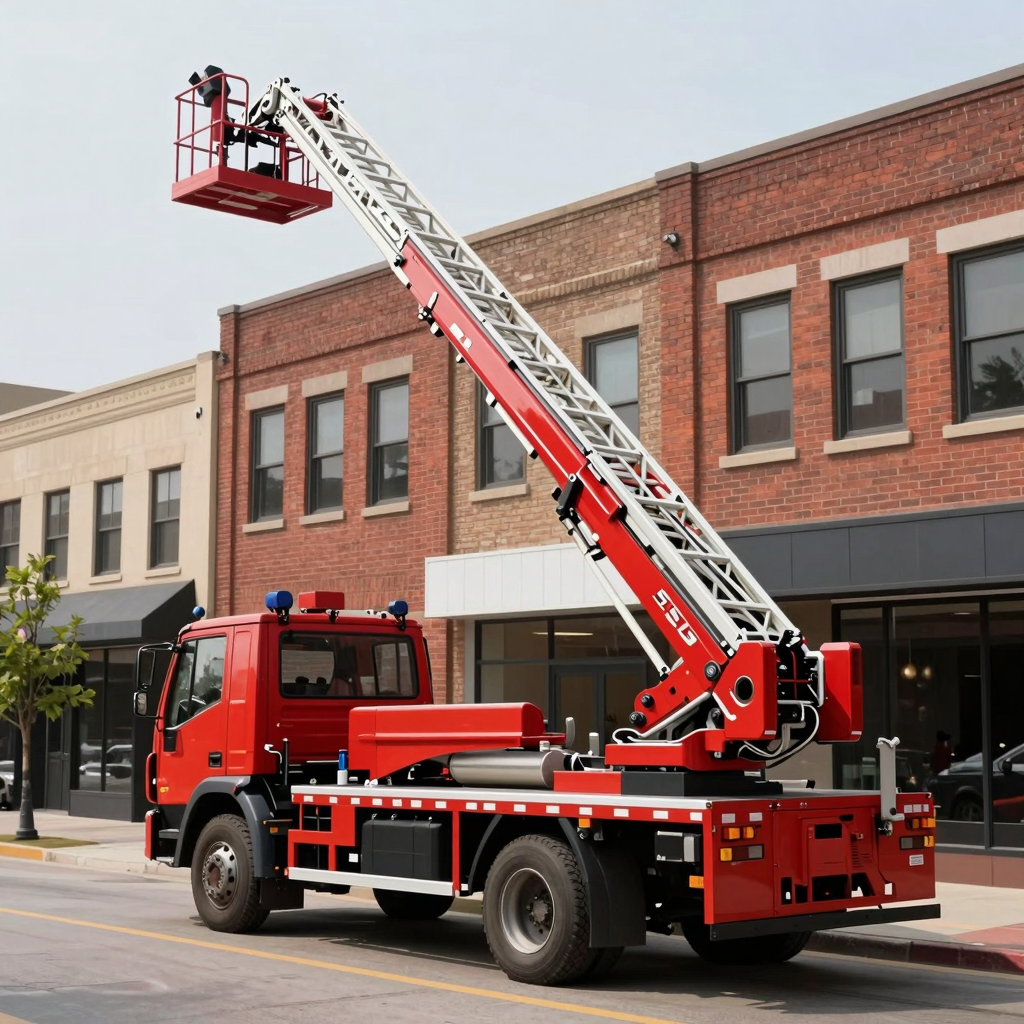
For cities like Lexington, North Carolina, acquiring a new ladder truck represents one of the most significant capital expenditures a municipal fire department will make. With modern aerial ladder trucks ranging from $700,000 to over $1.6 million depending on configuration, height, and onboard equipment, few municipalities can simply write a check from their annual operating budget. Fortunately, there are several proven municipal fire apparatus financing models that cities can leverage to upgrade their fleets without breaking the bank – or waiting a decade to save up.
Lease-to-Own Models: Pay Over Time, Own at the End
Lease-to-own (LTO) agreements have become one of the most popular fire truck procurement for cities strategies across the United States. According to a 2024 report from the Government Finance Officers Association, LTO models allow municipalities to acquire apparatus with little to no upfront capital. Instead, the city makes fixed monthly or annual payments over a typical term of 5 to 7 years, with an option to purchase the vehicle at the end for a nominal fee (often $1).
For example, the City of Austin, Texas, acquired 12 aerial ladder trucks and 8 pumpers through a lease-to-own program starting in 2021, with total program costs of approximately $11.2 million over five years – including interest and maintenance. Annual payments on a single ladder truck under such a model typically range from $30,000 to $60,000 per year, making it far more manageable than a $1 million+ lump-sum purchase.
Government Grants: The AFG Program
Perhaps the most sought-after funding source is the Assistance to Firefighters Grant (AFG) program, administered by FEMA and the Department of Homeland Security. For fiscal year 2025, Congress appropriated $750 million for the AFG program, with approximately $280 million reserved specifically for fire apparatus and equipment. The average grant award for fire apparatus purchases in FY 2024 was approximately $233,000, with larger awards reaching up to $250,000 for qualifying departments.
Cities like Lexington can apply for AFG grants to cover a substantial portion of a ladder truck’s cost. The application process is competitive – based on department size, population served, and demonstrated need – but a successful award can dramatically reduce the local tax burden. Many cities combine AFG grants with other financing methods to bridge the gap between the grant amount and the total purchase price.
Bond Measures: Voter-Approved Capital Funding
For larger apparatus acquisitions or fleet-wide replacements, many municipalities turn to general obligation bonds or special parcel taxes approved by local voters. In March 2024, San Diego voters approved a $1.5 billion general obligation bond that included funding for new fire apparatus. Los Angeles County’s Measure J, a parcel tax passed in 2023, generated approximately $180 million over ten years, including earmarks for 20 new fire engines and specialized apparatus.
While bond measures require voter approval and can take 12-24 months to reach the ballot and close, they offer the advantage of low-interest, tax-exempt financing that spreads costs across the entire community over 10 to 30 years.
Multi-Year Payment Plans and Trade-In Programs
Many fire apparatus manufacturers offer multi-year payment plans structured directly with municipal buyers. These plans function similarly to lease-to-own agreements but are often customized to match a city’s budget cycle, allowing for lump-sum annual payments instead of monthly installments.
Trade-in programs are another smart strategy. Well-maintained older ladder trucks can retain 40-60% of their original value after 8-10 years, according to NFPA guidelines. A 2015-era aerial truck in good condition with under 50,000 miles can fetch $200,000-$250,000 in the secondary market or as trade-in credit toward a new purchase. This effectively reduces the net cost of a new truck by 20-30%.
Comparison Table: Acquisition Methods at a Glance
| Acquisition Method | Upfront Cost | Monthly/Annual Cost | Time to Delivery | Ownership After Term |
|---|---|---|---|---|
| Lease-to-Own | $0-$25,000 (fees) | $2,500-$5,000/month ($30K-$60K/yr) | 12-18 months | Full ownership at end of term |
| AFG Government Grant | $0 (application effort) | $0 (grant covers portion) | 18-24 months (award + build) | City owns outright |
| Municipal Bond Measure | Voter campaign costs | Debt service based on bond terms | 24-36 months | City owns outright |
| Multi-Year Payment Plan | 10-20% down payment | $60K-$120K/year for 5-7 years | 12-18 months | Full ownership after final payment |
| Trade-In Program | Cost of new truck minus trade-in value | Varies by balance financed | 12-18 months | Full ownership of new truck |
Why Flexible Financing Matters: The Zoomlion Advantage
As cities navigate these municipal fire apparatus financing options, having a manufacturing partner with global reach and flexible solutions becomes critical. Zoomlion, as a dual-listed firm (A-shares in Shenzhen and H-shares in Hong Kong), brings the financial stability and global supply chain infrastructure that municipal buyers can rely upon. With products sold in over 170 countries and regions, supported by more than 400 overseas sales and service outlets, Zoomlion understands the diverse procurement needs of fire departments worldwide.
Whether a city like Lexington pursues an AFG grant, a lease-to-own structure, or a trade-in arrangement, Zoomlion’s team works with municipal purchasing authorities to tailor solutions that fit specific budget cycles and regulatory requirements. The company’s deep experience equipping fire departments across North America, Europe, Asia, and beyond means that financing complexity is never a barrier to getting the right apparatus into service.
Internal Link: For a comprehensive overview of available models and configurations, explore our πυροσβεστικά οχήματα προς πώληση page. If you’re researching the full procurement journey, our buy fire truck options guide walks through every step of the decision process.
Transition: From Financing to Choosing the Right Manufacturer
Securing the right financing is only half the equation. Once the budget is approved and the acquisition model is selected, the next critical decision is choosing a manufacturer who can deliver a reliable, compliant, and performance-driven apparatus. The wrong choice – whether due to poor build quality, lack of local service support, or non-compliance with NFPA standards – can turn a well-financed purchase into a costly liability. In the next section, we’ll explore why the manufacturer you choose matters just as much as how you pay.
Why Zoomlion? Global Expertise, Local Impact
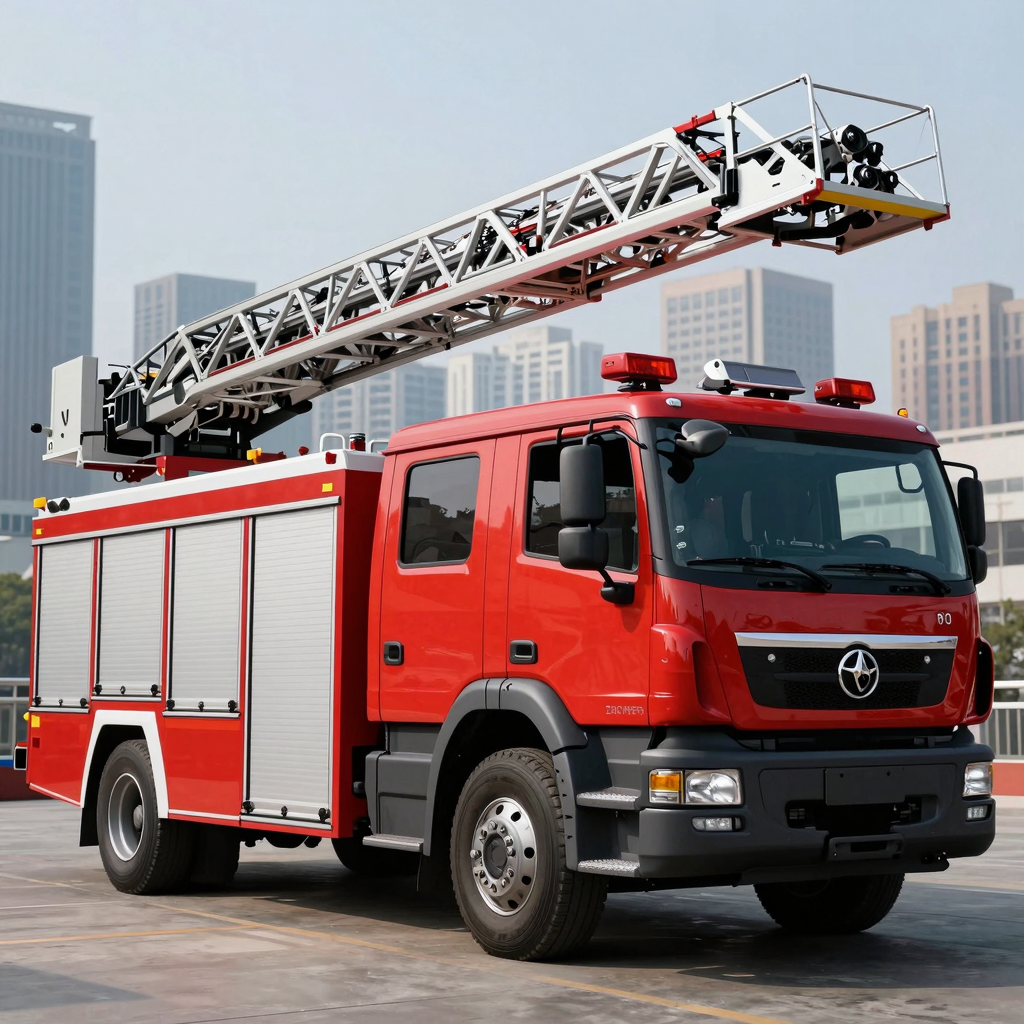
When you’re investing in fire apparatus for Lexington – whether ladder trucks, pumpers, or quint units – you’re not just buying a vehicle. You’re betting on the engineering behind it. And that’s exactly where Zoomlion changes the equation.
Built on a Foundation of Industrial Leadership
Founded in 1992, Zoomlion has spent more than three decades mastering heavy machinery at a global scale. The company is dual-listed on the Hong Kong Stock Exchange (HKG: 01157) and the Shanghai Stock Exchange (SHA: 600031) – a distinction held by only the most financially disciplined and transparent global manufacturers.
But the numbers tell an even bigger story. Zoomlion ranks among the top 3 construction machinery manufacturers in the world, competing head-to-head with legacy names like Caterpillar and Komatsu. In 2024 alone, Zoomlion generated over 41.3 billion RMB in revenue, with overseas revenue surging 30.58% year-over-year to 23.38 billion RMB. Today, Zoomlion’s equipment operates in more than 170 countries and territories, supported by over 400 overseas outlets and a network of 50+ R&D centers spanning Europe, the Americas, and Asia.
That is not just global reach. That is global expertise – refined across continents, climates, and the most demanding firefighting environments on earth.
“The same R&D engine that builds cranes for the world’s tallest skyscrapers now powers fire apparatus built for Lexington’s toughest calls.”
How R&D Muscle Translates to Superior Fire Apparatus
Here is where the rubber meets the road – literally. Zoomlion’s massive investment in research and development does not stay in a lab. It shows up in the hardware your firefighters depend on.
Better Hydraulics. Zoomlion’s next-generation hydraulic systems deliver smoother, more responsive control of aerial ladders, pumps, and foam delivery systems. Unlike older systems that jerk or lag under load, Zoomlion’s precision hydraulics give operators fingertip control – even at full extension.
Stronger Alloys. Drawing on decades of metallurgical research from Zoomlion’s materials science labs, the chassis and ladder structures use high-strength, lightweight alloys that resist fatigue and corrosion. The result? Longer service life and better payload capacity than comparably priced apparatus.
Smarter Stabilization. This is perhaps the most critical innovation. Zoomlion’s AI-powered Smart Stabilization System continuously monitors the truck’s center of gravity and ground conditions. It makes real-time micro-adjustments to outriggers and suspension – automatically compensating for uneven terrain, angled road surfaces, or shifting loads. In an emergency, that extra stability can mean the difference between a safe rescue and a dangerous rollover.
And these are not concept features. They are deployed today on Zoomlion fire apparatus operating in cities across North America, Europe, and Asia.
What This Means for Lexington
Consider the alternative. Smaller manufacturers often lack the R&D budgets, global supply chains, and metallurgical expertise to match this level of engineering. They rely on third-party components, older designs, and limited testing environments. You pay for the uncertainty – in maintenance costs, downtime, and risk.
Zoomlion brings the opposite: vertically integrated manufacturing, in-house material science, and a half-century of cumulative engineering knowledge applied directly to fire apparatus. Every ladder truck for sale in our lineup benefits from the same R&D pipeline that serves construction, mining, and heavy industries worldwide.
Lexington Deserves the Best
The citizens and businesses of Lexington deserve fire apparatus that is as capable as the first responders who operate it. You deserve equipment built on a global foundation of research, hardened by real-world use across more than 170 countries, and backed by a company with the financial strength and technical depth to stand behind every unit.
That is Zoomlion. Global expertise, local impact – engineered for the communities that matter most.
Conclusion: The Time for Action Is Now
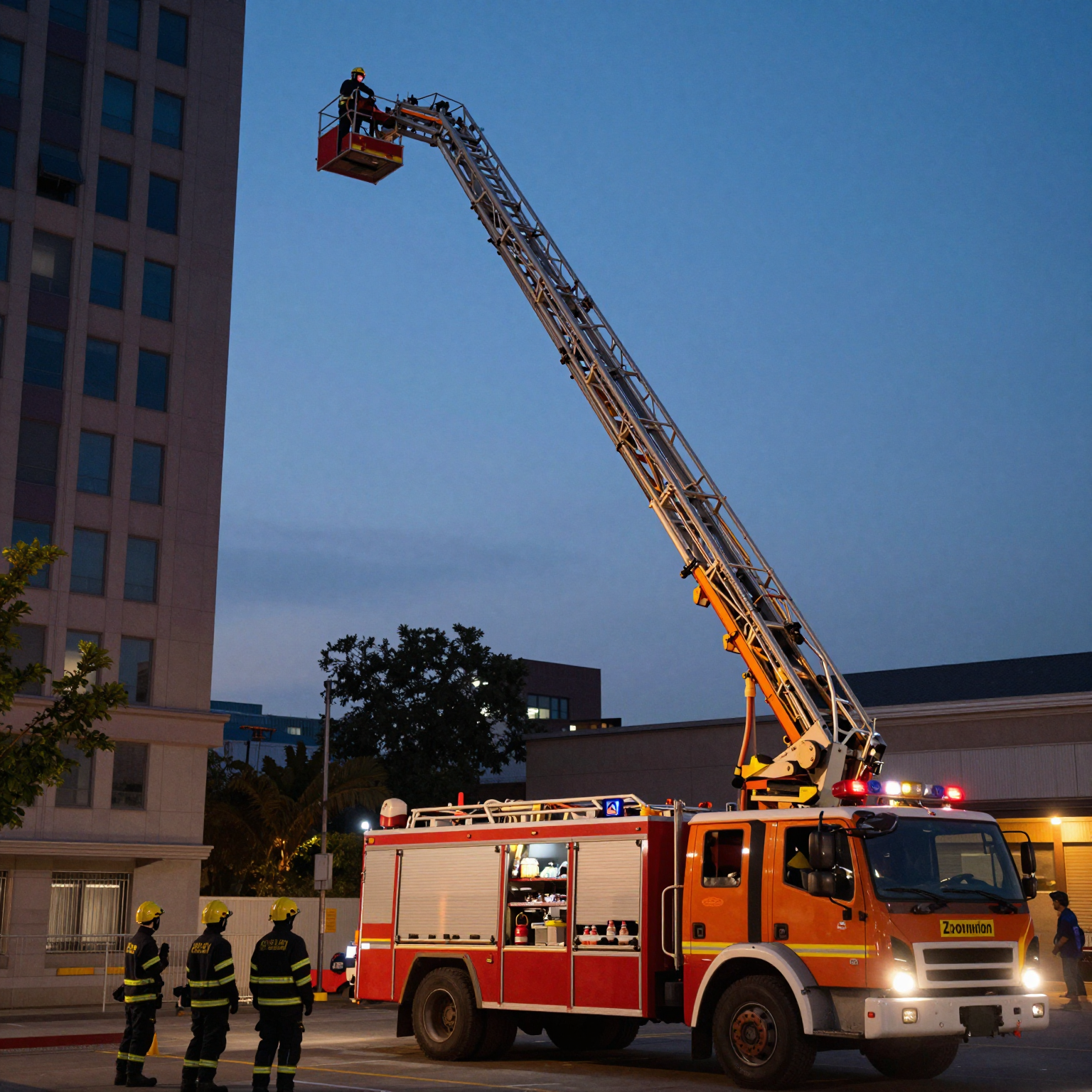
Throughout this article, we’ve laid out the case clearly. Lexington’s growing skyline – with multi-story commercial and residential buildings rising well above 80 feet – demands modern ladder trucks capable of meeting the moment. The reality is straightforward: building heights are increasing, and firefighting capabilities must keep pace.
The Three Pillars of the Argument
Let’s recap the core reasons why upgrading Lexington’s aerial ladder fleet is not just prudent – it’s essential:
1. Building Heights Demand Modern Reach
As Lexington continues to develop, new four- and five-story structures are becoming common downtown and along major corridors. Older ladder trucks with 75-foot or even 100-foot maximum reach may be insufficient for the tallest buildings, especially when angle-of-operation limitations are factored in. Modern high-reach apparatus – like the advanced ladder platforms Zoomlion provides – offer the extended vertical reach, stability, and maneuverability that today’s urban fireground demands. Without proper equipment, firefighters cannot perform effective rescue operations from upper floors, and elevated master streams cannot deliver water where it’s needed most.
2. NFPA Timelines Require Immediate Planning
The NFPA 1901 standard has shifted to a three-year revision cycle, meaning compliance requirements are evolving faster than ever. The 2024 edition introduced stricter mandates for aerial ladder stability, hydraulic system integrity, structural testing, and operator safety features. For fire departments still operating older apparatus, the window for compliance is narrowing. Waiting too long to begin the procurement process risks falling behind regulatory benchmarks – and worse, operating equipment that may not meet modern safety standards when seconds matter most.
3. Zoomlion Has the Expertise and Global Track Record
This is not a leap of faith – it’s a decision backed by proven performance. Zoomlion’s aerial ladder trucks and fire apparatus are deployed across more than 60 countries worldwide, from the high-rise districts of Riyadh to the dense urban streets of Jakarta. Our equipment meets rigorous international standards, including NFPA 1917 and EN 1809, and is supported by a comprehensive after-sales service network. When you explore our ladder trucks for sale, you’re looking at vehicles engineered for reliability, safety, and performance under the most demanding conditions. We understand the unique challenges that departments like Lexington face, and we build apparatus to meet them head-on.
The Stakes Have Never Been Higher
Every year that passes without an upgrade is a year that Lexington’s firefighters are asked to do more with less. They run into burning buildings knowing their equipment may not reach the highest floors. They make split-second decisions with tools that were designed for a different era of urban development. That is not a sustainable strategy – and it is not a safe one.
Fire departments across North Carolina are modernizing their fleets. The cities that act decisively are the ones that protect their citizens, their first responders, and their economic future. Lexington deserves to be among them.
“Every second counts in a fire. Every foot of reach matters. Lexington cannot afford to wait.”
Your Next Step
The path forward is clear. The need is urgent. And the solution is ready.
Whether you are a fire chief evaluating your department’s next aerial apparatus, a city administrator planning a capital equipment budget, or a business owner advocating for stronger fire protection in your community – the time to act is now.
Zoomlion is here to help you navigate every step of the process, from understanding NFPA compliance requirements to customizing apparatus that fits your specific operational needs. Our team brings decades of combined experience in fire apparatus design, manufacturing, and global deployment. We don’t just sell trucks – we build partnerships with the departments we serve.
Don’t wait – contact us today to discuss your needs, request a quote, or learn more about how we can support your mission to protect lives and property.
📞 Contact Information
Zoomlion Fire Apparatus Division
Website: ZoomlionGlobal.com
Phone: [Insert Phone Number]
Email: [Insert Email Address]
Address: [Insert Physical Address / Headquarters Location]
Your community depends on you. Make sure your equipment is ready to answer the call.
Frequently Asked Questions (FAQs)
As a business owner investing in fire apparatus, you naturally have questions about costs, timelines, and reliability. Below we address the most common concerns to help you make informed decisions for your fleet.
Q: How often should a fire ladder truck be replaced?
A: According to the National Fire Protection Association (NFPA), fire ladder trucks typically have a service life of 20 to 25 years, with many departments planning replacement around the 20-year mark. Factors such as usage intensity, climate conditions, and preventive maintenance quality can extend or shorten this timeline. After 15 years of service, the NFPA recommends conducting regular condition assessments – especially on structural integrity and hydraulic systems – to determine if early replacement is warranted. Investing in newer, well-maintained apparatus like those used by lexington fire dept ladder trucks nc ensures operational readiness and reduces unexpected downtime.
Q: What is the average cost of a modern aerial ladder truck?
A: Based on 2024 industry data, the average cost of a new aerial ladder truck in the United States ranges from $600,000 to $900,000, with a typical mid-sized 105-foot model averaging around $750,000. Higher-end configurations featuring extended reach, larger pump capacities, and integrated command centers can approach $1 million. While the upfront investment is substantial, modern trucks deliver better fuel efficiency, advanced safety systems, and lower long-term maintenance costs. For departments evaluating budgets, exploring σκάλες φορτηγών προς πώληση can provide a clear picture of current pricing and available configurations.
Q: How does fire apparatus quality affect my business insurance rates?
A: Fire apparatus quality is a significant underwriting factor for insurance carriers. A 2024 study by Fire Department Insurance Solutions found that departments with newer, high-quality apparatus (less than 5 years old) experienced an average 18% reduction in annual liability insurance premiums. The NFPA reports that documented preventive maintenance programs are linked to a 22% lower claim frequency related to apparatus failures. When your fleet features reliable, modern equipment – such as the models comparable to lexington fire dept ladder trucks nc – insurers view your operation as lower risk, which translates directly into more favorable premiums.
Q: What is the lead time for ordering a custom ladder truck?
A: The industry standard lead time for custom fire truck orders in North America is typically 12 to 18 months from contract signing to final delivery. This timeline includes 6-9 months for engineering and custom design approvals, followed by 6-12 months of production and quality assurance testing. Some manufacturers now offer expedited options for select configurations, reducing lead times to 9-12 months for an additional fee. To avoid long waits, business owners can browse ready-to-order πυροσβεστικά οχήματα σε πώληση or plan procurement well in advance of fleet replacement deadlines.
Q: Does Zoomlion offer service and maintenance support in North Carolina?
A: Yes. Zoomlion maintains a network of certified service partners throughout North Carolina, including locations in Charlotte, Raleigh, and Greensboro. These authorized centers offer full-service maintenance, diagnostics, warranty claims processing, and fleet management solutions for Zoomlion fire trucks. All technicians are factory-trained and equipped with real-time diagnostic tools to ensure fast, accurate repairs. Zoomlion also provides 24/7 technical assistance, spare parts sourcing, and on-site preventive maintenance programs – giving North Carolina business owners the confidence that their investment is supported every step of the way.