

















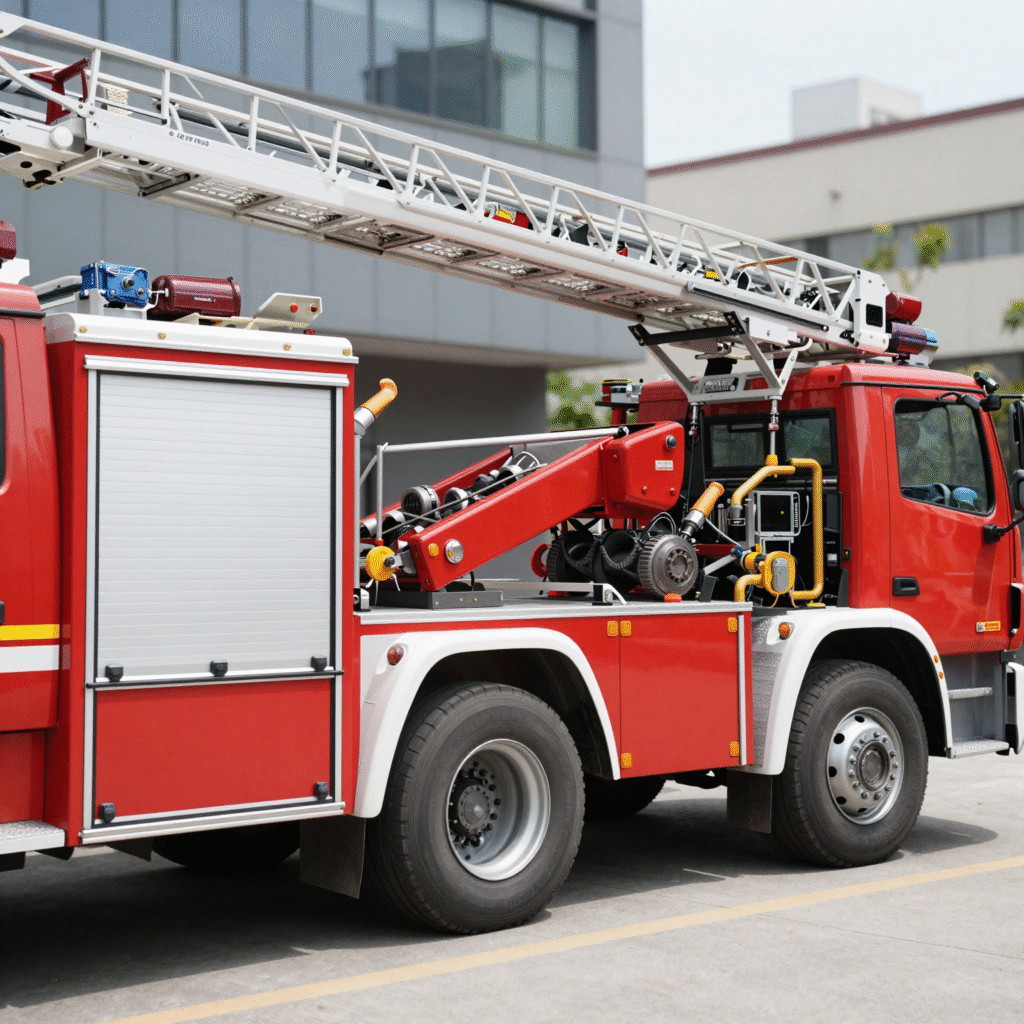
In the fire service, ladder fire truck weight is not just a number; it’s a critical factor affecting performance, safety, and operational efficiency. For fire departments, understanding the weight of these vehicles directly influences their capability to respond to emergencies, particularly in urban settings where maneuverability and stability become paramount. Excessive weight can jeopardize a truck’s center of gravity, increasing the risk of tipping when deploying the ladder, which emphasizes the necessity of balanced weight distribution in design. Furthermore, business owners must recognize how fire truck specifications, especially those related to weight, can impact compliance with local regulations and overall operational costs. Higher weight can lead to increased fuel consumption and maintenance challenges, factors that are crucial for budgeting and resource allocation. Effective weight management through advanced materials and design not only enhances performance but also significantly reduces risks during critical operations. To learn more about how fire department equipment is tailored for high-rise safety, visit our guide on ladder tower fire trucks.

When considering the weight of ladder fire trucks, several key factors contribute significantly:
- Design: The overall design and configuration impact the structural integrity and required materials.
- Materials Used: The choice between heavy metals and lightweight composites (like aluminum) can drastically alter weight.
- Equipment Carried: The weight of firefighting equipment, tools, and additional gear adds to the overall truck weight.
- Regulatory Compliance: Adhering to safety and environmental regulations often requires specific materials and designs that can influence weight.
- Technological Features: Advanced features such as hydraulic systems or communication equipment can add to the total weight.
These factors affect not only the operational efficiency of the fire truck but also maneuverability in emergency situations. For a deeper dive into fire truck designs, you can explore advanced features and public safety standards affecting operational capacity.
Comparison of Ladder Fire Truck Models
When choosing a ladder fire truck, understanding the weight and specifications of various models is critical for business owners involved in fire safety and rescue operations. Below is a comparison table highlighting the curb weights and gross vehicle weights of different ladder fire truck models:
| مدل | Curb Weight (kg) | Gross Vehicle Weight (GVW) (kg) | Chassis Brand | Traction Type | Overall Dimensions (mm) | Engine Power (HP) | Max. Height (m) | Tank Capacity (L) | Source |
|---|---|---|---|---|---|---|---|---|---|
| HOWO 12cbm Fire Rescue Ladder Truck | 16,000 | 25,000 | SINOTRUK HOWO | 6×4 | 9240 × 2480 × 3030 | Not specified | Not specified | 12,000 | Alibaba – HOWO Fire Fighting Truck |
| Sinotruk HOWO 6X4 3-Axle 42m Aerial Ladder Fire Truck | Not specified | 35,000 | SINOTRUK HOWO | 6×4 | Not specified | Not specified | 42 | Not specified | Alibaba – Sinotruk HOWO 6X4 3-Axle 42m Aerial Ladder Fire Truck |
| China Sinotruk HOWO 6X4 Fire Rescue Water and Foam Tank 18 | 15,420 | 31,370 | SINOTRUK HOWO | 6×4 | 9900 × 2500 × 3500 | Not specified | Not specified | Not specified | Alibaba – China Sinotruk HOWO 6X4 Fire Rescue Water and Foam Tank 18 |
| Sinotruk HOWO Heavy Duty 6X4 10 Wheels Aerial Ladder Fire Truck | ~10,550 | Not specified | SINOTRUK HOWO | 6×4 | ~9850 × 2500 × 3400 | 371 | Not specified | Not specified | Alibaba – Sinotruk HOWO Heavy Duty 6X4 10 Wheels Aerial Ladder Fire Truck |
Note: Weights for some models are not explicitly specified in available sources; estimates are based on similar models.
Additionally, here is a chart that visually compares the weights of these ladder fire trucks:

By reviewing this information, business owners can make informed decisions when selecting ladder fire trucks for their operations.
Implications of Fire Truck Weight on Performance
The weight of ladder fire trucks is a critical factor that significantly affects their performance, particularly regarding maneuverability, response time, and overall operational efficacy. Fire departments depend heavily on quick and efficient response to emergencies, making the weight of their apparatus a crucial consideration.
قابلیت مانور
Heavier ladder fire trucks often suffer from reduced maneuverability. In urban settings, where narrow streets and tight corners are common, a truck’s weight can hinder its ability to navigate quickly. This can be especially dangerous in emergency situations where rapid changes in direction are necessary to avoid obstacles or to position the vehicle optimally at a scene. According to a study published in the Journal of Fire Protection Engineering, excessive vehicle weight can severely hinder agility, making it difficult to execute tight turns or swift movements, which are vital during firefighting operations.
زمان پاسخ
Response time is another critical aspect affected by truck weight. Heavier trucks experience longer stopping distances and slower acceleration. Reports indicate that overloaded fire trucks can be significantly hampered in their ability to arrive at an emergency promptly (Fire Engineering Magazine). The need for quick arrival at the scene can be the difference between life and death; hence, operational efficiency is paramount.
Performance Metrics
Real-world data highlights that increased weight directly correlates with performance metrics like stopping distance, acceleration, and maneuverability. For example, a heavier vehicle requires more time and distance to decelerate, which can lead to increased risk during emergency responses. An analysis of recent studies reveals the following performance impacts as shown in the pie chart below:

نتیجهگیری
In summary, the weight of ladder fire trucks is a critical determinant of their operational effectiveness. Fire departments must carefully consider the weight of their vehicles to ensure that they maintain agility and speed during emergency operations. As technology advances, utilizing lighter materials may enhance these vehicles’ overall performance, ultimately promoting better safety and efficiency in firefighting efforts.
Understanding Ladder Fire Truck Weight Standards
Ladder fire trucks are critical assets for firefighting and rescue operations. However, the weight of these apparatuses is governed by various industry standards and regulations to ensure safety and performance. Here’s a summary of the current standards:
Key Standards and Regulations
- NFPA 1917
Updated in June 2023, the National Fire Protection Association (NFPA) standard outlines design, performance, and safety requirements for fire apparatus, including ladder trucks. It sets maximum gross vehicle weight ratings (GVWR) depending on the type of fire vehicle:
- Pumpers: Up to 30,000 lbs
- Aerials: Up to 35,000 lbs
- Tankers: Up to 30,000 lbs
These vehicles must also adhere to proper weight distribution to enhance stability during operations. Learn more about NFPA standards
- Federal Motor Carrier Safety Administration (FMCSA)
The FMCSA outlines federal weight limitations applicable to fire trucks operating commercially. A crucial guideline includes:
- Maximum GVWR of 26,000 lbs for single vehicles without hazardous materials.
- Weight distribution across axles must comply with federal regulations. Discover more FMCSA regulations
- State Regulations
Each state may have specific regulations, which can be stricter than federal standards. For example:
- California implements strict bridge formulas, mandating registration for heavier fire apparatus.
- Texas allows up to 30,000 lbs without a permit, but higher weights require special permits.
More on California DMV weight limits
Importance of Compliance
Adhering to these standards is essential not only for safety but also for legal operation. Fire departments must ensure their ladder fire trucks comply with these guidelines to avoid penalties and operational restrictions. Regular inspections and audits are recommended to maintain compliance and safety on the roads.
Visual Summary
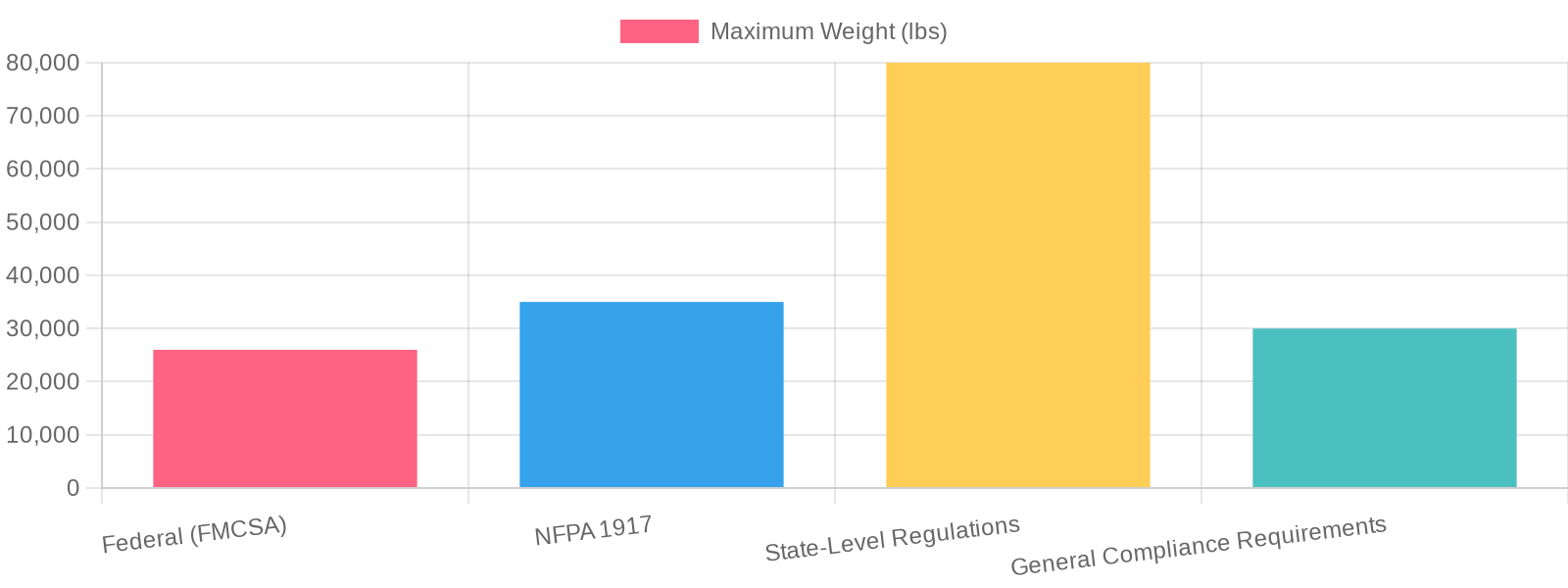
This chart (based on data from NFPA and FMCSA) illustrates the weight regulations across different jurisdictions, stressing the importance of balanced design and compliance for optimal performance.

Cost Factors Influenced by Truck Weight
The weight of a ladder fire truck significantly impacts various operational costs that business owners must consider, particularly around fuel efficiency, maintenance, and insurance premiums.
Fuel Efficiency
The lighter the fire truck, the better its fuel economy. According to the U.S. Department of Energy, for every additional 100 pounds, fuel efficiency can decrease by approximately 1-2%. This drop is notably noticeable in urban driving conditions, where trucks frequently accelerate and decelerate. A heavier truck not only consumes more fuel due to increased energy requirements but also results in more significant costs over time.
- Average Fuel Consumption Rates:
- Light trucks (less than 8 tons): 22.5 L/100km
- Medium trucks (8-12 tons): 27.3 L/100km
- Heavy trucks (12-18 tons): 34.1 L/100km
These figures underline the direct correlation between truck weight and fuel consumption.
Maintenance Costs
Increased weight leads to heightened wear and tear on essential components such as brakes and tires. Research indicates that heavier vehicles can require braking components to be replaced up to 30% sooner than lighter vehicles under similar conditions. Such rapid wear results in more frequent repairs and replacements, thus raising annual maintenance costs across the board. For example, annual maintenance can cost:
- Light trucks: $8,200
- Medium trucks: $12,600
- Heavy trucks: $18,900
Insurance Premiums
Insurance costs further reflect the weight of the truck, where heavier vehicles often carry higher premiums. They present greater risk in accidents due to their size and the potential damage they can inflict, with insurance premiums estimated to rise by 10-15% for trucks weighing over 500 lbs compared to lighter vehicles.
In conclusion, understanding the financial implications of a ladder fire truck’s weight can help business owners make informed decisions about their fleet’s efficiency and costs. Learn more about ladder fire truck specifications and how to optimize performance.
The Importance of Ladder Truck Weight in Fire Services
Understanding the weight of ladder trucks is crucial for their effective operation in firefighting scenarios. Fire departments must consider the gross weight and distribution of the vehicle to ensure stability, especially when the aerial ladder is extended. Excessive or uneven weight can increase the risk of rollover, which jeopardizes not only the vehicle but also the lives of the firefighters and the public.
“The weight of a ladder truck is critical to its operational safety. Proper weight management is essential for preventing tipping and maintaining effectiveness during high-risk operations, particularly in urban environments where space is limited.” – National Fire Protection Association
This emphasis on weight is reflected in standards set forth by organizations such as the NFPA, which govern the design and performance of fire apparatus. Compliance with these standards ensures that fire departments are equipped with ladder trucks that can handle the demands of emergency situations.
Key Considerations for Business Owners:
- Vehicle Stability: Understand how a ladder’s weight affects its maneuverability and stability during operations.
- Operational Readiness: Ensure that your fire apparatus adheres to weight standards for effective performance in emergencies.
For more on how truck specifications impact fire safety, check out our article on ladder truck safety guidelines.
Image: Ladder Fire Truck in Action


This chart illustrates the average fuel consumption for different types of fire trucks, highlighting that heavier trucks generally have higher fuel consumption rates, indicating a decrease in fuel efficiency as weight increases. The data suggests a 10% increase in weight results in approximately a 6.5% decrease in fuel efficiency. For business owners, understanding this relationship can inform decisions about fire truck purchases and operational costs.
-
Light Duty Fire Truck (e.g., urban response):
-
Average Weight: ~12,000 kg
-
Average Fuel Consumption: 35.0 L/100 km
-
Medium Duty Fire Truck (e.g., ladder truck):
-
Average Weight: ~18,000 kg
-
Average Fuel Consumption: 42.5 L/100 km
-
Heavy Duty Fire Truck (e.g., pumper-tanker):
-
Average Weight: ~25,000 kg
-
Average Fuel Consumption: 50.0 L/100 km
This information is crucial for understanding cost implications and fuel management strategies in fire truck operations.
In conclusion, understanding the weight of ladder fire trucks is essential for business owners involved in firefighting and emergency services. Having this knowledge not only helps in selecting the right equipment for specific operational needs but also ensures compliance with road safety regulations and optimal resource management. As we’ve explored, overloading a fire truck can lead to severe consequences, affecting response times and operational efficiency, and potentially risking lives during emergencies.
We encourage you to take the next step in equipping your team with the right fire truck solutions. If you’re looking for detailed quotes or expert support in choosing the right ladder fire truck for your operations, contact us today for personalized assistance and to explore our range of ladder fire trucks designed for various firefighting scenarios. Don’t wait until it’s too late; ensure your safety and effectiveness on the field.