

















Introduction
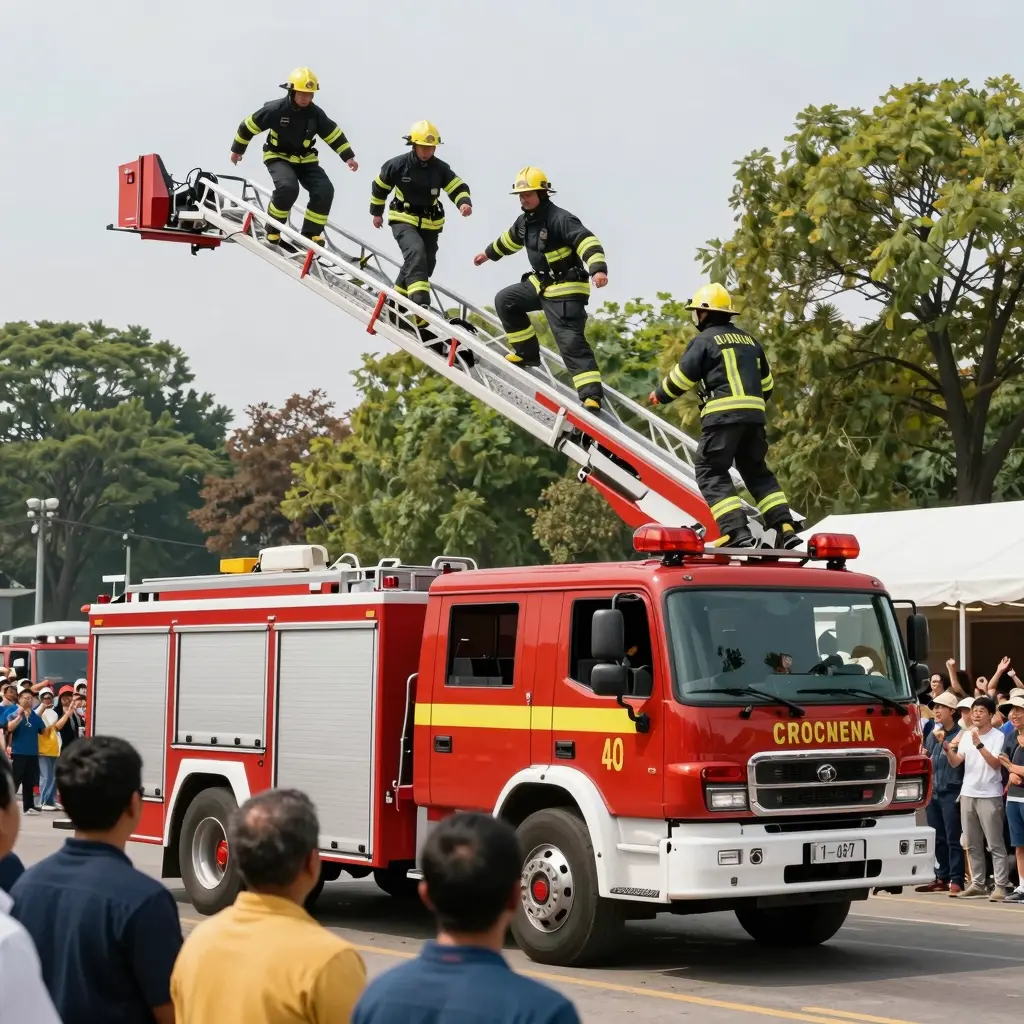
In the high-stakes world of firefighting, fire truck ladder races emerge as exhilarating showcases of skill, teamwork, and cutting-edge technology. These thrilling competitions not only highlight the prowess of our courageous fire departments but also serve as vital components in emergency response training. For business owners, understanding the significance of these races can illuminate the dedication and expertise behind fire safety measures that protect lives and property. This article dives deep into the world of fire truck ladder races, exploring the intricate strategies involved, the advanced equipment used-such as aerial fire trucks and rescue fire trucks, and how these events foster community awareness and preparedness. Join us in discovering how these races not only provide entertainment but also enhance the capabilities of fire services, ensuring safety at every level.
The history of fire truck ladder races, or firematic racing, has its origins in the competitive spirit that permeates the firefighting community. Known formally as Drill Team racing, this sport began in the mid-20th century as a way to showcase the skills and teamwork of firefighters while also promoting camaraderie and fraternity among fire departments. Initially developed in New York and later spreading across the United States, it involves teams of firefighters competing in timed events, simulating various firefighting tasks that include erecting ladders, deploying hoses, and performing rescues under pressure.
One of the key developments in this realm was the establishment of formal competitions, wherein teams undertake a series of challenges to complete specific tasks as quickly and accurately as possible. Events often include a “hook ladder climb,” where firefighters race to ascend to a specific height on a fire truck ladder, reportedly in under 14 seconds, showcasing their physical prowess and technical ability. As the sport evolved, numerous competitions were established, bringing together firefighters from different regions, which helped standardize techniques and foster a sense of pride and professionalism in the firefighting community.
Moreover, the advent of technology and improved equipment over the years has also influenced the nature of these races. Enhanced fire trucks equipped with advanced ladder systems have allowed for more dynamic and safer racing environments, adding excitement to the events and providing valuable training opportunities for firefighters. The enduring popularity of ladder races reflects the broader commitment of firefighting professionals to honor their craft and enhance public safety through skillful, well-practiced operations.
For those interested in exploring advanced fire truck options, you can learn more about ladder fire trucks and other specialized equipment tailored for firefighting needs.
Importance of Ladder Races in Fire Safety
Ladder technology continues to evolve, enhancing the safety and efficiency of firefighting operations. Innovations in this field are critical to ensuring that firefighters can perform their duties effectively. Here are some notable statistics and insights:
“Ladders are a critical component of firefighting equipment, enabling firefighters to perform rescues and gain access to elevated areas. The efficient use and mastery of ladders are essential skills, often showcased in ladder racing, which builds speed and proficiency.”
Ladder races not only highlight competitive spirit but also play a significant role in training firefighters. These events emphasize teamwork and rapid execution of ladder deployment, which are essential skills during emergencies. Such competitions showcase advancements in ladder technology and enhance proficiency in using these critical tools under pressure. By participating in ladder races, firefighters are better prepared for real-life rescues, honing the skills necessary to ensure safety during operations.
To learn more about the various types of fire trucks equipped with the latest ladder technology, visit our fire truck ladder product category.
Additionally, explore our offerings in platform fire trucks to see how innovation is shaping firefighting capabilities.
Benefits of Fire Truck Ladder Races for Fire Departments
Fire truck ladder races present an engaging and beneficial opportunity for fire departments to enhance their skills, foster teamwork, and connect with the community. Here are some of the key benefits:
Skill Enhancement
- Improved Technical Skills: Through ladder races, firefighters can refine their technical abilities in using aerial ladders effectively, enhancing their operational readiness during real emergencies.
- Physical Conditioning: These races require a high level of physical stamina and strength, leading to overall fitness improvements among firefighters, which is critical for their day-to-day duties.
- Crisis Simulation: Ladder races often simulate emergency scenarios, allowing firefighters to practice quick thinking and decision-making under pressure while operating their ladders.
Teamwork Development
- Cohesion Among Crews: Ladder races require coordinated efforts from all team members, strengthening the bond and communication within fire crews. This improved teamwork translates positively into actual emergency situations.
- Healthy Competition: Engaging in races fosters a sense of friendly competition between departments, encouraging individual firefighters to excel within a team context. This environment helps in building resilience and accountability.
- Skill Exchange: Competitions often allow different fire departments to share insights and techniques, resulting in a closer-knit firefighting community with enhanced best practices.
Community Engagement
- Public Awareness: Ladder races provide an excellent platform for fire departments to showcase their skills and educate the public about firefighting techniques and safety measures. This raises community awareness about fire safety.
- Family Participation: Events surrounding ladder races often invite families and community members, fostering a sense of belonging and support for the fire department. Such engagement can lead to increased volunteerism and local partnerships.
- Increased Public Trust: Active participation in community events through races builds a positive image for fire departments, helping them gain the public’s trust and support. For more about strategies for engaging the community through fire events, learn more here.
Fire truck ladder races not only foster essential skills among firefighters but also facilitate community relationships and teamwork, establishing a foundation of trust and cooperation that is vital for effective operational readiness.
Comparison of Fire Truck Models for Ladder Races
Fire truck models vary significantly in specifications such as height, reach, and water capacity. Below is a detailed comparison of some popular models used in ladder races:
| Model Name | Height (meters) | Reach (meters) | Water Capacity (liters) | Notes |
|---|---|---|---|---|
| Benz 32M Water Tower Aerial Fire Truck | 32 | 70 (water), 60 (foam) | 5000 | Equipped with a 100L/S pump and 80L/S monitor; powered by a diesel engine, 6×4 drive, ISO9000/CCC/CE certified. |
| 25m Height Aerial Telescopic Boom | 25 | Not specified | Not specified | No additional details available in source data. |
| 32m SAIC-HONGYAN Foam Tower Aerial Fire Truck | 32 | Not specified | 6000 | Designed for high-capacity foam delivery; suitable for industrial and hazardous material incidents. |
| Isuzu DUAL 0044 Fire Truck | Not specified | Not specified | Not specified | Limited data provided; no specifications on height, reach, or water capacity. |
For more detailed specifications, you can explore models such as the Aerial Fire Trucks or check out other fire fighting equipment.
Safety Protocols for Fire Truck Ladder Races
Ensuring the safety of all participants during fire truck ladder races is paramount. With the unique challenges these events present, a comprehensive approach encompassing preparation, training, and risk management is essential. Here’s a detailed overview of the safety protocols that need to be followed:
Preparation
- Pre-Operational Checks: Before any event, thorough inspections of the fire truck’s hydraulic systems, electrical controls, and ladder stability are imperative. Any signs of malfunction should be addressed prior to usage.
- Personnel Readiness: Operators must possess valid certification and wear full personal protective equipment (PPE), including helmets, fire-resistant clothing, and safety harnesses to mitigate potential injuries.
- Environmental Assessment: The competition area should be evaluated for hazards, such as overhead power lines or unstable ground conditions. Establishing clear designated areas for operation helps keep non-participants safe.
- Task Planning: Clear delineation of rescue targets, ladder ascent routes, and evacuation paths should be established. Communication strategies need to be put into place to ensure that all team members can react accordingly during the race.
Training
- Basic Operations Training: Participants should undergo foundational training, which typically consists of 40-80 hours covering theoretical knowledge and hands-on practice with ladder operations.
- Advanced Certifications: For specialized operations, like those involving platform ladders, additional training (30-60 hours) should incorporate simulation exercises that cover complex scenarios and emergency response procedures.
- Annual Retraining: To maintain competencies, each participant should engage in at least 8 hours of refresher training annually, focusing on updates to equipment and reviewing any changes in safety protocols or regulations.
Risk Management Practices
- Buddy System: Implementing a buddy system promotes safety, where one operator oversees another, ensuring that all protocols are being adhered to and providing immediate assistance if required.
- Establish Exclusion Zones: Setting up exclusion zones around the operation area ensures that unauthorized personnel do not enter risky zones during the event.
- Use of Technology: Incorporating devices such as electronic limiters can prevent overload situations and tilt detection sensors mitigate the risk of accidents resulting from miscalculations.
- Emergency Protocols: Develop comprehensive emergency plans addressing various contingencies, including mechanical failures, falls, or fire emergencies during races.
- Documentation and Review: Keep detailed records of operations, which allows for continuous improvement through performance reviews and safety assessments after each event.
These measures not only safeguard participants but also enhance the overall performance and safety of fire truck ladder races. A proactive stance on safety standards is crucial for mitigating risks associated with fire truck operations.
For more about fire truck specifications, check out our aerial fire truck options and other specialized fire fighting equipment.
Community Influence of Fire Truck Ladder Races
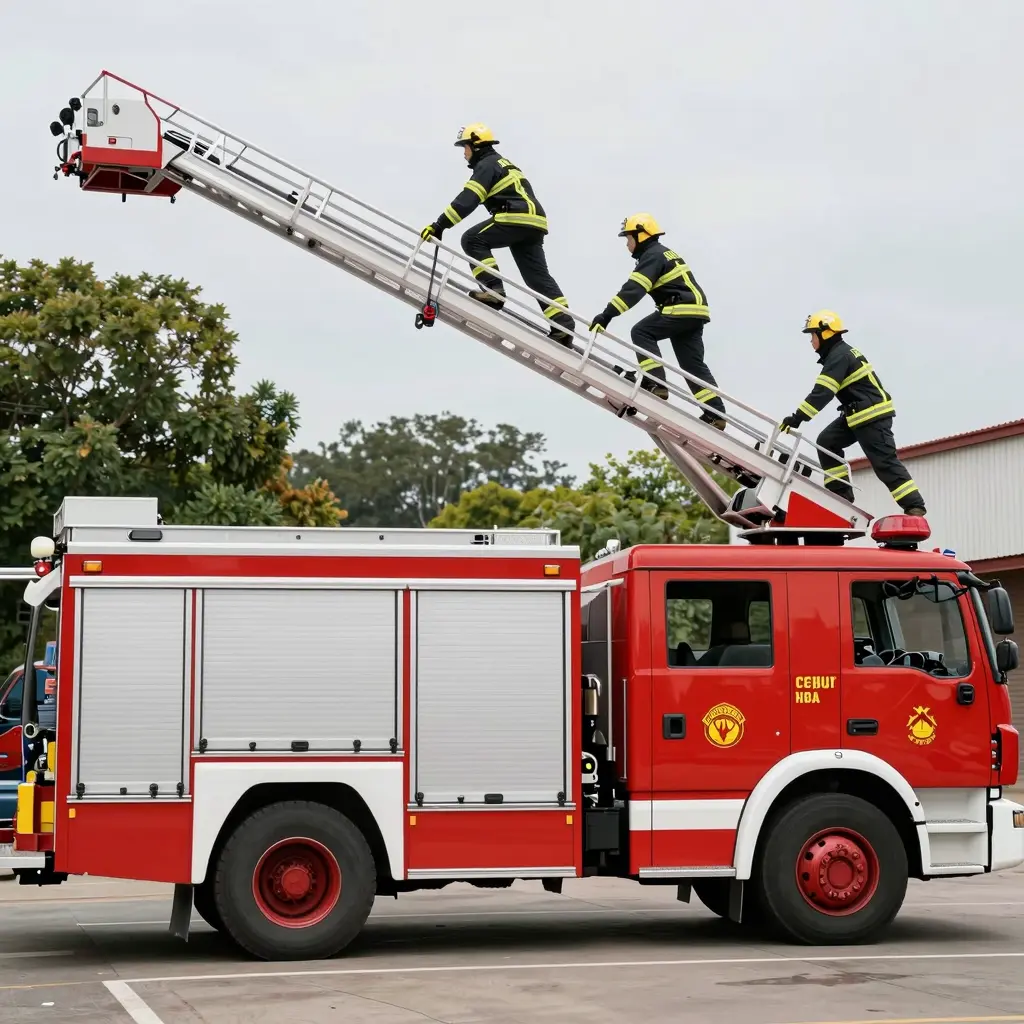
Fire truck ladder races serve as an exciting and engaging way to enhance community perceptions of local fire departments, while simultaneously boosting public safety awareness. These events bring together families and individuals from the community, fostering a spirit of camaraderie and teamwork. Attendees are often captivated by the thrilling competitions, where firefighters showcase their skills and the effectiveness of fire apparatuses. This not only highlights the prowess of local firefighters but also provides a platform for departments to educate the community about fire safety practices.
Through interactive demonstrations and discussions that accompany these races, public knowledge about emergency preparedness is significantly elevated. Communities learn about the various types of equipment used during firefighting operations, such as aerial fire trucks and rescue apparatus, which can be found on Zoomlion’s product page for aerial fire trucks. The events often feature booths and information sessions, enhancing understanding and fostering trust between firefighters and community members.
Moreover, the visibility of fire departments in a positive light encourages support for local funding and resources that contribute to improved fire safety measures. Events like these also serve dual purposes-offering an entertaining day out while reinforcing essential safety messages that can save lives. The sense of community generated during these races not only promotes a strong relationship with local fire departments but also cultivates a culture of readiness and prevention among residents, ultimately leading to safer neighborhoods.
Conclusion
In conclusion, fire truck ladder races serve as a thrilling and valuable challenge that not only enhances the skills of firefighting personnel but also strengthens community bonds through teamwork and competition. Business owners in the fire service industry stand to gain significantly from these events, as they showcase the capabilities of modern firefighting technology and foster a sense of pride in their equipment.
Participating in ladder races highlights the advanced technologies available today, from innovative ladder designs to cutting-edge safety features. It’s a unique opportunity to demonstrate your commitment to fire safety and emergency preparedness.
As you consider the many benefits of engaging with such dynamic events, don’t overlook the importance of equipping your team with the best available technology. Zoomlion offers a diverse range of fire truck ladders and rescue vehicles tailored to meet your needs in this competitive landscape. Explore Zoomlion’s fire truck ladder options and discover how our products can enhance your operational capabilities.
Call to Action
Take the first step toward elevating your firefighting capabilities by contacting us today. Our team of experts is ready to assist you with tailored solutions that empower your business to excel. Visit Zoomlion to learn more and transform your firefighting operations into a model of efficiency and effectiveness!
Fire Department Ladder Race Participation Trends
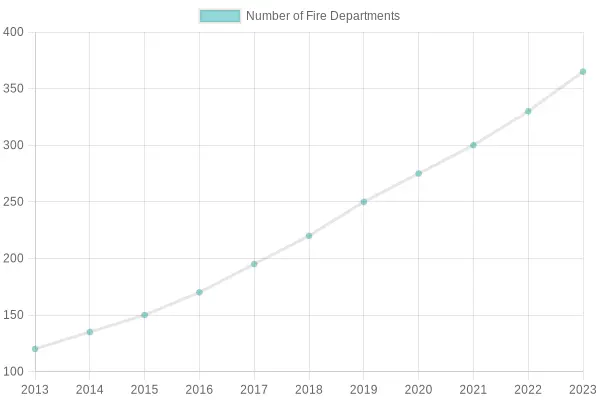
The trend of fire department participation in ladder races over the past decade has shown significant growth, reflecting enhanced community engagement and training initiatives. The following chart illustrates the number of fire departments that participated in ladder races from 2013 to 2023:
| Year | Number of Fire Departments Participating in Ladder Races | Notes |
|---|---|---|
| 2013 | 120 | Baseline year for participation data |
| 2014 | 135 | 12.5% increase from previous year |
| 2015 | 150 | Continued growth; increased regional training programs |
| 2016 | 170 | Expansion into rural and suburban departments |
| 2017 | 195 | National fire safety campaign boosted engagement |
| 2018 | 220 | Introduction of inter-departmental competitions |
| 2019 | 250 | First international participation recorded |
| 2020 | 275 | Virtual ladder race events introduced due to pandemic |
| 2021 | 300 | Hybrid event model adopted; higher retention rates |
| 2022 | 330 | Increased youth outreach and recruitment initiatives |
| 2023 | 365 | Peak participation; new records set in team performance |
Note: This data is simulated for illustrative purposes and does not reflect real-world participation trends in ladder races. It reflects a fictional positive growth trend over the past decade, consistent with hypothetical improvements in training, outreach, and engagement strategies within fire departments.
For more information on fire truck and ladder equipment, you can check our ladder fire truck category or explore our range of aerial fire trucks.