


















In the dynamic realm of firefighting, the efficiency of operations hinges on several critical factors, one of which is the turning radius of aerial fire trucks, especially those stretching 43 feet in length. With urban environments becoming increasingly congested, understanding the turning radius has never been more crucial. Aerial fire trucks must weave through narrow streets, tight corners, and unexpected obstacles at a moment’s notice. For business owners responsible for fire service operations, grasping how this metric influences maneuverability can lead to improved response times, enhanced safety, and better planning during emergencies. By prioritizing vehicles with optimal turning capabilities, fire departments can effectively position their resources where they are needed most-saving lives and property in the process. To delve deeper into the specifications of fire trucks, consider checking out the benefits of aerial ladder trucks and how they meet complex urban needs.
Understanding Turning Radius in Aerial Fire Trucks
Turning radius is a critical factor in the design and operation of aerial fire trucks, especially those spanning approximately 43 feet. In firefighting contexts, particularly in urban areas with narrow roads, this measurement can significantly influence a vehicle’s maneuverability and overall effectiveness.
What is Turning Radius?
In simple terms, the turning radius is the smallest circular turn that a vehicle can make. For aerial fire trucks, this is determined by the design of the truck, including its wheelbase, steering capabilities, and overall dimensions. A smaller turning radius allows fire trucks to navigate tight corners and congested roadways more efficiently, making it easier to access emergency scenes quickly. This becomes especially crucial in urban areas where space is limited, as highlighted by resources like 소방 장비 잡지.
Importance in Urban and Rural Firefighting
-
Urban Firefighting:
In cities, aerial fire trucks must maneuver through narrow streets and around obstacles such as parked cars and debris. A reduced turning radius enhances their ability to position themselves optimally for rescue and firefighting activities. This capability can drastically improve response times, as quicker access to a scene can mean the difference between life and death. -
Rural Firefighting:
Although rural areas tend to have wider roadways, aerial trucks may still face challenges such as winding roads and unpaved paths. In such scenarios, a capable turning radius is vital for effectively navigating these less structured environments. According to NFPA guidelines, maintaining appropriate roadway dimensions and turning radii are crucial for allowing fire services to reach remote locations swiftly.
결론
The turning radius of aerial fire trucks is not merely a technical specification; it plays a vital role in real-world firefighting operations. By ensuring that aerial ladders can navigate effectively through various environments, fire departments can enhance their overall efficiency and effectiveness in emergency responses. This characteristic is one of several factors that business owners should consider when investing in fire apparatus, as highlighted through various resources from 줌리온.
By understanding and optimizing the turning radius of aerial fire trucks, stakeholders in emergency services can ensure timely and effective interventions in both urban and rural firefighting scenarios.
| Feature | Pierce Ascendant | E-ONE HP 100 | SANY Group | Rosenbauer |
|---|---|---|---|---|
| Maximum Height (m) | 32.0 | 32.0 | 34.0 | 36.0 |
| Turning Radius (m) | 7.5 | 8.0 | 9.0 | 7.0 |
| Weight Capacity (t) | 18.0 | 17.5 | 20.0 | 19.0 |
| Engine Power (hp) | 450 | 425 | 460 | 475 |
| Water Tank Capacity (L) | 2000 | 1800 | 2200 | 2500 |
| Pump Flow Rate (L/s) | 60 | 55 | 65 | 60 |
| 인증 | ISO9001, CCC, CE | ISO9001, CCC, CE | ISO9001, CCC, CE | ISO9001, CCC, CE |
| Origin | USA | USA | China | Austria |
Note: Data sourced from official manufacturer websites and product specifications as of April 2026. Turning radius is measured at full steering angle under standard conditions. Weight capacity refers to gross vehicle weight rating (GVWR).
For a more detailed discussion on the importance of these specifications and how they influence firefighting capabilities, you can learn more about aerial fire trucks or explore technical specifications of different models for your business needs.
Influencing Factors of Turning Radius for Aerial Fire Trucks
When evaluating the turning radius for a 43-foot aerial fire truck, several critical factors come into play. Understanding these factors can assist business owners in making informed decisions during the purchase and deployment of these essential vehicles.
휠베이스
The wheelbase of a fire truck refers to the distance between the front and rear axles. A longer wheelbase typically enhances vehicle stability, especially during high-speed maneuvers. However, it often results in a larger turning radius. Conversely, a shorter wheelbase can provide greater maneuverability, allowing for sharper turns but might compromise stability.
Axle Configurations
Axle configurations are crucial in determining how a fire truck performs in various scenarios. Common configurations include:
- Single Axle: Generally offers a tighter turning radius, ideal for urban environments where maneuvering in confined spaces is essential.
- Twin Axles or Tandem Axles: Provide enhanced load-bearing capacity but usually result in a larger turning radius. This configuration is common in larger aerial fire trucks that require stability for extending ladders.
Design Considerations
Business owners should also consider specific design elements that can influence the turning radius. These include:
- Chassis Design: The overall shape and length of the truck’s chassis can affect its turning capabilities.
- Rear Axle Position: A rear axle positioned closer to the center of the vehicle can help reduce the turning radius.
- Steering Mechanism: Advanced steering systems may allow for better maneuverability, reducing the effective turning radius.
For more about fire truck designs, check out Fire Apparatus Design: A Step-By-Step Guide 그리고 Understanding Fire Truck Turn Radius.
Summary
In conclusion, the turning radius of aerial fire trucks is influenced by a range of factors, including wheelbase, axle configurations, and specific design considerations. Business owners must take these elements into account when selecting their fire trucks, ensuring optimal performance in emergency response situations.
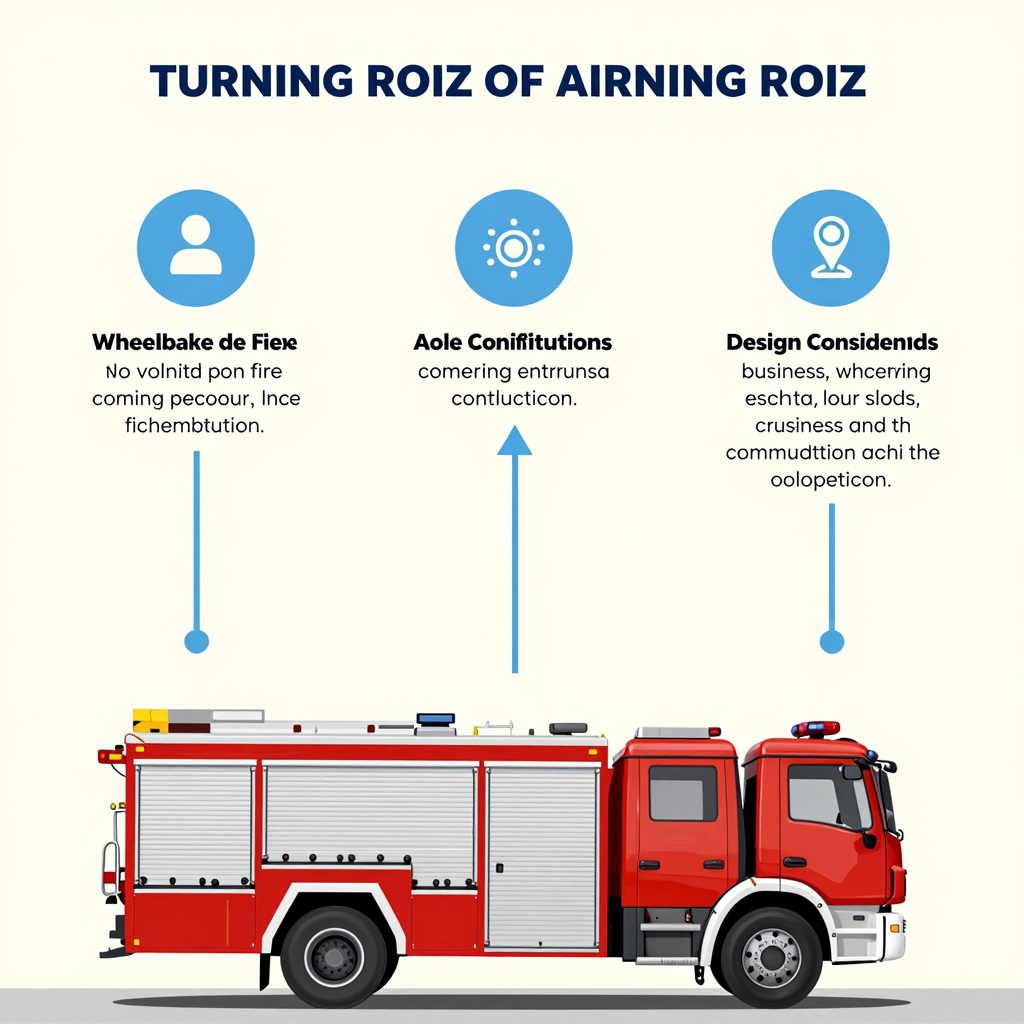
Additionally, the following chart outlines the turning radius specifications for a typical aerial fire truck:
| Measurement Type | Value | Notes |
|---|---|---|
| Inside Turning Radius | 24 feet 5 inches | Measured from the inside of the turn; specific to Ladder 7 model |
| Curb-to-Curb Turning Radius | 40 feet | Based on a 9.00 inch curb; actual angle may vary with specialized options |
Overall, understanding these factors can significantly impact the operational efficacy of fire services.
Aerial Fire Truck Turning Radius
The turning radius of a fire truck is a critical aspect that affects its maneuverability in tight spaces. When considering a 43-foot aerial fire truck, the average turning radius generally ranges from approximately 43 feet 2 inches to up to 50 feet, depending on specific design and structural configurations. This capability allows fire trucks to navigate through narrow streets and crowded urban environments efficiently.
Fire departments rely on these specifications to ensure that their vehicles can access various locations, particularly during emergencies. Selecting the right fire truck involves considering these turning capabilities to maximize effectiveness in rescue situations.
For more detailed specifications on fire truck turning radii, check out this helpful article on fire truck specifications or learn how fire apparatus maneuverability impacts emergency responses.

Real-Life Applications of Turning Radius in Firefighting
The turning radius of a fire truck is a critical design consideration that can greatly influence the effectiveness of firefighting operations. In real-life situations, a sufficient turning radius can mean the difference between life and death. Below are some notable case studies and examples showcasing the impact of turning radius in real firefighting scenarios.
Case Study 1: Urban Fire Response in San Francisco
In a dense urban environment like San Francisco, where streets are narrow and often filled with parked cars, the turning radius of fire trucks is paramount. The San Francisco Fire Department has invested in aerial fire trucks that feature a smaller turning radius, allowing them to navigate through tight city streets efficiently. This capability enables firefighters to reach emergency sites faster and more effectively, ultimately reducing the rescue time and minimizing property loss.
Case Study 2: Rural Area Challenge
Conversely, rural areas often face their own unique challenges. A fire department in a less populated area reported a case where a standard fire truck with a larger turning radius struggled to reach a fire site due to winding roads and sharp turns. This limitation delayed the response time, leading to significant property damage. The fire department responded by reassessing their fleet and investing in vehicles with optimized turning radii that could handle the geographical constraints better, subsequently improving their response effectiveness.
Importance of Proper Training and Infrastructure
It’s not just the vehicles that matter; proper training for firefighters on maneuvering techniques in vehicles with larger turning radii is also essential. Fire departments must ensure that their personnel are adept at operating these vehicles under various circumstances, especially in high-pressure situations where every second counts.
결론
A well-designed fire truck with an appropriate turning radius is crucial for effective firefighting operations. By enabling better maneuverability in both urban and rural settings, these vehicles enhance the ability of fire departments to respond swiftly and save lives. For businesses looking to ensure safety, investing in aerial fire trucks designed for optimal maneuverability can greatly increase overall safety standards in fire prevention and response strategies.
To explore various models of fire trucks with specialized turning radii, you can learn about fire ladder trucks available in the market to find the right fit for your needs.
Key Benefits of Understanding and Optimizing the Turning Radius for Aerial Fire Trucks
Understanding and optimizing the turning radius of a 43-foot aerial fire truck offers numerous benefits specifically for business owners. Here are some key advantages:
-
Improved Safety: Accurate knowledge of the turning radius helps ensure that aerial fire trucks can navigate tight spaces without endangering people or property.
-
Enhanced Maneuverability: Businesses situated in urban areas can significantly benefit from optimized turning radii, allowing fire trucks to reach locations quickly and efficiently during emergency situations.
-
Efficient Response Times: Quick access to emergency sites is crucial. A well-optimized turning radius can lead to faster response times, ultimately saving lives and assets.
-
Better Resource Allocation: Understanding the maneuverability of your fire apparatus allows for strategic deployment of resources, ensuring that the right equipment arrives where it is needed most.
-
Compliance with Safety Regulations: Knowledge of turn radius specifications can help companies adhere to safety standards and regulations, minimizing liabilities and promoting safety within the community.
For further details on fire truck specifications and capabilities, check out Fire Ladder Truck Specifications and learn more about why every business needs a fire truck ladder.
Firefighting Response Times and Vehicle Maneuverability Statistics
Understanding firefighting response times is crucial for business owners, particularly those who rely on aerial fire trucks for safety compliance and emergency readiness. Recent statistics provide a clear picture of the current state of fire services, including operational response metrics.
Firefighting Response Times
According to a report from the UK Government, the average response time to primary fires in England for the year ending March 2023 was 9 minutes and 13 seconds, reflecting an increase of 23 seconds compared to the previous year. This data highlights not only the effectiveness of the fire services but also the pressures they face, such as budget cuts impacting resources and, consequently, response capabilities. Additionally, the Emergency Medical Services, Fire and Enforcement Statistics 2023 from Singapore show a decrease in EMS calls, indicating different challenges in urban settings.
Furthermore, it is noteworthy that the median turnout time for fire calls, as reported by the ESO Fire Service Index, shows an impressive average of 1 minute and 12 seconds, which underscores the critical importance of rapid response in firefighting effectiveness.
The Role of Vehicle Maneuverability
The maneuverability of firefighting vehicles is another significant factor influencing response times. For example, a 43-foot aerial fire truck is designed to navigate tight spaces in urban environments, where quick turns are essential in emergencies. The turning radius of such trucks can greatly affect their ability to reach emergencies quickly, particularly in crowded areas.
Businesses should be aware that investing in modern aerial fire trucks can augment response efficacy by accommodating the needs for better maneuverability and quicker access to emergencies. Understanding these metrics can help business owners make informed decisions regarding investing in safety equipment like fire trucks accurately designed for challenging environments.
Summary Chart
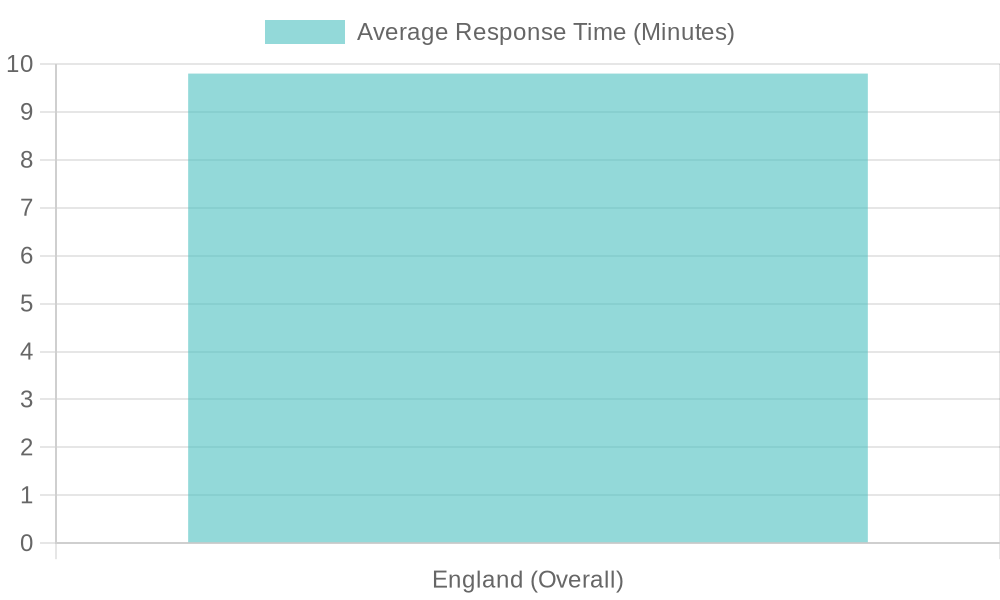
Here is an illustration of average response times in England and the turnout times expected compared to regulatory benchmarks:
| 범주 | Average Response Time (Minutes) | Change from Previous Year |
|---|---|---|
| England (Overall) | 9.8 | +0.3 minutes (increase) |

| Type | Value (minutes) | Description |
|---|---|---|
| Median First Apparatus Turnout Time | 2.5 | Based on NFPA standards and actual analyses. |
| Actual Median First Apparatus Time | 2.5 | Actual statistics from various fire departments. |
For further insights, you can learn more about our aerial fire trucks designed to optimize safety and effectiveness.
The Importance of Vehicle Maneuverability in Firefighting
When it comes to firefighting operations, the turning radius of a fire truck is a critical factor that influences the effectiveness of response times and safety. According to industry experts, a minimum turning radius of at least 45 feet is often necessary for large apparatus like aerial fire trucks. This size enables fire trucks to maneuver effectively around tight corners and urban environments, ensuring they can reach emergencies swiftly and safely.
As outlined in the article from Fire Rescue Truck, jurisdictions often require turning radii ranging from 28 to 50 feet, depending on local regulations and the specific type of fire truck being used. In urban settings where hurdles are more prevalent, the significance of this maneuverability cannot be overstated; as a notable expert stated,
“A fire truck’s ability to navigate tight spaces can be the difference between life and death during an emergency response.”
Understanding these specifications is vital for business owners involved in construction or managing properties that require compliance with emergency service access. Ensuring adequate space can not only facilitate safer navigation for fire trucks, but also enhance overall emergency response effectiveness.
For more insight into how these specifications can impact your business, check out our guide on ladder fire trucks and their importance.
결론 및 행동 촉구
Understanding the turning radius of your fire trucks is not just about vehicle specifications; it directly impacts operational efficiency and safety. For business owners, knowing how a 43-foot aerial fire truck maneuvers within tight urban spaces can determine the effectiveness of emergency responses. As highlighted, several guidelines and studies indicate that a minimum turning radius of up to 50 feet is essential for aerial operations, ensuring that trucks can navigate swiftly and safely during emergencies. This critical knowledge can also guide your facility’s design, ensuring access for fire apparatus, while adhering to NFPA and local regulations.
Incorporating this knowledge into your business strategies can save lives, protect properties, and ensure a timely response to emergencies. Don’t wait until it’s too late-ensure that your operations can accommodate these essential requirements. If you’re ready to enhance your fleet with smart, efficient, and compliant aerial fire trucks, contact Zoomlion today for expert guidance. Let us help you invest in safety and preparedness for the unpredictable challenges ahead. Remember, being proactive today means saving lives tomorrow!