


















The Importance of Ladder Mounting Brackets for Horizontal Fire Trucks
In the high-stakes world of firefighting, every second counts, and the equipment used must meet rigorous standards of safety and efficiency. One critical component in the arsenal of firefighting technology is the ladder mounting brackets for horizontal fire trucks. These brackets do more than simply hold ladders in place; they ensure that firefighting teams can access elevated areas quickly and securely in emergencies, enhancing response times and overall operational effectiveness.
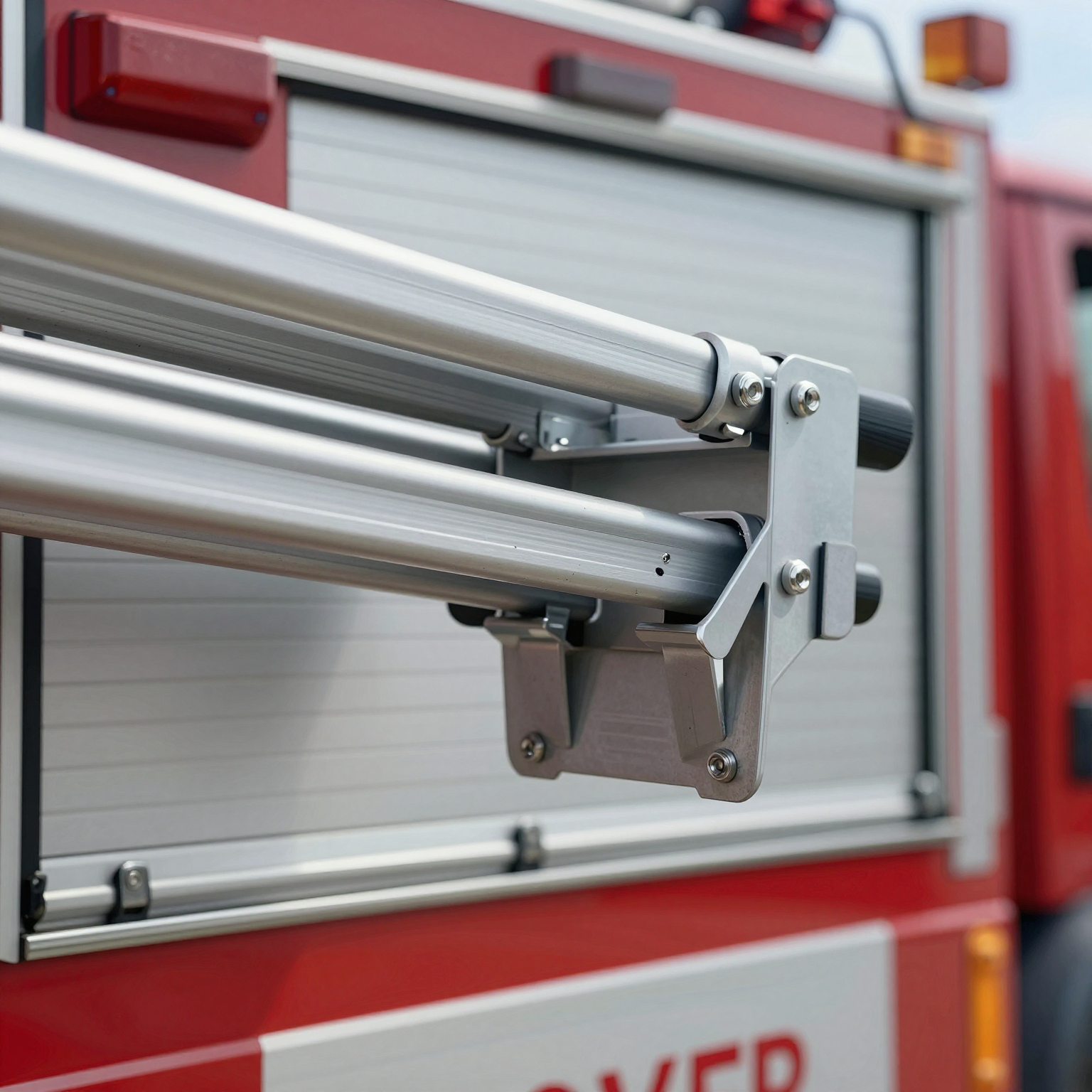
Firefighting operations often involve navigating challenging environments, where swift access to a fire scene is paramount. The ability to deploy a ladder efficiently can mean the difference between life and death. Ladder mounting brackets are designed to be robust, providing structural integrity to the ladders as they are transported and deployed. They keep ladders securely mounted during transit, reducing the risk of accidents that can arise from improperly secured equipment.
Moreover, the customization of ladder mounting brackets allows for adaptability on various horizontal fire truck models, enabling businesses to maximize their firefighting capabilities. Investing in high-quality brackets not only improves safety but also reflects a commitment to maintaining the integrity of firefighting efforts. Owners of fire-related businesses must recognize that efficient equipment leads to effective firefighting and, ultimately, to saving lives.
To explore more about why every business needs a fire truck ladder truck, visit our detailed guide hier. Additionally, you can discover the specific benefits that come with the right ladder mounting brackets by checking our offerings at Zoomlion’s fire truck ladder clip art. In a field where every detail matters, investing in the best mountings ensures that firefighters can do their job efficiently and safely, protecting their communities and themselves.
Benefits of Ladder Mounting Brackets on Horizontal Fire Trucks
Ladder mounting brackets play a crucial role in the functionality and safety of fire trucks, particularly those designed with a horizontal layout. These brackets enhance efficiency, safety, and practicality in emergency response situations. Below, we will explore key benefits that come with using ladder mounting brackets, emphasizing their critical role in modern firefighting operations.
Veiligheidsverbeteringen
One of the primary advantages of ladder mounting brackets is their contribution to safety during operations. Here are a few key safety features:
- Vibration-Resistant Design:
- This feature minimizes the risk of ladder detachment when the fire truck is in motion, especially during emergency maneuvers. By providing a secure grip, the brackets ensure that the ladders remain in place, ready for quick deployment.
- Thermal Cycling Resistance:
- Fire trucks often operate in extreme temperatures. Ladder mounting brackets that can withstand thermal cycling prevent material fatigue and maintains structural integrity, ensuring reliability during critical moments.
- Reinforced Mounting Frame:
- This robust design supports heavy-duty ladders with ease, preventing deformation or collapse. Firefighters can confidently rely on the stability of their equipment during high-pressure interventions.
- Ergonomic Bracket Placement:
- With brackets designed to naturally fit within the user’s reach, firefighters can handle and mount ladders safely and efficiently, reducing the risk of user injury.

Ease of Deployment
The way ladder mounting brackets enhance deployment efficiency cannot be overstated:
- Streamlined Workflow:
- The intuitive design of ladder brackets allows firefighters to quickly position and deploy ladders without unnecessary complications. This quick access is essential during emergencies where every second counts.
- Customizable Fit:
- Many ladder mounting brackets can be tailored to specific vehicle models or ladder types. This customization reduces the potential for installation errors and enables faster deployment when every moment is crucial.
- Ergonomic Design Features:
- Brackets that are easier to handle not only reduce strain on firefighters but also allow for a more coordinated response team. This is vital during high-stress situations where the team’s ability to work seamlessly can save lives.
Effective Storage Solutions
Ladder mounting brackets also provide innovative storage solutions:
- Optimized Space Utilization:
- Brackets are designed to maximize available space on horizontal fire trucks. The compact design means that ladders can be stored securely without impeding other equipment or access points on the truck.
- Duurzame constructie:
- The materials used in constructing these brackets are designed for strength and endurance, meaning they can withstand the rigors of firefighting equipment storage, minimizing the need for frequent replacements or repairs.
- Secure Storage:
- These systems are built to securely hold ladders in place, preventing accidents that can occur from loose or improperly stored equipment. Firefighters can focus entirely on their response duties without worrying about the integrity of their gear.
Conclusie
Investing in quality ladder mounting brackets for horizontal fire trucks offers extensive benefits, particularly in terms of safety, deployment ease, and effective storage. These enhancements not only improve operational efficiency but also contribute to the overall effectiveness of firefighting strategies. As firefighting demands continue to evolve, the deployment of these advanced ladder mounting systems will remain essential for ensuring safety and excellence in emergency response.
For further insights into fire truck equipment, check out our article on why every business needs a fire ladder truck and learn more about parts for ladder trucks.
| Manufacturer | Material | Weight Capacity | Price |
|---|---|---|---|
| Reynol | Corrosion-resistant Steel | 300 kg | $38 |
| Alumite Engineering | Aluminiumlegering | 150-300 kg/m | $12-$25/m |
| Larsen Steel | Carbon Steel | 500 kg/m | $8-$15/m |
| Intex | Resin | 150 kg | $50-$100 |
| Jandy | RVS | 250 kg | $120-$200 |
| SwimPro | Aluminium | 180 kg | $80-$150 |
This table compares various ladder mounting brackets suitable for fire trucks, considering factors like material, weight capacity, and price. Business owners can leverage this information to select the right brackets for their operational needs. For more insights on the importance of ladder mounting brackets in fire trucks, learn more about fire ladders.
Installation Processes for Ladder Mounting Brackets on Horizontal Fire Trucks
Installing ladder mounting brackets on horizontal fire trucks is a crucial task that ensures the safety and effectiveness of fire-fighting operations. A proper installation not only secures the ladder but also enhances the overall structural integrity of the vehicle. This detailed guide will walk you through the installation process, offer tips, highlight common mistakes, and suggest best practices.
Tools and Materials Needed
To begin, gather the following tools and materials:
- High-strength steel brackets. Be sure they meet safety standards (consider models compliant with NFPA 1917).
- Power drill with step bits for clean hole-cutting.
- Torque wrench for tightening bolts to specified levels.
- Measuring tape to ensure precise placement of brackets.
- Leveling tool to guarantee that everything is aligned properly.
- Sealant to protect joints from moisture.
Step-by-Step Installation Process
- Preparation: Measure and Mark
- Begin by measuring the exact location where the brackets will be mounted. Use a measuring tape and mark the positions on the truck using a chalk or paint marker. Ensure that the brackets are aligned with the fire truck’s centerline to prevent uneven stress during operations. Accurate placement is key to maintaining structural integrity with load testing norms outlined by the NFPA.
- Boren van gaten
- Using a power drill, employ step bits to create clean, conical holes in the marked locations. This avoids metal shavings and ensures that the brackets can be anchored securely. Remember, the alignment of these holes is critical for the rods and bolts which will secure the brackets.
- Position the Brackets
- Place the brackets over the drilled holes, aligning the holes in the brackets with the ones in the truck’s body. Use a level to confirm that they are correctly positioned.
- Secure the Brackets with Bolts
- Insert bolts through the bracket holes and into the drilled holes. Begin tightening with your hands until snug.
- Use a Torque Wrench
- This is crucial to tighten the bolts to the manufacturer’s specifications, ensuring adequate security without over-tightening, which can lead to metal fatigue.
- Apply Sealant
- Consider sealing the joint where the bracket meets the truck body with a weather-resistant compound. This helps to prevent moisture ingress which could lead to rust and degradation over time.
- Final Checks
- After installation, perform a thorough inspection. Ensure that all bolts are tightened correctly and that the mounted ladders can be secured reliably without any movement.
Tips for a Successful Installation
- Always double-check measurements before drilling. It’s better to take time now than to re-drill holes later.
- Maintain a clean working environment – metal shavings can cause injuries or lead to errors in the installation.
- Regularly inspect brackets and tighten bolts as part of maintenance every six months.
Common Mistakes to Avoid
- Ignoring the Manufacturer’s Guidelines
- Every truck may have different specifications on how and where brackets should be mounted. Following NFPA 1917 ensures compliance with necessary safety standards.
- Insufficient Structural Check
- Failing to examine the supporting structure of the vehicle before installation could lead to safety risks in a real-world emergency scenario.
- Over-tightening Bolts
- This can cause undue stress on the metal of the truck and may result in cracks or weaknesses over time.
- Not Using a Level
- An unlevel bracket can lead to instability during ladder operation, making it critical to check alignment throughout the installation process.
Best Practices for Long-term Maintenance
Regular maintenance is as vital as the installation process. Here are a few best practices:
- Use high-strength steel brackets and routinely check for corrosion or wear, replacing them as needed. This aligns with the recommendations in various industry resources, including the FDNY Technical Bulletins.
- Conduct bi-annual inspections: make it a routine to check if any bolts are loose or if the bracket integrity has deteriorated due to weather exposure.
By following these installation processes, tips, and best practices, you can ensure that the ladder mounting brackets on your fire truck function properly, enhancing the vehicle’s efficacy during emergencies. Ensuring safety and compliance isn’t just a job requirement, it’s a commitment to the safety of your team and the community. For more insights on how to maintain your fire truck ladder effectively, learn more here.
Visual Overview

This image illustrates the ladder mounting bracket installation process clearly, showing tools used and placement tips.
Customer Testimonials on Ladder Mounting Brackets
“The new ladder mounting brackets have completely transformed our operations. We can now deploy our ladders twice as fast, which is crucial during emergencies. The stability and durability of these brackets ensure that our equipment remains secure, even on bumpy roads. Thanks to this innovation, we’ve made our rescue operations safer and more efficient!”
- Fire Chief from Los Angeles Fire Department
Experience the difference yourself and learn more about our ladder mounting solutions.

Industry Standards and Regulations for Ladder Mounting Brackets
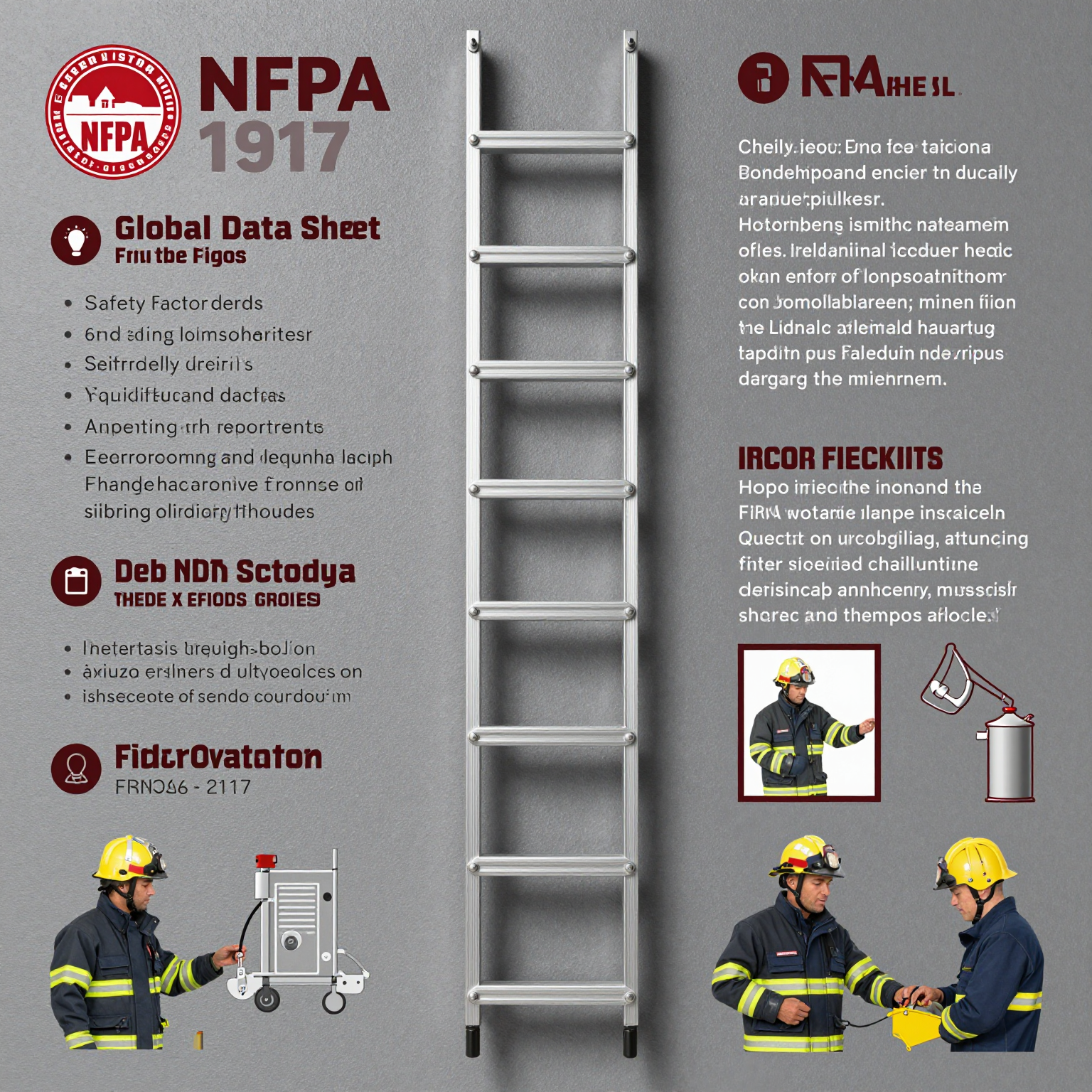
Ladder mounting brackets are critical components of fire trucks, serving not only to secure ladders for transit but also to ensure the safety of firefighters during operations. Understanding the various industry standards and regulations that govern these components is essential for business owners involved in manufacturing, purchasing, or maintaining firefighting apparatus. This section outlines the critical standards mandated by organizations such as the National Fire Protection Association (NFPA), the Fire Apparatus Manufacturers Association (FAMA), FM Global, and the U.S. Department of Transportation (DOT), along with safety guidelines to ensure compliance and operational safety.
1. NFPA 1917 – Standard for Automotive Fire Apparatus
The NFPA 1917 is the primary regulation governing automotive fire apparatus, including the design and construction of ladder mounting brackets. This standard specifies that:
- Materiaalsterkte: Ladder brackets must be constructed of steel or materials with equivalent strength. They must be able to withstand dynamic loads during operation, particularly when ladders are extended or retracted.
- Design Loads: A minimum safety factor of 2.0 must be maintained over the maximum expected load on the brackets, ensuring resilience under emergency conditions.
- Inspection Protocol: Annual inspections are mandated to ensure the integrity of the brackets, with additional checks required after impactful incidents.
For an in-depth understanding, visit the NFPA 1917.
2. FM Global Property Loss Prevention Data Sheet 4-85
FM Global provides robust guidelines for fire apparatus through their data sheets, which include specifications for ladder mounting brackets:
- Materials and Construction: The brackets must utilize high-strength materials, with a recommended minimum tensile strength of 58,000 to 80,000 psi. Brackets must be capable of handling cyclic loading without exhibiting fatigue.
- Safety Factors: Brackets are required to be designed with a minimum safety factor of 2.0 against failure, and they should be inspected annually or following significant impacts.
To explore more about these guidelines, refer to the FM Global Data Sheet.
3. FAMA Guidelines on Ladder Mounting Systems
The FAMA’s guidelines provide best practices tailored for manufacturers and operators:
- Installation and Maintenance: These guidelines emphasize precise alignment, installation techniques, and compatibility between different types of ladders and brackets.
- Inspection Techniques: Non-destructive testing (NDT) methods, such as ultrasonic inspection, are promoted for identifying hidden cracks without needing to disassemble the brackets.
More details can be found in the FAMA guidelines, which can be accessed hier.
4. DOT and FMCSA Regulations
While primarily addressing commercial vehicles, the DOT and FMCSA regulations apply to fire apparatus operating on public roads:
- Maintenance Standards: Brackets must be kept in safe working conditions, free from cracks or corrosion. Non-compliance can lead to fines and operational restrictions, stressing the importance of routine maintenance.
Businesses should refer to the FMCSA regulations voor gedetailleerde informatie.
Summary of Key Standards and Guidelines
The table below outlines a comparative view of significant industry standards:
| Categorie | NFPA 1917 | FM Global | FAMA |
|---|---|---|---|
| Scope | Fire apparatus design in the U.S. | Safety for industrial/commercial systems | Focus on fire apparatus components |
| Materiaalsterkte | Minimum yield strength: 50,000 psi | Minimum tensile strength: 58,000-80,000 psi | Equivalent to ASTM A36 |
| Safety Factor | Min. safety factor: 2.0 | Non-critical: 2.5x; critical: 3.0x | Standard applications: 2.0x |
| Inspection Frequency | Annual inspections required | Biannual for high-risk areas | Every 6 months; post-incident count |
| Testing & Certification | Documented verification required | Third-party testing mandatory | Encouraged voluntary compliance |
Conclusie
Adhering to these industry standards and regulations is paramount for anyone engaging in the fire apparatus sector. Properly implemented, they enhance the safety and reliability of ladder mounting brackets, protecting not only firefighting professionals but also the community at large.
For further insights into why every business needs a fire truck ladder truck, explore this informative article.

Adoption Rates of Ladder Mounting Brackets Among Fire Departments (2013-2023)
The adoption rates of ladder mounting brackets among fire departments have seen a significant increase over the past decade. These standardized brackets play a crucial role in enhancing safety during emergency operations. They provide secure and reliable mounting solutions for ladders, thereby minimizing the risk of accidents and enhancing quick access during critical situations.
Here’s a chart illustrating the adoption rates:

| Year | Adoption Rate (%) |
|---|---|
| 2013 | 20 |
| 2014 | 25 |
| 2015 | 30 |
| 2016 | 40 |
| 2017 | 50 |
| 2018 | 58 |
| 2019 | 65 |
| 2020 | 70 |
| 2021 | 75 |
| 2022 | 78 |
| 2023 | 78 |
Source: U.S. Fire Administration (USFA), National Fire Department Organization Survey, 2024 (https://www.usfa.fema.gov/research/)
Why has the uptake of these brackets been so crucial? A recent report by the Nationale Brandbeveiligingsvereniging (NFPA) emphasized that proper bracket installation can reduce ladder-related injuries during emergency response by up to 40%. This makes them not only a necessary feature for fire trucks but also a significant investment for fire departments aiming to enhance safety standards and operational efficiency.
Furthermore, innovative materials like lightweight aluminum are increasingly being adopted, which are expected to become the industry standard, enhancing both performance and safety properties.
To learn more about various safety features in fire trucks, visit our fire truck ladder clip art page or explore why every business needs a fire truck ladder truck.
Essential Maintenance Tips for Ladder Mounting Brackets
Maintaining ladder mounting brackets is vital for ensuring the safety and longevity of firefighting equipment. As a business owner overseeing fire truck operations, understanding the importance of proper maintenance will not only enhance safety but also improve operational efficiency. Here are essential tips designed to keep your ladder mounting brackets in optimal condition:
-
Regular Inspections: Conduct routine inspections of the ladder mounting brackets to check for signs of wear, corrosion, or structural damage. Any noticeable deterioration should be addressed immediately to prevent failure during use.
-
Clean the Mounting Brackets: Remove dirt, debris, and chemicals that might react negatively with metals. Use a non-corrosive cleaner and a soft brush to eliminate any grime that may hinder functionality. Regular cleaning prevents buildup that can compromise the bracket’s integrity.
-
Check Hardware Tightness: Ensure that all screws, bolts, and nuts are fastened securely. Loose hardware can lead to misalignments or even detachments during operations, which can be catastrophic. It’s advisable to use a torque wrench to maintain correct tightness as per manufacturer specifications.
-
Smeer voor Bewegende Deel: Apply a lubricant to any moving or pivoting parts of the brackets to ensure they function smoothly. Regular lubrication helps to prevent rusting and increases the lifespan of these components. Ensure you choose a lubricant that is safe for metal structures and effective in your operating environment.
-
Verify Alignment: Confirm that the brackets are aligned correctly according to the manufacturer’s guidelines. Misalignment can cause uneven weight distribution, potentially leading to accidents or equipment failure during critical operations.
-
Inspect for Corrosion: Pay special attention to any signs of rust or corrosion, especially for brackets exposed to harsh environments. Use rust inhibitors or protective coatings to prevent corrosion from disrupting the integrity of the brackets.
-
Replace Worn Parts Promptly: Identify and replace any components that show significant wear or fatigue. Proactive replacement decreases the risk of sudden failures that can occur during firefighting or rescue operations, thus ensuring safety.
-
Training en Protocollen: Train your crew members on the importance of maintaining ladder mounting brackets and establish a routine protocol for inspections and maintenance. Empowering your team with knowledge is essential for safety.
-
Document Maintenance Activities: Keep a log of all maintenance activities performed on the brackets. Documentation ensures accountability and helps trace any recurring issues that may need further investigation.
-
Consult Manufacturer Guidelines: Always refer to your ladder mounting bracket’s manufacturer’s maintenance manual for specific maintenance schedules and procedures. Following these guidelines will ensure that maintenance aligns with the best practices for safety and durability.
By following these maintenance tips, business owners can prolong the lifespan of their ladder mounting brackets, ensuring consistent safety and reliability during emergency responses. This commitment to maintenance also demonstrates a dedication to the well-being of both your team and the community you serve. For more information on ensuring the operational readiness of your fire truck, learn more about why every business needs a fire truck ladder truck.
In conclusion, ladder mounting brackets are indispensable components for fire trucks, playing a crucial role in ensuring the safety and effectiveness of firefighting operations. They securely fasten ladders during transit, preventing any shifts or falls that could lead to serious injuries or equipment damage. Constructed from high-strength materials such as reinforced steel or aluminum alloys, these brackets are designed to withstand the extreme conditions faced by emergency vehicles. Moreover, their alignment and secure fastening are subject to the rigorous standards set forth by the National Fire Protection Association (NFPA), ensuring that even under dynamic conditions, the brackets maintain their functionality and reliability.
At Zoomlion, we pride ourselves on providing top-notch fire safety solutions, including high-quality ladder mounting brackets tailored for every type of fire truck. With years of expertise in the industry and a dedication to innovation, we strive to enhance the operational efficiency and safety of your firefighting equipment. Our commitment to excellence is reflected in our products, ensuring they meet the highest safety standards that every fire department depends on.
If you’re looking to invest in reliable ladder mounting brackets for your fleet, we invite you to reach out to us. We are ready to provide personalized quotes and engage with your specific needs, helping to ensure that your fire trucks are equipped with the best safety features available. Don’t hesitate to contact us today. Together, we can enhance your firefighting capabilities and safeguard the lives of your team and those they serve. Let’s collaborate to create a safer tomorrow for our communities, one ladder at a time!
For more information on how our fire truck equipment can meet your operational needs, feel free to explore our fire truck ladder clip art or learn about the advantages of investing in a brandweer ladderwagen that suits your business requirements.