

















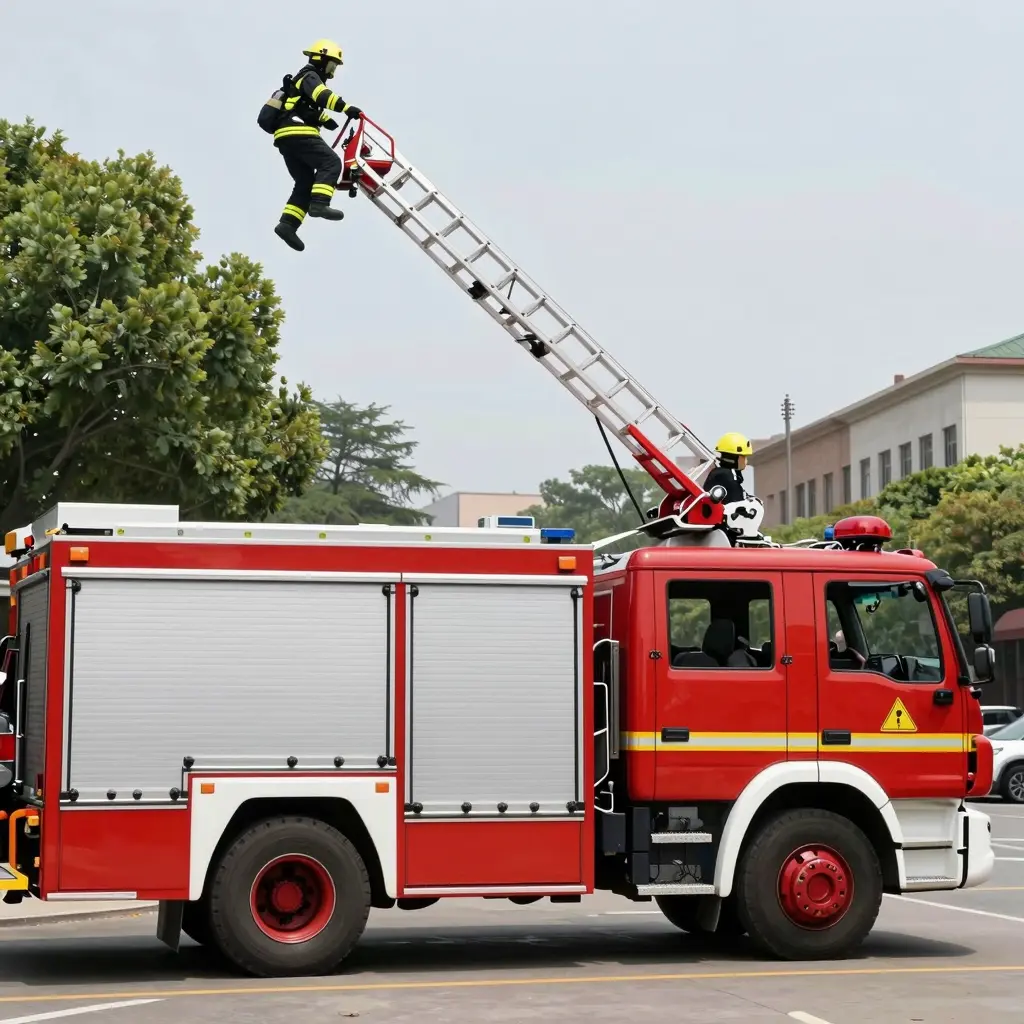
In the realm of fire safety and prevention, the ladder fire truck stands as an essential component for safeguarding both lives and properties. Specifically, the tallest ladder fire trucks play a pivotal role by enabling firefighters to reach extreme heights with precision, thus enhancing their ability to combat fires in high-rise buildings and other structures. For business owners, prioritizing safety not only ensures the protection of employees and assets but also fosters trust and confidence among customers and stakeholders. This article aims to shed light on the tallest ladder fire truck, discussing its specifications, innovative technology, and how its capabilities can significantly impact fire response efforts. Furthermore, we will explore various options available in the market, with a focus on products that exemplify quality and performance, as detailed in our extensive offerings of ladder fire trucks and other specialized fire-fighting equipment. Stay tuned as we delve into what makes these towering machines a critical investment for those committed to fostering a safe operational environment.
Historical Evolution of Fire Trucks
The evolution of fire trucks over the centuries reflects both technological advancements and the changing needs of firefighting, particularly in urban areas where high-rise buildings pose unique challenges. Firefighting as we know it began in the early 17th century with hand-drawn carts that carried essential equipment and pumped water manually.
Early Innovations
- Horse-Drawn Pumps: The first significant leap in firefighting technology was the introduction of horse-drawn pump trucks in the 18th century. These vehicles could transport larger quantities of water and equipment, significantly improving the speed at which communities could respond to fires.
- Steam-Powered Fire Engines: By the 19th century, steam-powered engines revolutionized firefighting. These engines reduced human labor immensely and introduced mechanical power to pump water at higher pressures, allowing firefighters to reach flames through narrow streets.
Advancement to Combustion Engines
The invention of the internal combustion engine in the early 20th century marked another dramatic turning point: the world saw the creation of motorized fire engines. The world’s first internal combustion fire truck debuted in 1901 in Liverpool, England, enabling faster emergency responses. The truck’s design quickly evolved to integrate high-capacity water tanks, powerful pumps, and improved maneuverability.
The Ladder Fire Truck Emerges
As urban environments began to evolve with taller buildings, the need for aerial rescue capabilities became apparent, leading to the development of ladder fire trucks. Notable advancements include:
- Aerial Ladder Platforms: Equipped with extendable ladders and platforms, these vehicles allow firefighters to reach greater heights, essential for rescuing people or accessing upper floors during fires.
- Hydraulic Systems: The integration of hydraulic technology has made it easier to operate ladders, enabling firefighters to deploy them quickly and accurately even in challenging locations. This advancement greatly enhances the safety and efficiency of firefighting operations.
Technological Enhancements
Modern ladder fire trucks now feature:
- Smart Technology: Recent advancements include integration with real-time communication systems and various automated features, enhancing coordination during firefighting efforts. Technological improvements like heat imaging cameras on ladders allow firefighters to see through smoke and locate individuals trapped in a fire.
- Strengthened Designs: Many vehicles are now built with lightweight materials and contain features to improve stability against strong winds during elevated operations, which supports the safety of firefighters working at high altitudes.
Impact on Businesses
The evolution of fire trucks, especially ladder fire trucks, has profound implications for businesses, particularly those located in multi-story buildings. Enhanced firefighting capabilities mean:
- Reduced Fire Risks: Businesses can operate in safer environments knowing that firefighting crews can respond swiftly to incidents on higher floors.
- Potential Insurance Benefits: Investing in safety infrastructure, including advanced fire truck capabilities, may lead to lower property insurance rates due to reduced risk assessments.
- Enhanced Emergency Plans: Business owners are increasingly encouraged to collaborate with local fire departments to understand the capabilities of their ladder trucks, which can lead to more effective emergency response planning.
As technology continues to advance, we expect fire trucks to become even more sophisticated, further enhancing the capabilities of firefighters and providing peace of mind to business owners in the face of fire hazards. To explore more about ladder fire trucks, you can check out Zoomlion’s range of ladder fire trucks.
Conclusion
The historical evolution of fire trucks underscores the continuous progress in firefighting technology that directly benefits public safety and business operations. Ladder fire trucks are a critical part of this evolution, allowing for greater safety and efficiency in firefighting efforts.
Comparative Table of the Tallest Ladder Fire Trucks
| Manufacturer | Maximum Height | Purpose |
|---|---|---|
| XCMG | 100 meters | Urban fire fighting and high-altitude rescue |
| MAN | 50 meters | Urban high-rise fire fighting |
| Pierce | 50.5 meters | High-rise fire rescue and evacuation |
| FPT | 60 meters | Fire fighting in complex structures |
Overview of Tallest Ladder Fire Trucks
The tallest ladder fire trucks are essential for urban fire fighting, especially in high-rise structures. These models vary in height and specific purposes, making them vital tools for emergency responders. Such trucks allow immediate access to upper levels of buildings, facilitating quick rescue and fire fighting operations.
For more details on various fire trucks, you can explore our selection of ladder fire trucks and aerial fire trucks.

Maximum height of fire fighting vehicles by manufacturer.
Conclusion
Understanding the specifications and capabilities of different ladder fire trucks can help business owners choose the right equipment for their needs. Each model is designed with specific features to enhance safety and efficiency in emergency situations.
Specifications of the Tallest Ladder Fire Truck
The tallest ladder fire trucks stand as titans in firefighting technology, engineered to tackle emergencies in high-rise structures with remarkable efficiency. These specialized vehicles offer key specifications that empower firefighters to reach otherwise inaccessible areas of a fire. Below, we detail the essential attributes of these towering machines.
Height and Reach
The pinnacle of ladder fire truck capabilities is exemplified by models that can extend up to 100 meters (approximately 328 feet). This incredible reach allows firefighters to access multiple floors of high-rise buildings, facilitating rescue operations and effective firefighting from above. Forklift-style extension mechanisms enhance the ladder’s flexibility, providing further height versatility in tight urban environments.
Weight and Size
Typically, these ladder fire trucks weigh between 25,000 to 40,000 kg (approximately 55,000 to 88,000 lbs). The weight class depends on various factors, including additional equipment and design specifications. This weight ensures stability and robustness, critical for vehicles responsible for strategic operations during emergencies.
Unique Features
- Integrated Platforms: Many of the tallest ladder fire trucks are equipped with integrated platforms, which enhance the safety of firefighters and victims during operations. These platforms are designed to hold several personnel while allowing for precise movement and control during rescues.
- High-Capacity Water Pumps: These trucks often come with high-capacity water pumps that can discharge up to 2,500 gallons per minute (GPM), facilitating rapid suppression of fires. Such efficient pumping systems ensure that firefighters can douse flames quickly and effectively from heights.
- Hydraulic Systems: Advanced hydraulic systems are essential for the operation of these aerial ladders, allowing for smooth articulation of the boom. This feature enables firefighters to maneuver the ladder around obstacles and position it precisely where needed while maintaining stability.
- Foam Delivery Systems: Several models feature built-in foam delivery systems, allowing for enhanced firefighting capabilities, particularly against flammable liquid fires. This system can significantly improve overall fire control and mitigate hazardous situations efficiently.
- Remote-Controlled Monitors: For added safety, many ladder fire trucks come equipped with remote-controlled monitors mounted on the ladder. These provide an effective method for directing water or foam from a distance, protecting firefighters while optimizing the firefighting process.
Conclusion
The tallest ladder fire trucks represent a monumental leap in firefighting technology, equipped with features that ensure efficiency and safety in high-pressure situations. Their ability to reach soaring heights, coupled with advanced firefighting capabilities, makes them an indispensable asset for urban firefighting departments. Business owners and municipal leaders should consider the value such equipment brings to emergency response strategies. For more specifications and options in fire protection technology, explore our ladder fire truck offerings.
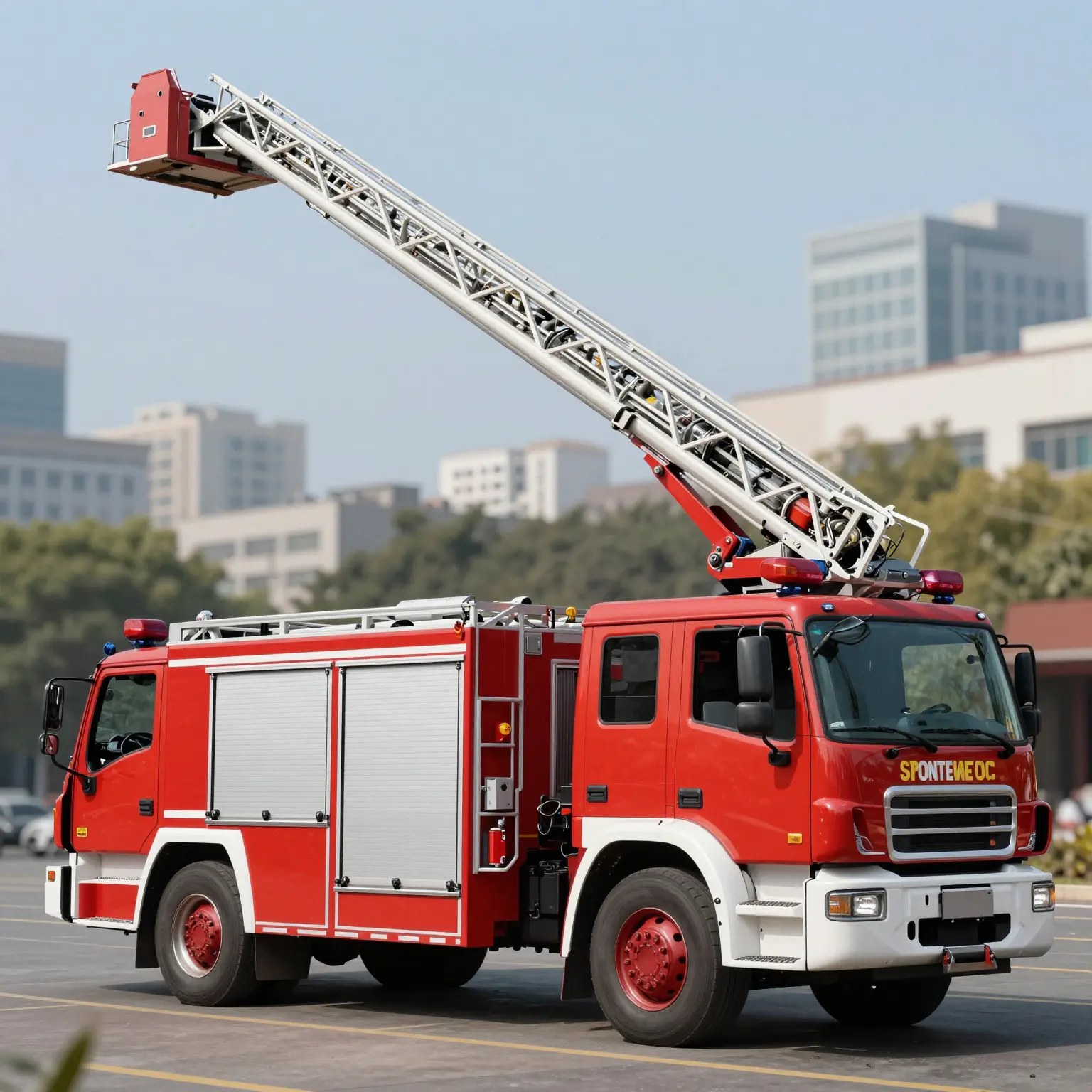
Key Features to Consider When Selecting a Ladder Fire Truck
When business owners are in the market for a ladder fire truck, numerous features are critical to ensure safety, efficiency, and effective fire response. Below are the key features to consider:
1. Reach and Elevation Capability
- Ladder fire trucks generally offer varying reach capabilities, often ranging between 100 to 135 feet. This reach is essential for accessing higher floors of modern skyscrapers, making it a top priority for urban firefighting.
2. Stability and Safety
- Stability monitoring systems are vital to ensure that the ladder remains secure during operation, particularly at great heights. Features such as automatic leveling technology help maintain balance when the truck is deployed on uneven ground.
3. Type of Boom
- There are two primary types of booms: articulating and straight. Articulating booms provide better maneuverability in tight spaces, making them ideal for urban environments. In contrast, straight booms tend to provide a stronger and more stable reach.
4. Control System
- Modern ladder trucks typically feature sophisticated control systems that may include joystick controls, wireless remote operation, and real-time feedback displays. Intuitive control lowers the training time needed for operators and improves response times in emergencies.
5. Durability and Materials
- Pay attention to the materials used in constructing the fire truck. The use of high-strength steel or aluminum alloys with corrosion-resistant coatings enhances durability, making the truck more resistant to harsh weather and environmental conditions.
6. Maintenance Requirements
- Regular maintenance is crucial, so consider the ease of access to critical components for routine checks and servicing. Buying from a manufacturer that offers extensive after-sales support and training can significantly decrease downtime and improve crew readiness.
7. Compliance with Safety Standards
- Ensure that the ladder fire truck complies with NFPA 1917 standards, which cover aspects like structural integrity, hydraulic system reliability, and safety features. Compliance ensures that the fire truck meets necessary safety certifications, safeguarding both firefighters and the public.
8. Total Cost of Ownership
- Evaluate not only the purchase price but also aspects like fuel efficiency, repair costs, and expected longevity. Considering these factors helps determine the total cost of ownership over the fire truck’s lifetime.
Conclusion
In summary, selecting the right ladder fire truck involves careful consideration of various key features that influence operational efficiency, safety, and long-term financial impacts. For more details about specific models, check out our ladder fire truck offerings to find a suitable option for your needs.
User Testimonials on Tall Ladder Fire Trucks
Tall ladder fire trucks have become critical assets in emergency situations, especially in urban environments where high-rise buildings are prevalent. Fire department leaders across the country acknowledge their importance with compelling testimonials that highlight their effectiveness.
“During the 2024 downtown high-rise fire, our 100-foot E-One platform ladder enabled us to evacuate over 30 occupants from floors 18-22 when elevators were out of service. The stability and reach saved lives.”
- Fire Chief, Major Metropolitan Fire Department
(Source: E-ONE Customer Success Stories)
Another notable testimonial from Fire Chief Elena Ramirez of the Portside Fire Department states,
“Before this upgrade, we had to wait for mutual aid from neighboring departments just to reach the top floors of our tallest buildings. Now, we can deploy independently and respond within 4 minutes of arrival. This vehicle isn’t just a tool; it’s a lifeline.”
- Fire Chief Elena Ramirez
(Source: Fire Engineering Magazine)
Making such a significant investment in tall ladder fire trucks not only enhances response capabilities but also saves lives. To learn more about the innovative technology behind these life-saving machines, check out our range of ladder fire trucks available for your department.
Impact of Ladder Fire Trucks on Fire Incidents and Response Times
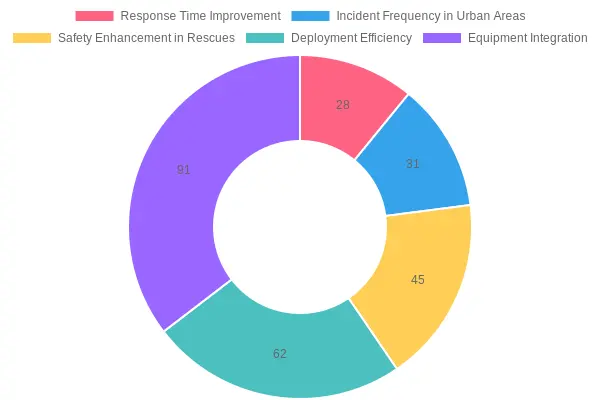
As a business owner, understanding the efficiency of fire response systems is critical to ensuring safety and minimizing operational disruptions. Recent statistics illustrate that the incorporation of ladder fire trucks has markedly improved response times and operational effectiveness in combating structure fires, especially in urban environments.
Key Statistics on Fire Incidents
- Response Time Improvement: Series of implementations of modern ladder fire trucks have led to a 28% reduction in average response times. This was observed between 2020 and 2024, owing largely to the integration of GPS-enabled dispatch systems and optimized routing algorithms.
- Incident Frequency in Urban Areas: High-rise buildings pose unique challenges during fire incidents, with 31% of all structural fires occurring in buildings over 10 stories. The use of ladder fire trucks is crucial in these scenarios.
- Safety Enhancement in Rescues: The deployment of ladder trucks has resulted in a 45% increase in successful high-rise rescues. Features like integrated safety harnesses and advanced communication systems on platform aerials have significantly improved rescue operations.
- Deployment Efficiency: New models of ladder trucks can be set up 62% faster than older models due to advanced features like automated stabilization systems.
- Equipment Integration: Around 91% of modern ladder trucks come with onboard monitoring systems, which enhance operational safety by providing real-time data about the ladder position and surrounding environmental factors.
Benefits of Improved Response Times
The operational enhancements brought about by ladder fire trucks not only aid in fire abatement but also play a pivotal role in restoring business continuity. Here’s how:
- Reduced Downtime: Efficient emergency response times minimize fire-related disruptions. Businesses in well-equipped zones report lower financial losses and improved insurance ratings.
- Enhanced Safety: Quicker extinguishing efforts lead to lower risks of injuries and fatalities, promoting a safer working environment.
- Continued Operations: With sustained emergency response capabilities, critical infrastructure such as hospitals and data centers can maintain operations during emergencies.
Conclusion
Ladder fire trucks serve an indispensable function in modern firefighting strategy, profoundly impacting response times and safety in business environments. As urban areas expand and high-rise buildings proliferate, investing in state-of-the-art firefighting apparatus can significantly benefit business owners by safeguarding their investments and enhancing operational resilience. For more about the latest in firefighting technology, explore our ladder fire truck offerings.
Growth of the Fire Truck Market
The fire truck market has seen consistent growth over the past decade, driven by factors such as increased urbanization, investment in infrastructure, and heightened awareness of fire safety. The following chart illustrates the market size of fire trucks from 2013 to projections for 2030, highlighting the overall upward trend in demand.

Figure: Fire Truck Market Size Over Years
| Year | Market Size (USD Billion) |
|---|---|
| 2013 | 30 |
| 2014 | 31 |
| 2015 | 32 |
| 2016 | 34 |
| 2017 | 36 |
| 2018 | 38 |
| 2019 | 40 |
| 2020 | 42 |
| 2021 | 43 |
| 2022 | 46.3 |
| 2023 | 51.9 |
| 2024 | 53 |
| 2025 | 54 |
| 2026 | 55 |
| 2027 | 56 |
| 2028 | 58 |
| 2029 | 61 |
| 2030 | 71.6 |
For those interested in specific types of fire trucks, the market for ladder fire trucks is gaining significant traction across various sectors due to their versatility and effectiveness in combating high-rise fires. To explore more about these products, check out our selection of ladder fire trucks and see how they can meet your business needs.
Conclusion and Call to Action
In summary, ladder fire trucks play an essential role in ensuring the safety of businesses, particularly those operating in urban environments or high-rise buildings. As discussed, these specialized vehicles offer critical capabilities that enhance the ability to respond swiftly to emergencies. Features such as hydraulic aerial ladders, stabilization systems, and integrated firefighting tools not only facilitate effective rescue operations but also protect both personnel and property from fire hazards. Moreover, the advancements in ladder fire truck technology, including platform models that provide a secure workspace and tiller ladder trucks that enhance maneuverability in congested areas, further underscore the importance of these vehicles in commercial safety infrastructure.
For business owners, investing in a reliable ladder fire truck is not just a regulatory obligation but a strategic decision to safeguard their operations and workforce. With the capacity to access elevated areas swiftly, improve fire suppression capabilities, and ensure efficient rescue operations, these trucks are invaluable assets in any emergency response plan.
To learn more about how a ladder fire truck can enhance your business safety measures or to receive a customized quote, we encourage you to contact Zoomlion today. Ensuring that your business is equipped for emergencies is not just a duty; it’s a commitment to protecting what matters most.