

















การแนะนำ
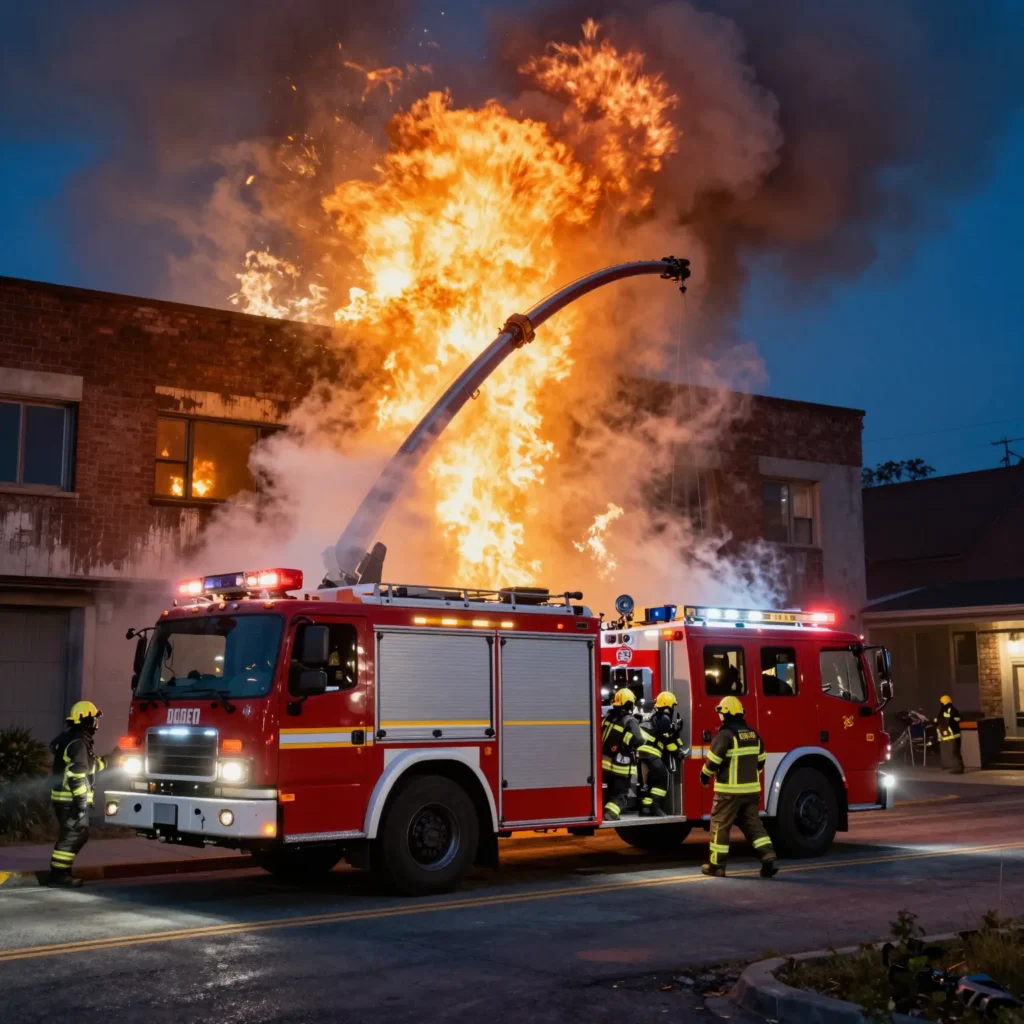
In the fast-paced world of emergency response, every second counts, particularly when combating fires that threaten lives and property. Aerial fire trucks have emerged as indispensable tools in the fight against such disasters, allowing firefighting teams to gain vital altitude and access difficult-to-reach areas. They not only provide the height necessary to extinguish flames from above but also facilitate quick rescues, making them essential for both urban settings and remote locations.
At the forefront of this vital industry is Zoomlion, a leader in producing a range of advanced fire-fighting equipment, including innovative aerial fire trucks designed with the latest technology and safety features. With a commitment to quality and performance, Zoomlion is dedicated to enhancing fire safety and emergency response capabilities across the globe. Our aerial fire trucks, part of more specialized equipment, are engineered not only for efficiency but also to meet the rigorous demands of various emergency scenarios, ensuring that first responders can perform their duties with confidence and safety.
As we delve deeper into the various types of aerial fire trucks, from ladder fire trucks to platform fire trucks, it is clear that such innovations not only shape the future of firefighting but also reinforce our commitment to safety and effectiveness in emergency response.
| Type of Aerial Fire Truck | Reach | คุณสมบัติหลัก | Optimal Usage Scenario |
|---|---|---|---|
| Aerial Ladder Truck | Up to 100 ft | Telescopic ladder, high pumping capacity, maneuverable. | Best for rescuing from buildings, urban firefighting. Check out ladder fire trucks. |
| Aerial Platform Truck | Up to 100 ft | Enclosed platform, can carry 3-5 firefighters, integrated tools. | Ideal for high-rise rescue operations and firefighting in tall structures. Explore platform fire trucks. |
| Articulating Boom | Varies | Multi-joint maneuverability, excellent for tight spaces. | Suitable in environments where access is challenging, such as construction sites or dense urban areas. |
| Fixed Foam Proportioning Truck | Varies | Automated foam mixing system, designed for high-volume discharge. | Primarily used at airports for aircraft fire response; complies with FAA/NFPA standards. |
| Tractor-Drawn Aerial (TDA) | Over 100 ft | Long reach and stability; towed trailers. | Effectively supports firefighting in narrow city streets or in areas without direct access. |
The Technology Behind Aerial Fire Trucks
Aerial fire trucks represent the pinnacle of firefighting technology, incorporating advanced systems designed to enhance both efficiency and safety during emergencies. With growing urbanization and the concurrent rise in fire-related incidents, these vehicles have evolved significantly to meet modern demands. This article explores the cutting-edge technologies integrated into aerial fire trucks, focusing on stabilization systems and innovative water delivery methods.
Key Technologies in Aerial Fire Trucks
1. Stabilization Systems
Stabilization systems are critical to the operational capacity of aerial fire trucks, particularly when working at great heights. These systems utilize sophisticated hydraulic and gyroscopic technologies to ensure that the aerial platform remains stable, even in adverse weather conditions. By greatly reducing vibrations and swaying, stabilization systems allow firefighters to operate effectively from significant heights, enhancing precision when targeting fires.
- Hydraulic Stabilizers: These stabilizers often operate on a four-point system that provides a stable platform during operations, ensuring that the truck does not topple during ladder extension or water spray.
- Computerized Control Systems: Integrated with sensors, these systems adjust the level of stabilization required based on real-time data, optimizing safety and response time.
The combination of hydraulic power and computerized monitoring contributes to a more reliable firefighting platform, enabling crew members to focus entirely on combating the fire without concern for the truck’s stability.
2. Advanced Water Delivery Methods
The transformative approach to water delivery in aerial fire trucks is geared towards maximizing firefighting effectiveness.
- High-Volume Water Pumps: Modern aerial fire trucks are equipped with high-capacity pumps, capable of delivering large volumes of water at pressures up to 1,500 psi, allowing crews to combat intense fires quickly.
- Foam Delivery Systems: Many aerial fire trucks incorporate integrated foam proportioning systems, which mix foam with water at the pump level. This is especially useful for suppressing flammable liquid fires, making firefighting more efficient in high-risk scenarios.
- Elevated Nozzles: These nozzles can reach considerable heights and disperse water over large areas. Some systems allow for remote operation from the ground, enabling strategic water spray while maintaining firefighter safety.
Improvements in Efficiency and Safety
The integration of these technologies significantly improves the operational efficiency of aerial fire trucks:
- Rapid Deployment: The time it takes to get the aerial platform ready for fire suppression has drastically reduced. With improved hydraulic systems and streamlined controls, firefighters can respond to situations promptly.
- ความปลอดภัยที่เพิ่มขึ้น: Stabilization systems and advanced water delivery methods not only bolster firefighting efficiency but also enhance safety measures for firefighters on the scene. No longer do they need to physically navigate perilous terrains or precarious heights without robust support systems.
- Real-Time Monitoring Systems: Many contemporary aerial fire trucks are outfitted with real-time performance monitoring software that assesses vehicle health and performance metrics. This includes monitoring battery life in electric models, identifying faults, and helping to preemptively address maintenance issues, as highlighted in recent innovations in fire truck technology.แหล่งที่มา
สรุป
Aerial fire trucks embody the future of firefighting equipment, merging technology with essential fire suppression capabilities. These vehicles play a critical role in urban settings, high-rise buildings, and even complex rescue operations. With innovations such as stabilization systems and advanced water delivery methods, aerial fire trucks not only improve operational efficiency but also significantly enhance firefighter safety. To explore more about these innovative machines, consider checking out Zoomlion’s aerial fire trucks and their various applications in emergency response scenarios.
Advantages of Using Aerial Fire Trucks
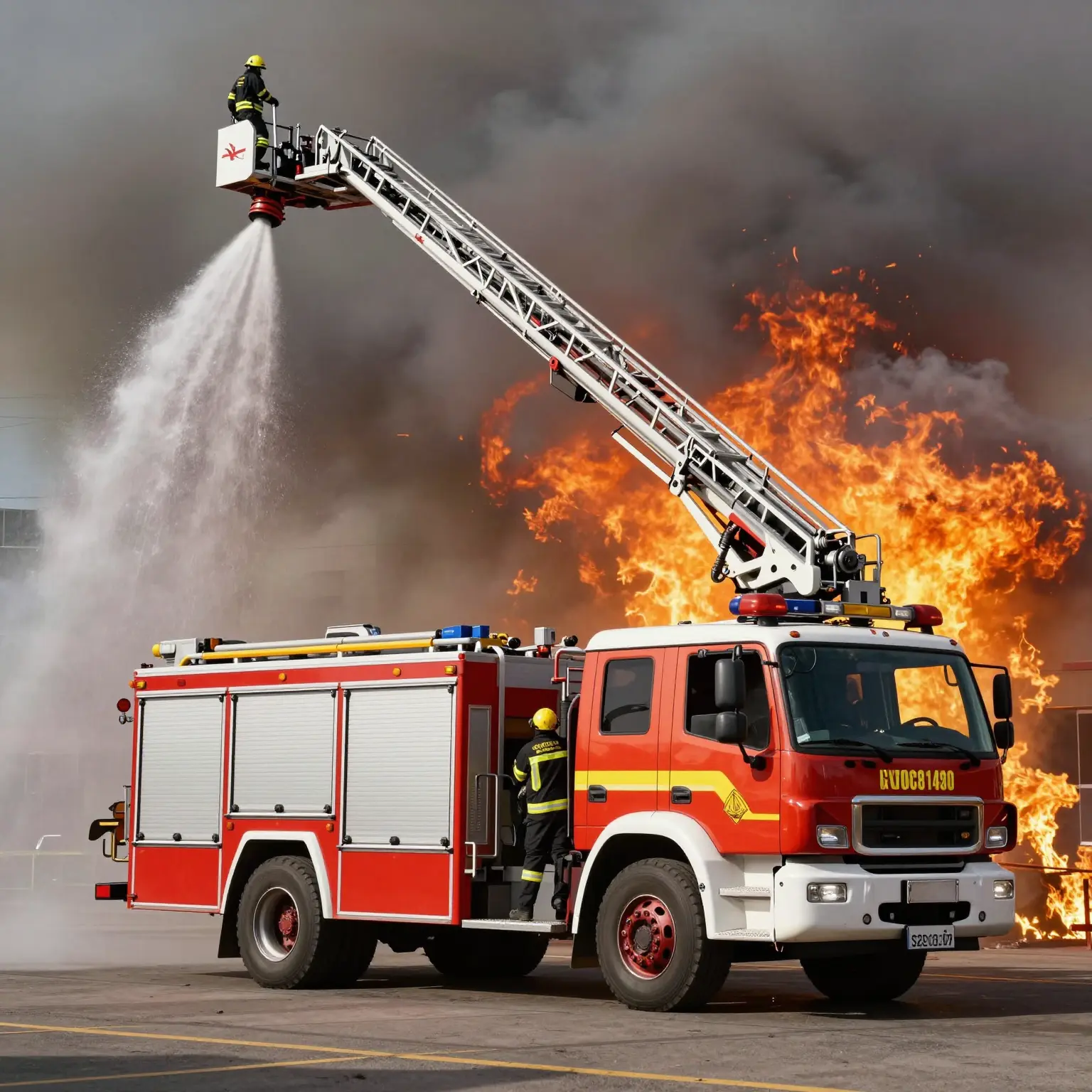
Aerial fire trucks have become a vital component in modern firefighting, offering capabilities that traditional firefighting vehicles simply cannot match. Here’s a detailed look at the key benefits of using aerial fire trucks:
Extended Reach:
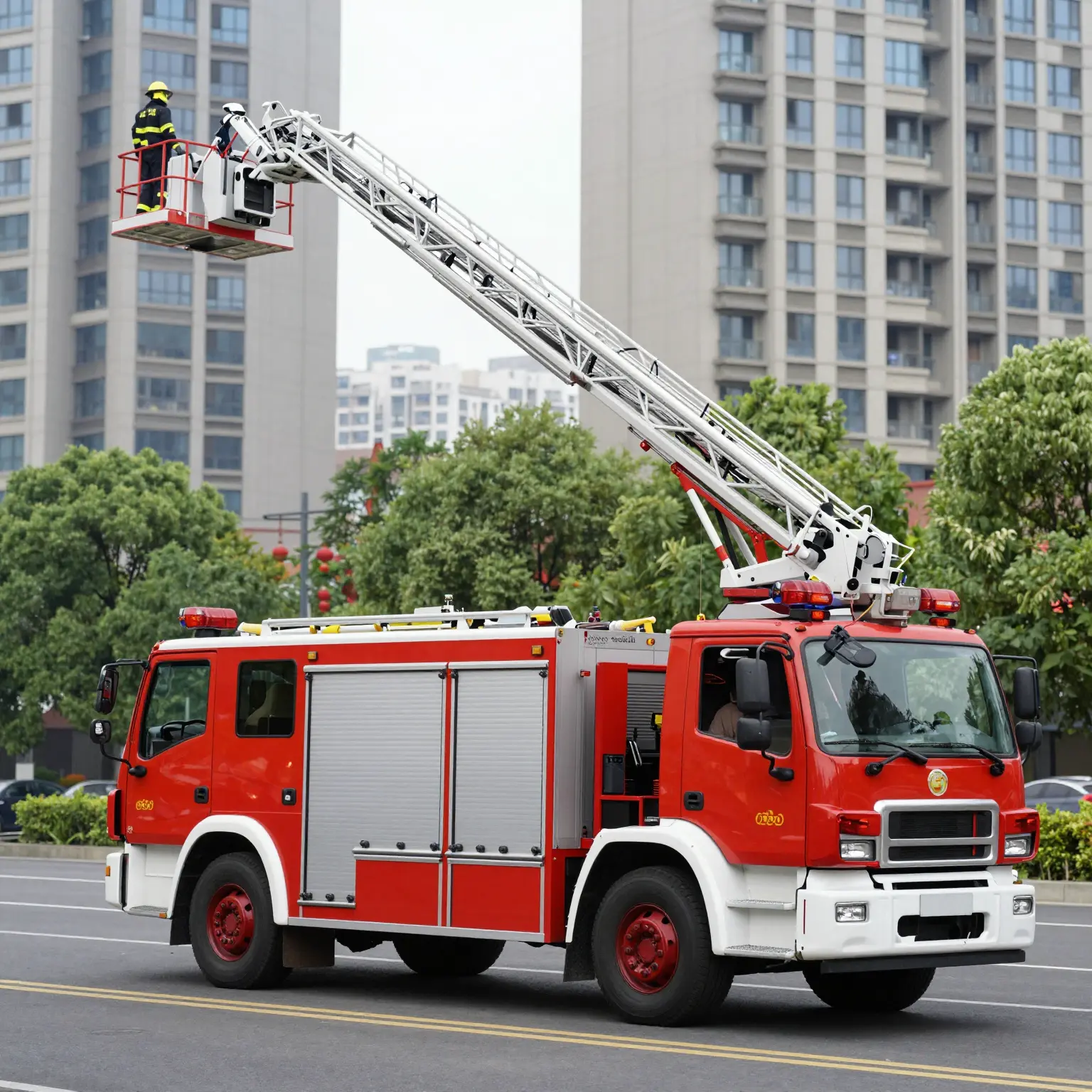
Aerial fire trucks are equipped with ladders that can extend between 75 to over 100 feet high, allowing firefighters to access upper floors of high-rise buildings efficiently. This capability is crucial during urban firefighting operations, where conventional pumper trucks are limited to ground-level deployments.Improved Maneuverability:
These trucks feature advanced engineering and design, enabling them to navigate tight urban environments. Unlike traditional trucks, aerial fire trucks can operate effectively in narrow streets and congested areas, vital for quick response times in emergencies.Enhanced Water Flow:
Aerial fire trucks often come with integrated water delivery systems that can discharge water directly from the ladder, thus providing a continuous and efficient flow of firefighting resources from elevated positions. This allows teams to directly combat fires from a strategic vantage point, reducing the risk of fire spread.Safety and Rescue Operations:
Many aerial fire trucks are designed with platforms for firefighters that can accommodate tools and additional personnel for rescue missions. The safety harnesses and stable platforms ensure that rescue operations in high-risk environments are conducted safely and effectively. This is particularly useful when performing rescues from windows or rooftops where traditional ladders may be ineffective.Versatile Equipment Integration:
Modern aerial fire trucks can come equipped with thermal imaging technology, rescue baskets, and specialized foam systems. This versatility significantly enhances operational capabilities, allowing teams to adapt quickly to various scenarios, including hazardous situations where conventional methods may fail.Effective Urban Firefighting:
As cities continue to grow more densely populated with high-rise structures, the need for aerial fire trucks grows correspondingly. Their ability to effectively perform rescue and firefighting operations at elevated heights is indispensable, making them a critical asset for any urban firefighting fleet.Operational Efficiency:
The integration of smart technologies in aerial fire trucks enhances operational efficiency, reducing response times and enabling coordinated rescue efforts with real-time monitoring systems for load distribution and boom positions.
In conclusion, the advantages of aerial fire trucks over traditional firefighting vehicles are clear. Business owners and firefighting departments should consider investing in these essential vehicles to ensure effective fire protection in urban settings. For instance, learn more about ladder fire trucks and their capabilities that can improve firefighting operations in challenging scenarios.
Client Testimonial
“As a business owner in a densely populated urban area, safety and reliability are critical. Our fire department made the decision to invest in เพื่อสำรวจสิ่งที่เรามี หรือติดต่อทีมสนับสนุนลูกค้าของเราเพื่อพูดคุยเกี่ยวกับความต้องการของคุณ ร่วมกัน เราสามารถหารถดับเพลิงแบบอากาศที่เหมาะสมกับความต้องการการดำเนินงานของคุณ และรักษาความปลอดภัยของธุรกิจของคุณ อย่ารอ ติดต่อเราในขณะนี้!, and it was one of the best choices we’ve made. During a recent emergency involving a high-rise fire, the performance of the truck was outstanding. Not only did our team reach the required height swiftly, but the stabilizing features provided us the confidence needed to work efficiently.
We were especially impressed with the robust reliability of the equipment; it performed flawlessly even in challenging weather conditions. The seamless integration of the hydraulic systems and the advanced safety measures ensured that our firefighters could focus on what matters most: saving lives. Thanks to Zoomlion, we feel better equipped than ever to handle any emergency that comes our way!”
- Fire Chief, Urban Combat Fire Department
For more information about our aerial fire trucks, learn more here.
Why Trust Zoomlion?
When it comes to fire safety, having reliable equipment is non-negotiable. Our range of aerial fire trucks is designed for superior performance, ensuring safety and efficiency in all operations. Explore why many businesses are choosing Zoomlion to safeguard their communities.
The Impact of Aerial Fire Trucks on Firefighting Operations
In recent years, the effectiveness of aerial fire trucks in firefighting operations has garnered significant attention. Notably, statistics indicate their substantial impact on response times and fire containment outcomes. Here’s a summary of relevant findings:
Improved Response Times
- Average Response Time: Aerial fire trucks, particularly platform aerials, allow fire departments to achieve an average response time of 4.2 minutes, a significant improvement compared to 6 minutes with standard pumping trucks. This reduction can be attributed to the rapid deployment capabilities of aerial units, making them invaluable, especially in urban areas where firefighting requires quick action.
Fire Containment Success Rates
- Fire Containment Success Rate: Aerial fire trucks have shown impressive effectiveness in containing fires during critical moments. Statistics reveal that when aerial trucks are deployed, the fire containment success rate is as high as 87%, compared to just 43% without them. This stark contrast highlights how crucial aerial support is in preventing fire escalation, particularly in high-rise fire situations.
First Attack Time
- In terms of initial attack, aerial trucks enable a swift average “First Attack Time” of approximately 3 minutes and 52 seconds. This quick reaction is critical in the early stages of a fire, when the potential for damage is minimal but the risk for rapid escalation is high. Traditional ground-based units often struggle to deliver water effectively in such scenarios, making aerial trucks indispensable.
High-Rise Fire Scenarios
- When it comes to high-rise buildings:
- The average time from alarm to aerial ladder positioning is 4.5 minutes. In contrast, conventional units are often limited to ground-level access, increasing the risk of fire spread during delays in accessing upper floors.
- Studies show that the fire containment success rate in high-rise incidents reaches 91% when aerial units are deployed within the first 5 minutes; this rate plunges to 38% if aerial units are delayed beyond 10 minutes.
ปฏิบัติการกู้ภัย
- Rescue operations also benefit significantly from aerial support. The success rate for rescuing individuals from high-rise fires using aerial platforms is estimated at 89% compared to just 27% with traditional firefighting methods. The ability to reach upper floors efficiently is a game changer in emergencies.
In summary, aerial fire trucks are proving to be critical assets in firefighting strategies. Their capability to enhance response times and fire containment success rates significantly impacts firefighting effectiveness, especially in metropolitan areas where high-rise structures are common. For more information on the various types of aerial fire trucks available, check out our Ladder Fire Trucks และ Platform Fire Trucks.
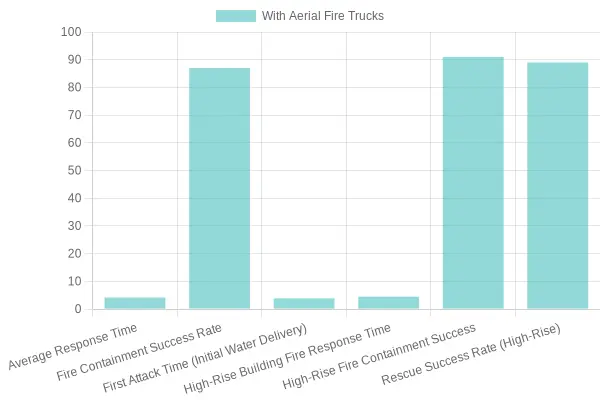
Note: Data sourced from recent analysis and operational statistics of aerial fire fighting equipment.
Conclusion: The Vital Importance of Aerial Fire Trucks
In the realm of fire safety, aerial fire trucks play a crucial role in protecting lives and property. Their ability to reach significant heights and convey firefighters and equipment directly to areas that are otherwise inaccessible makes these vehicles indispensable in urban environments. Recent data shows that aerial platforms can significantly reduce response times; for instance, fire departments equipped with aerial ladders report a 47% decrease in response time for incidents involving buildings over 30 meters. Furthermore, the success rate for evacuations in such scenarios can rise to as high as 92%. This efficiency not only safeguards lives but also helps mitigate potential losses to property and assets.
For business owners, investing in high-quality firefighting equipment, particularly aerial fire trucks, is no longer a luxury-it’s a necessity. Companies that proactively consider fire safety, including robust emergency response capabilities, protect their investments and ensure a safer environment for employees and customers alike. Linking with local fire services and understanding their aerial capabilities can enhance strategic safety planning for any organization.
To further enhance safety measures, we encourage business owners to explore investing in reliable aerial fire trucks. Investing in such equipment could be the difference between a swift and effective response in emergencies and devastating losses from fire incidents.
For more information about aerial fire trucks and how they can bolster safety in your operations, please contact Zoomlion today. Equip your business with the best in firefighting technology and provide the peace of mind that comes with being prepared for any emergency.
Market Trends for Aerial Fire Trucks
The demand for aerial fire trucks has significantly increased in recent years, driven by various factors including urbanization and the need for enhanced firefighting capabilities in high-rise buildings. The market for aerial platform fire trucks was valued at approximately USD 1.5 billion in 2024 and is expected to grow at a CAGR of 6% from 2026 to 2033.

Insights:
- 2024: The market value stands at USD 1.5 billion.
- Growth Rate: A consistent 6% CAGR is projected, reflecting robust growth potential in the next decade.
Future Outlook
The growth in the aerial fire truck segment is attributed to:
- Increased Urbanization: Cities are expanding, requiring more sophisticated firefighting equipment capable of addressing high-rise challenges.
- Technological Advancements: Improvements in hydraulic and boom technology enhance the efficiency and safety of aerial fire trucks.
- Regulatory Requirements: Stricter safety regulations are promoting the adoption of modern firefighting equipment.
For more information about aerial fire trucks, visit Zoomlion Aerial Fire Trucks.
Market Value Projections for Aerial Fire Trucks
| Year | Market Value (USD Billion) |
|---|---|
| 2024 | 1.5 |
| 2025 | 1.59 |
| 2026 | 1.68 |
| 2027 | 1.78 |
| 2028 | 1.89 |
| 2029 | 2.00 |
| 2030 | 2.12 |
| 2031 | 2.25 |
| 2032 | 2.39 |
| 2033 | 2.53 |
As illustrated in the table above, the market is set to expand significantly over the decade, making it a vital sector for investment and development in firefighting solutions.
Maintenance Tips for Aerial Fire Trucks
Maintaining aerial fire trucks is vital for ensuring operational safety and reliability. Here are some best practices to consider:
Regular Inspections: Conduct daily pre-operational inspections to assess all functional components of aerial fire trucks, especially focusing on the aerial ladder and hydraulic systems. This ensures early detection of potential issues before they escalate into significant problems. All findings should be documented according to manufacturer guidelines.
Hydraulic System Upkeep: Regularly check hydraulic fluid levels and replace them as recommended in the manufacturer’s service agenda. Clean hydraulic components to prevent contamination, which is a common cause of performance decline.
Routine Operator Training: Ensure that all operators receive regular training on updated operational protocols and safety measures. This training should include familiarization with emergency stop systems and rescue procedures specific to aerial firefighting operations. Conduct practice drills to enhance practical skills.
Maintenance of Boom and Platform: Inspect the boom for dents, cracks, or corrosion after every use. Keep the aerial platform clean and check for proper alignment. Ensure the mechanical parts, such as outriggers and stabilizers, are functioning correctly to maintain stability during operations.
Test Safety Mechanisms: Implement weekly ‘dry run’ tests of all aerial features, including emergency stop systems and outrigger deployment. Testing helps ensure all safety mechanisms are fully operational and ready for use at a moment’s notice.
Scheduled Performance Testing: Adhere to annual performance testing schedules for the aerial device under load, following the NFPA standards. This testing verifies the structural integrity of the equipment under operational conditions.
Prioritize High-Wear Components: Pay special attention to high-wear parts like the outrigger pads and winch cables, as these components undergo significant stress during operations. Regular checks and timely replacements of these parts are essential to avoid failures.
Documentation and Tracking: Maintain a digital log of all maintenance activities, inspections, and repairs performed. This record helps identify recurring issues and streamlines future maintenance planning.
Adopting these practices enhances the longevity of aerial fire trucks and maximizes safety during emergency operations. To explore more specialized equipment for fire brigades, check out our รถดับเพลิงที่บิน และ platform fire trucks.
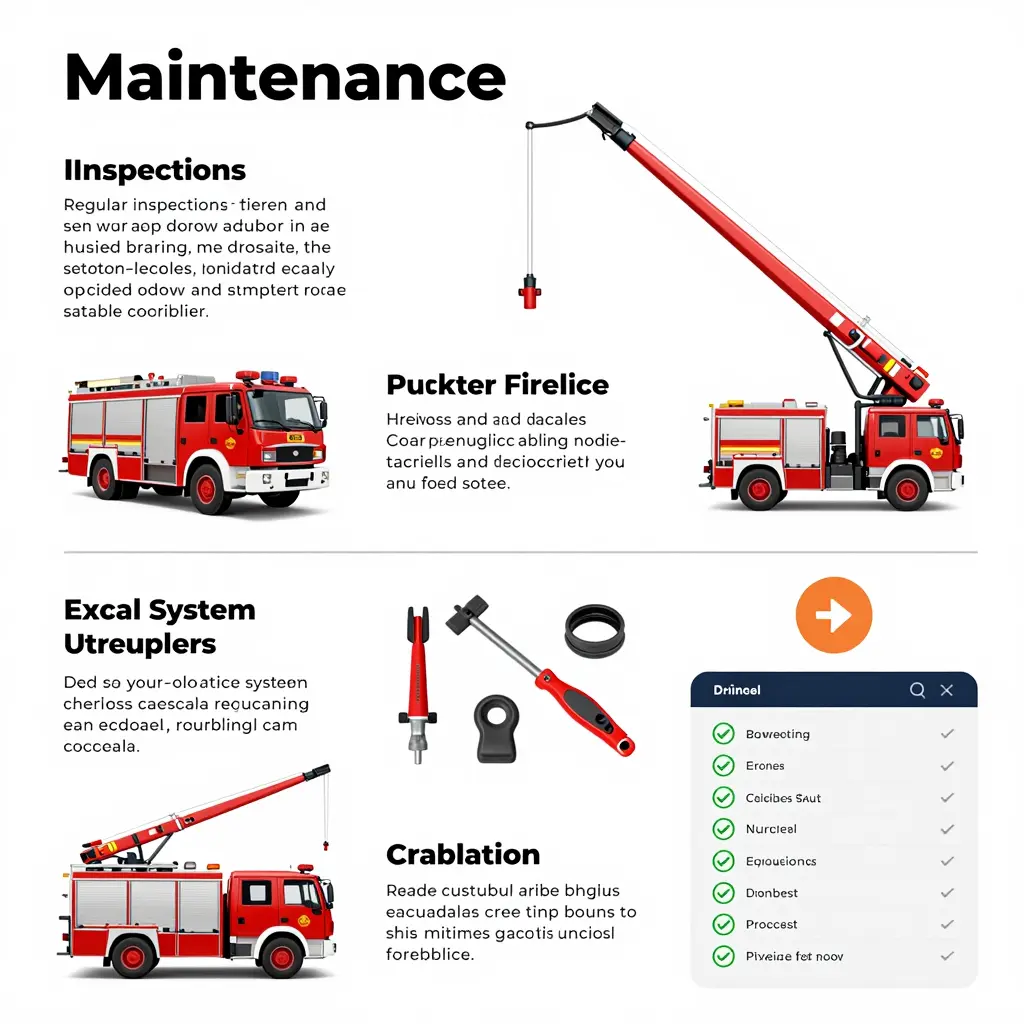
By adhering to these maintenance strategies, business owners can ensure their aerial fire trucks remain in optimal operational condition, enhancing the safety of firefighters and the communities they protect.