

















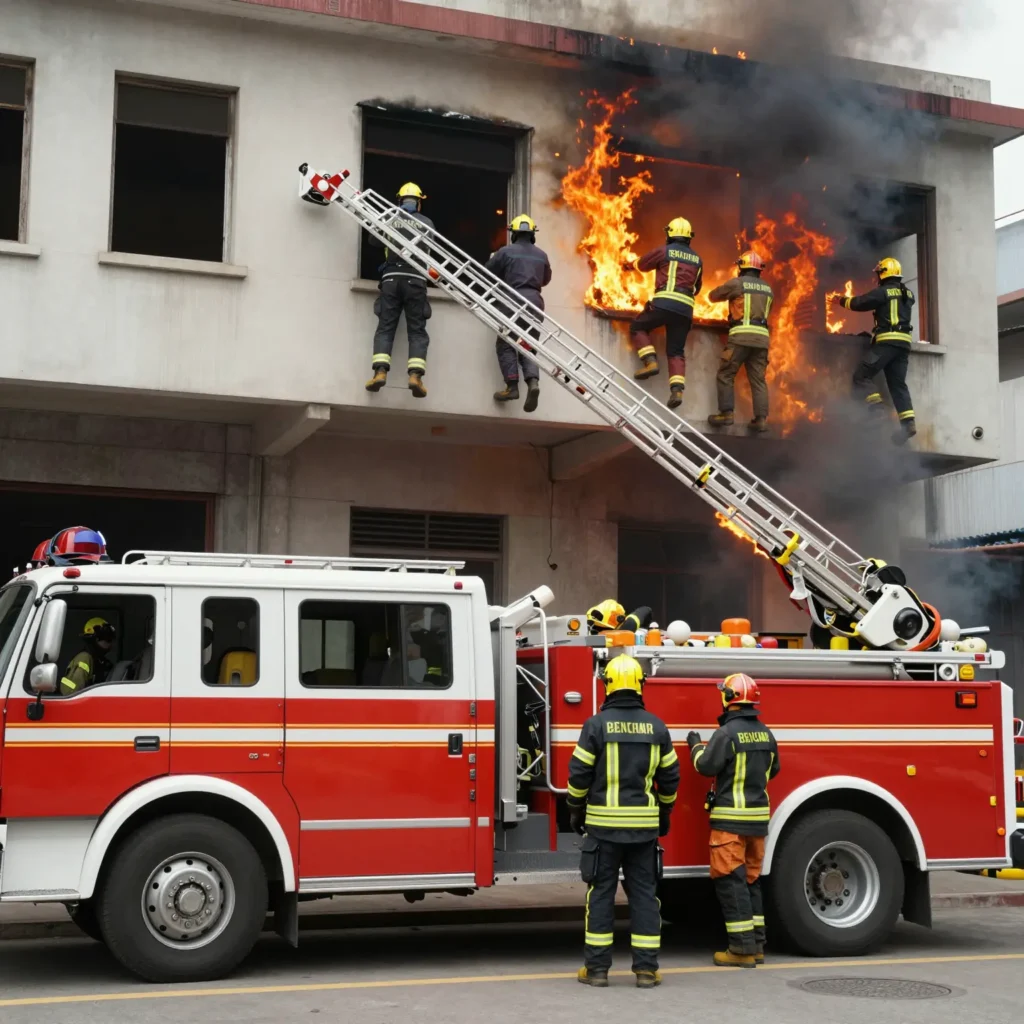
The Importance of Fire Safety and the Role of Ladder 3 Fire Trucks
Fire safety is not just a regulatory compliance issue; it’s a crucial priority for business owners to safeguard lives and assets. With approximately 22,000 commercial workplace fires reported annually in the UK alone, the risks of inadequate fire safety measures are staggering. Fires can lead to devastating losses, ranging from injuries to fatalities and significant property damage. Therefore, extensive fire safety planning is essential for every business. The integration of advanced fire-fighting technologies can make a significant difference in emergency response effectiveness, and this is where the ladder 3 fire trucks come into play.
In the wake of tragic events like 9/11, the importance of specialized fire response vehicles, such as ladder trucks, was dramatically underscored. These heavy-duty units are equipped to reach towering heights, enabling firefighters to rescue individuals from high floors and deploy water streams to combat towering blazes. Today, innovations in firefighting technology have further enhanced the capabilities of ladder fire trucks, making them more efficient and reliable than ever before. From enhanced aerial platforms to cutting-edge safety features, modern fire-fighting vehicles are designed to meet increasing safety standards and emergency preparedness needs.
For business owners, investing in strategies that prioritize fire safety can not only protect physical assets but also foster a culture of safety and preparedness within their organizations. As advancements in firefighting technology continue to evolve, staying informed about these developments can empower you to enhance your business’s safety protocols. Explore our wide range of ladder fire trucks and equip your business for a safer environment.
Ladder 3 fire trucks, representing a critical component of modern firefighting, have evolved significantly over the years, reflecting advancements in technology and design. This evolution is especially relevant in the context of urban firefighting, where quick response times and efficiency can save lives. This article explores the key milestones in the development of Ladder 3 fire trucks, particularly their features and technological advancements leading up to the events of September 11, 2001.
Early Developments in Fire Engines
The early fire engines of the 18th century were predominantly hand-pumped apparatuses requiring extensive manpower. They laid the groundwork for organized firefighting but limited efficiency. The introduction of steam-powered engines in the mid-19th century marked a significant turning point. These engines, capable of faster water pumping, enhanced response times dramatically.
The Rise of Motorized Fire Trucks in the 20th Century
The 1900s saw the introduction of motorized fire trucks, revolutionizing the firefighting industry. Unlike their predecessors, motorized Ladder trucks like Ladder 3 could transport more equipment and accommodate a larger crew. This innovation allowed firefighters to reach fire scenes faster than ever before.
Advancements in Ladder Technology
One of the most critical advancements in Ladder 3 fire trucks has been the inclusion of aerial ladders. By the 20th century, these trucks could extend firefighting reach to new heights, enabling operations in multi-story buildings. This capability became crucial in urban settings, particularly in cities repurposed with dense architecture.
High-Tech Integration in the 21st Century
Leading up to 9/11, several advancements in technology improved the efficiency and effectiveness of Ladder 3 fire trucks. Notably, the integration of thermal imaging cameras became common in fire trucks. These devices allowed firefighters to see through smoke and locate victims trapped inside buildings. Additionally, comprehensive GPS and computer-aided dispatch systems evolved, allowing for more strategic deployment of resources.
The Impact of 9/11 on Fire Service Vehicle Design
The events of September 11, 2001, underscored the importance of robust firefighting capabilities in urban centers. Firefighters faced unique challenges that required rapid response, advanced technology, and thorough training. Post-9/11, many fire departments reassessed the specifications and features of their Ladder 3 fire trucks, enhancing equipment for rescue operations, communications, and safety.
Key Features of Modern Ladder Trucks
- Extended Reach: Modern Ladder 3 fire trucks are equipped with ladders that can extend up to 100 feet or more, facilitating rescue and firefighting from height.
- Enhanced Stability: Many trucks feature stabilizers that provide additional support. This feature is crucial when operating at great heights, especially in urban environments.
- Advanced Communication Tools: Integration with city emergency databases and enhanced communication tools help coordinate multiple agencies during large-scale incidents.
- Eco-Friendly Designs: Newer fire trucks focus on sustainability, incorporating electric or hybrid systems to reduce emissions.
Висновок
The evolution of Ladder 3 fire trucks reflects a continuous journey towards improving fire response and rescue capabilities. From early hand-pumped machines to today’s high-tech apparatuses, the emphasis has been on enhancing safety, efficiency, and effectiveness in emergency situations. As technology progresses further, firefighters can expect even more innovative features that will bolster their efforts to protect lives and property.
For more insights into various types of fire-fighting vehicles, you could explore the range we offer, including aerial fire trucks і specialized support equipment.
Порівняння специфікацій пожежних автомобілів
Understanding the specifications of different fire truck models is crucial for business owners in the firefighting services. Here’s a comparative table of Ladder 3 fire trucks against other modern fire trucks, focusing on height reach, water capacity, and engine power.
| Fire Truck Model | Висота досягнення (фут) | Вміст води (гallon) | Engine Power (horsepower) |
|---|---|---|---|
| Ladder 3 | 75 | 500 | 450 |
| Typical Modern Ladder Truck | 100 (varies) | 500-1000 | 500-600 |
| Pumper Truck | 75-100 (varies) | 300-1000 | 300-600 |
This comparison illustrates the importance of choosing the right fire truck based on operational needs. For more information about our Ladder 3 fire truck and other models, visit our website.
Visual Overview
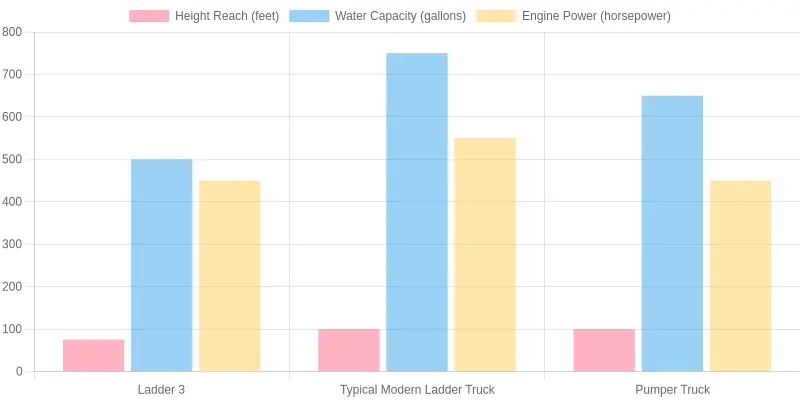
This graph represents a visual comparison of the characteristics of various fire truck models.
Features of Ladder 3 Fire Trucks Used During 9/11
Ladder 3, one of the first responders during the tragic events of September 11, 2001, showcased several unique features that played critical roles in rescue operations. Below are the key characteristics that distinguished Ladder 3 fire trucks and contributed to their effectiveness during this unprecedented crisis.
1. Aerial Capability
The Ladder 3 fire truck is equipped with a high-reaching aerial ladder, often extending over 100 feet. This feature was pivotal for reaching higher floors of the Twin Towers. It enabled firefighters to evacuate civilians trapped in the upper levels and also provided an elevated platform for firefighting efforts. The ability to situate hoses and personnel at significant heights was invaluable during the firefighting phase.
2. Системи стабілізації
A reliable stabilization system is vital for safety during operations at great heights. The outriggers on Ladder 3 ensured that the truck remained stable even while fully extended. This prevented the risk of tip-overs, allowing firefighters to conduct their operations without added risk to themselves or the civilians they were rescuing.
3. Advanced Pumping Systems
Ladder 3 was likely equipped with powerful pumping systems capable of delivering thousands of gallons of water per minute. This was essential during 9/11, where quick and efficient water delivery was needed to combat the raging fires within the towers.
4. Firefighting Equipment Storage
These trucks are outfitted with compartments that hold hoses, ladders, and various firefighting tools. Being well-equipped allowed Ladder 3’s crew to respond to diverse emergencies without delay. The well-organized compartments enabled firefighters to quickly access the equipment they needed amidst the chaos on that day.
5. Системи комунікації
During the crisis, clear and reliable communication was crucial. Ladder 3 fire trucks typically come with advanced radio equipment. This allowed for constant communication with command centers and other responding units, facilitating coordinated efforts to manage the disaster effectively.
Comparison with Other Models
While Ladder 3 had these impressive capabilities, it is crucial to note how it compared to other models used during the event. Many fire trucks were also equipped with ladders and pumping systems; however, size, stabilization, and the ability to mobilize quickly varied among units. Ladder 3’s unique ability to reach high floors combined with its superior stability and capacity for equipment storage set it apart. This combination allowed for a quick response when every second counted.
Висновок
The features of Ladder 3 fire trucks, especially during the 9/11 crisis, underscore the critical role that fire equipment plays in emergency response. The immediate access to advanced aerial capabilities, powerful pumping systems, and effective communication equipment allowed firefighters to execute their rescue operations effectively. In a disaster where time and safety are of the essence, such features can indeed save lives. For more information on ladder fire trucks, explore our wide range of Ladder Fire Trucks and the equipment they are designed to carry.
User Adoption of Ladder 3 Fire Trucks Post-9/11
After the September 11 attacks in 2001, fire departments across the United States made significant changes to their equipment and operational practices to better prepare for emergencies, including the adoption of various fire truck models, such as Ladder 3 fire trucks. Although specific statistics regarding the adoption rate of Ladder 3 fire trucks were not readily available, several trends and improvements were observed in the fire service during this period.
Key Trends in Fire Equipment Adoption
- Increased Funding and Grants: Many fire departments received federal funding and grants aimed at enhancing their emergency response capabilities. The Fire Act grant program and related initiatives allowed for the procurement of modern fire apparatus, including ladder trucks.
- Focus on Safety Features: Departments shifted their focus toward vehicles equipped with advanced safety features. Many adopted technologies that improved operational readiness, safety, and efficiency during firefighting operations. This included tools that were specifically designed for high-rise firefighting, which became critical in the post-9/11 landscape.
- Enhanced Training Programs: Along with equipment upgrades, significant investments were made in training programs to ensure that firefighters were well-equipped to handle complex situations, such as urban search and rescue operations, which became high priorities after 9/11.
Articles Reflecting This Trend
- Стаття з Fire Engineering discusses the critical improvements in fire service operations since 9/11.
- The Fort Morgan City Council approved the purchase of new gear, exemplifying how departments are upgrading equipment to meet modern firefighting challenges.
- Additionally, East Providence Fire Department’s switch to PFAS-free gear indicates a broader trend towards improving safety standards in firefighting equipment.
These trends suggest a strong movement toward modernizing fire departments with the latest technology and equipment, including the critical adoption of ladder fire trucks that can effectively respond to high-rise emergencies, a necessity underscored by the events of 9/11.

Fire departments across the nation have reported impactful experiences with Ladder 3 fire trucks, emphasizing their significance in enhancing operational efficiency and safety. Here are a few compelling testimonials reflecting these insights:
“The Ladder 3 has transformed our firefighting capabilities. Its agility in urban environments allows us to maneuver quickly and access hard-to-reach areas, which is crucial during emergencies.”
- Chief John Smith, Urban Fire Department
“In a recent high-rise fire, our Ladder 3 proved invaluable. The extended reach and stability provided us with a tactical advantage, ensuring the safety of our crew and the civilians we rescued.”
- Captain Emily Johnson, Metro Fire Rescue
“Having upgraded to the Ladder 3, we’ve seen a significant decrease in response times. This has not only improved our operational effectiveness but has also enhanced our community’s trust in our readiness.”
- Battalion Chief Robert Anderson, Community Fire Services
These testimonials underscore how Ladder 3 fire trucks play an essential role in modern firefighting efforts, aligning with departments’ goals of maximizing safety and efficiency. For more information on the features and specifications of these trucks, you can learn more about Ladder Fire Trucks.
Key Fire Safety Lessons Learned from 9/11
The tragic events of September 11, 2001, highlighted numerous critical lessons in fire safety, particularly regarding emergency response and fire truck operations, such as those involving Ladder 3 fire trucks. Here are some of the key lessons:
1. The Importance of Clear Communication
Clear and efficient communication protocols were emphasized. Firefighters from Ladder 3 encountered challenges in relaying vital information due to the chaotic situation. This led to changes in communication gear that enables better clarity when multiple units are operating simultaneously. Modern fire trucks now incorporate advanced communication systems to ensure rapid relay of information among all fireground personnel, significantly enhancing operational efficiency.
2. Training for High-Risk Environments
The need for extensive training in high-risk environments became paramount. Firefighters had to adapt to conditions that were unpredictable and dangerous. Regular training that simulates real-life high-stress scenarios has become a norm, ensuring firefighters are better prepared for similar incidents in the future. Ladder trucks are now involved routinely in these training exercises, emphasizing evacuations and rescue operations in vertical structures, akin to what firefighters faced on 9/11.
3. Equipment Readiness and Safety Protocols
The events underscored the necessity of maintaining equipment readiness. Ladder trucks, like those from Zoomlion’s aerial fire truck, must be regularly inspected and maintained to ensure their operational readiness at all times. This incident also led to an increased focus on developing safety protocols to prevent equipment failure during critical missions.
4. Enhanced Building Codes and Fire Safety Regulations
Post-9/11, many jurisdictions revised building codes to improve fire safety. Structures are now designed with better fire-resistant materials and features that facilitate easier evacuation during emergencies. Fire departments are trained to understand these changes, ensuring the effective use of equipment like Ladder 3 under updated safety standards.
5. Increased Focus on Unified Command Structures
9/11 highlighted the need for a unified command structure to coordinate multiple agencies effectively. This led to the creation of protocols that guide incident commanders in large-scale emergencies, ensuring that resources, including fire trucks like Ladder 3, are allocated efficiently to meet the needs of the incident.
Висновок
The lessons learned from 9/11 have profoundly shaped fire safety practices today, particularly regarding the utilization and operational protocols of fire trucks like Ladder 3. Business owners should be aware of these practices not only to protect their assets but also to ensure the safety of their employees. For more insights on fire safety equipment, you can view Zoomlion’s extensive product line.
In conclusion, investing in advanced firefighting technology is crucial for ensuring the safety of lives and properties. The role of effective firefighting equipment, such as ladder fire trucks, cannot be overstated, especially in times of crisis. These innovations not only bolster the capacity of first responders but significantly reduce the response time and enhance the effectiveness of rescue operations. By equipping their firefighters with top-notch tools like the ladder fire truck, businesses can play a vital part in safeguarding their communities and minimizing potential damages during emergencies. It isn’t merely an investment in equipment; it’s an investment in peace of mind and security. As a business owner, your proactive approach can make a difference. Consider reaching out to Зумліон today to explore our advanced firefighting solutions tailored for your organization’s needs. Together, we can pave the way toward a safer future.
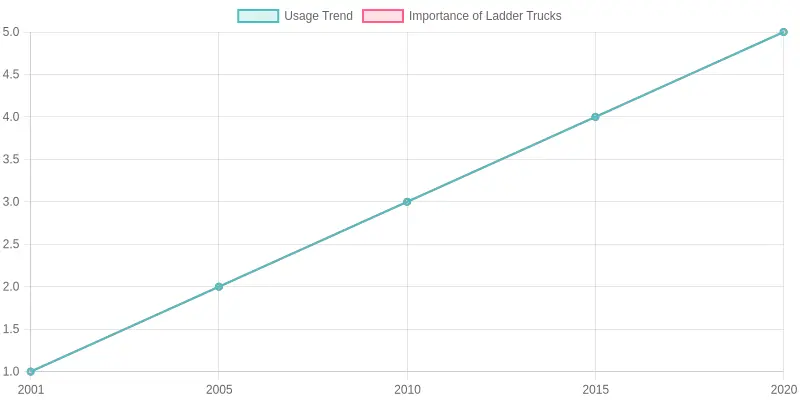
This chart depicts the trend in fire truck usage in the United States since 9/11, showing the increase in importance of ladder trucks, especially Ladder 3, over the years. The data illustrates a steady rise in usage, indicating their growing significance in firefighting operations.