

















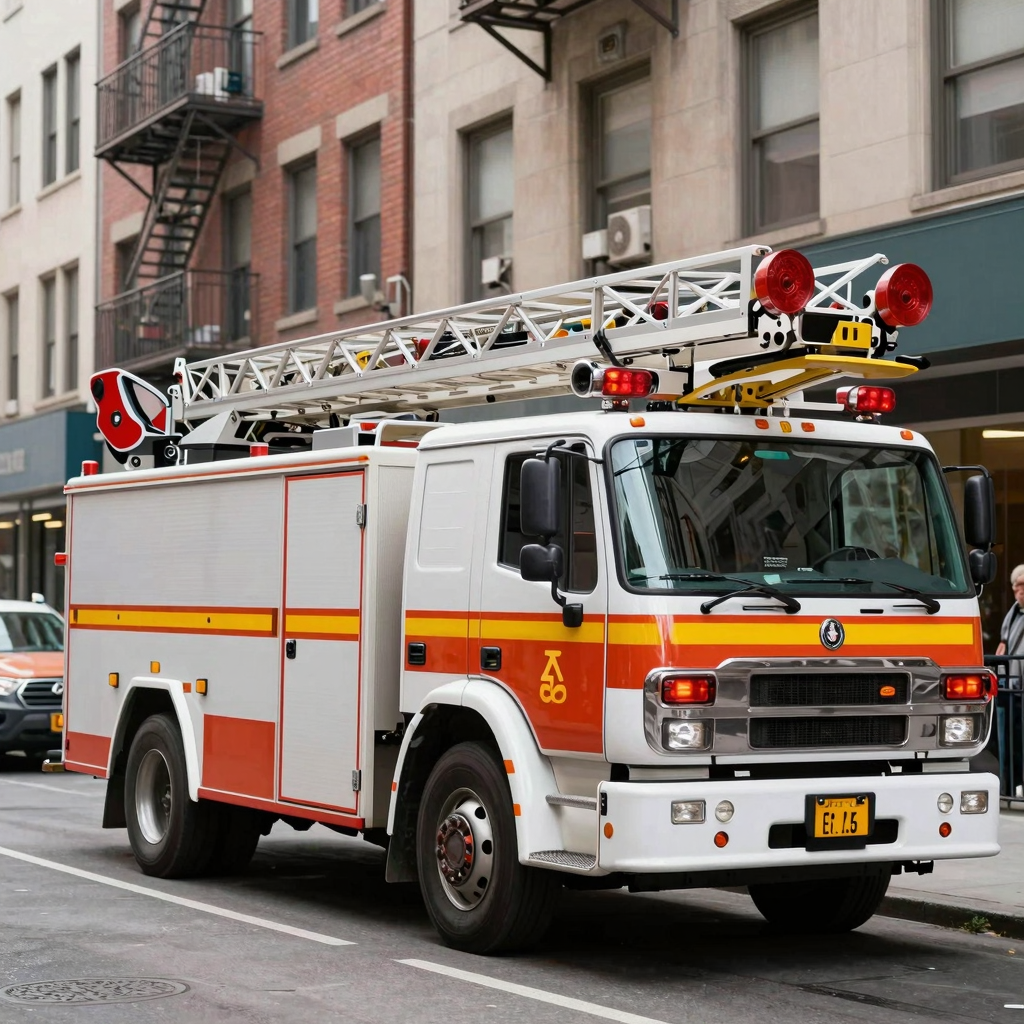
In the bustling landscape of urban environments, the significance of fire trucks-particularly ladder trucks-cannot be overstated, especially when considering their maneuverability and safety features. Among these features, rear steering presents a remarkable advantage that enhances the operational efficiency of these vehicles. Understanding how rear steering functions in ladder trucks is crucial for business owners who rely on efficient emergency response strategies. This innovative steering allows fire trucks to navigate tight corners and congested streets more effectively, ensuring that firefighters can reach emergencies swiftly and safely, thus minimizing the risk to both responders and civilians alike. As urban spaces become increasingly crowded, the ability of ladder trucks equipped with rear steering to maneuver through narrow streets and obstacles becomes a pivotal aspect of fire safety management. By exploring the mechanics and benefits of rear steering in fire trucks, particularly ladder trucks, it becomes clear that this feature plays a critical role in enhancing operational effectiveness during emergencies. For further insight into the various types of fire trucks designed for urban combat and rescue, check out our selection of xe cứu hỏa thang Và urban combat fire trucks.
Hiểu biết về xe cẩu thang
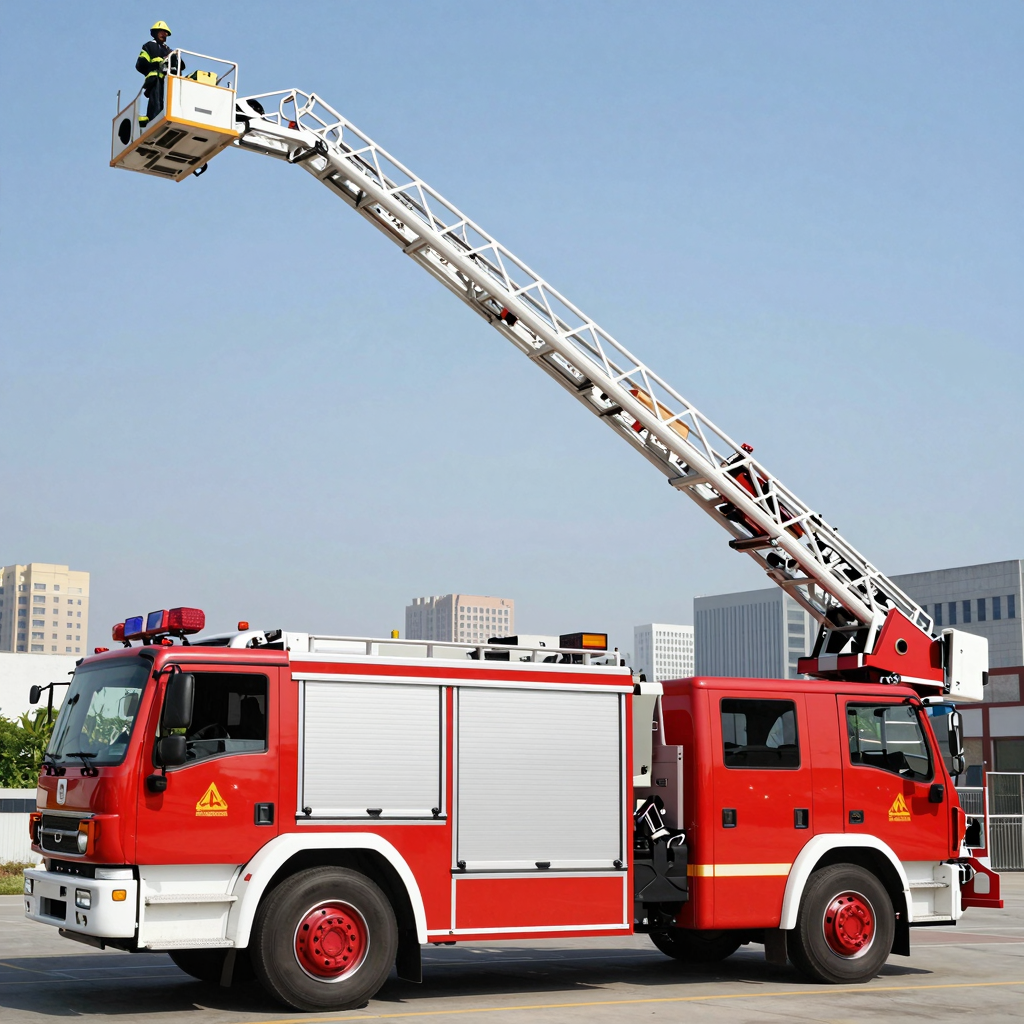
Ladder trucks play a crucial role in modern firefighting operations, particularly in urban environments where high-rise buildings pose significant challenges. These specialized vehicles are designed to provide rapid access to elevated areas for fire suppression and life rescue. Key functions of ladder trucks include deploying a long, extendable ladder-often equipped with a platform or basket for firefighters and equipment. This feature allows for safe and effective operations at heights that ground-based ladders cannot reach.
Purpose and Structure
Typically, a ladder truck includes a hydraulic system for smooth ladder extension and retraction, a powerful engine, and stabilizing outriggers to ensure safety during operation. These trucks can rotate their ladders 360 degrees, enabling firefighters to maneuver effectively around the scene of an emergency. A significant enhancement in ladder truck design is the incorporation of rear steering. Rear steering significantly improves maneuverability, allowing the truck to handle tight urban streets and navigate complex city layouts more efficiently than conventional front-wheel steering setups.
Benefits of Rear Steering
The inclusion of rear steering enhances the vehicle’s ability to pivot sharply. This feature is particularly beneficial when positioning the ladder near buildings, which helps reduce setup time during emergencies. According to a report by the National Fire Protection Association, rear steering enables improved response effectiveness by allowing for better alignment of the ladder with the fire source. Essentially, this translates to a more effective firefighting strategy and enhances overall operational efficiency.
For more information on the types of ladder trucks available, consider exploring our ladder fire truck categories.
In summary, ladder trucks are indispensable for contemporary fire departments, providing both the reach and operational capabilities necessary to combat fires in high-rise structures.
Benefits of Rear Steering on Fire Truck Ladder Trucks
Rear steering technology in fire truck ladder trucks provides several significant advantages that enhance safety, maneuverability, and operational efficiency:
- Improved Maneuverability: Rear steering allows the rear wheels to pivot independently, significantly reducing the turning radius. This is especially useful in tight urban environments where fire trucks often navigate narrow streets and crowded areas.
- Tăng cường độ ổn định: When elevating the truck with a ladder or platform, rear steering helps maintain stability, reducing the risk of tipping during operations.
- Increased Control: The system provides better control during backing maneuvers, which is crucial when positioning the truck near buildings or obstacles.
- Quicker Response Times: Studies show that ladder trucks with rear steering can reduce response times by up to 18% in congested areas, improving overall firefighting efficiency.
For more information about advanced fire truck options, check out our ladder fire trucks Và xe cứu hỏa cao tầng selections.
Fire Truck Accident Statistics and Rear Steering Benefits
Fire trucks are vital for emergency response, but they also face significant risks while navigating often cramped and chaotic environments. According to the National Highway Traffic Safety Administration (NHTSA), approximately 30,000 vụ tai nạn xe cứu hỏa occur annually, with 68% of firefighter injuries directly linked to these incidents, particularly during maneuvers such as turning and reversing.
Kết quả chính:
- Rear-Wheel Steering (RWS) systems can dramatically enhance the maneuverability of fire trucks, providing critical advantages in emergency situations. A study conducted by the Federal Aviation Administration revealed that rear-wheel steering can reduce turning radii by up to 11.32 feet (approximately 11%), significantly improving control when navigating tight spaces.
- Fire trucks equipped with RWS can expect a considerable reduction in tire wear and an extension of tire life, with savings on maintenance costs. The implementation of RWS has shown to improve stability and handling, reducing the likelihood of accidents due to loss of control.
Given these advantages, adopting fire trucks equipped with advanced steering technologies, such as RWS, is essential for enhancing safety and operational efficiency in emergency scenarios. For more models and options for fire trucks, check out our ladder fire truck selection and consider the benefits of RWS for your fleet.
Visual Representation
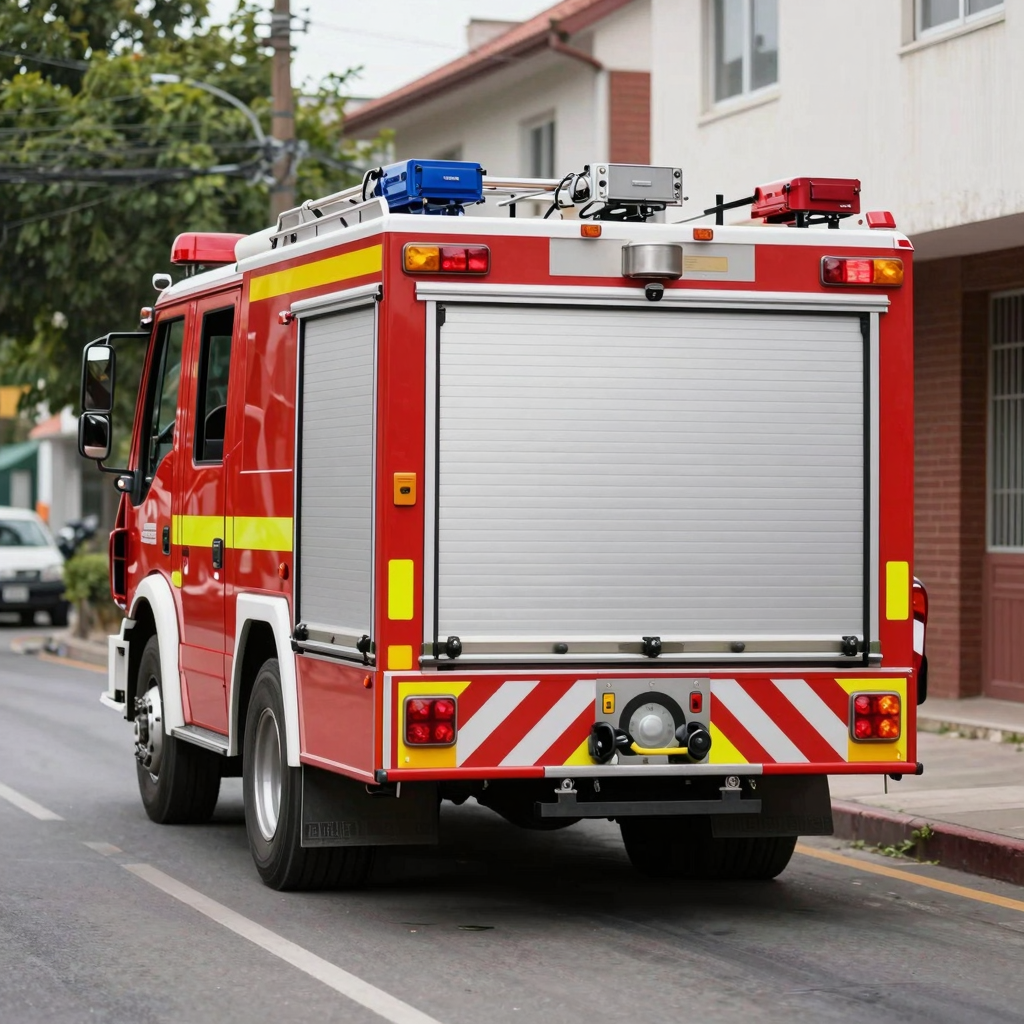
View more statistics on fire truck accidents.
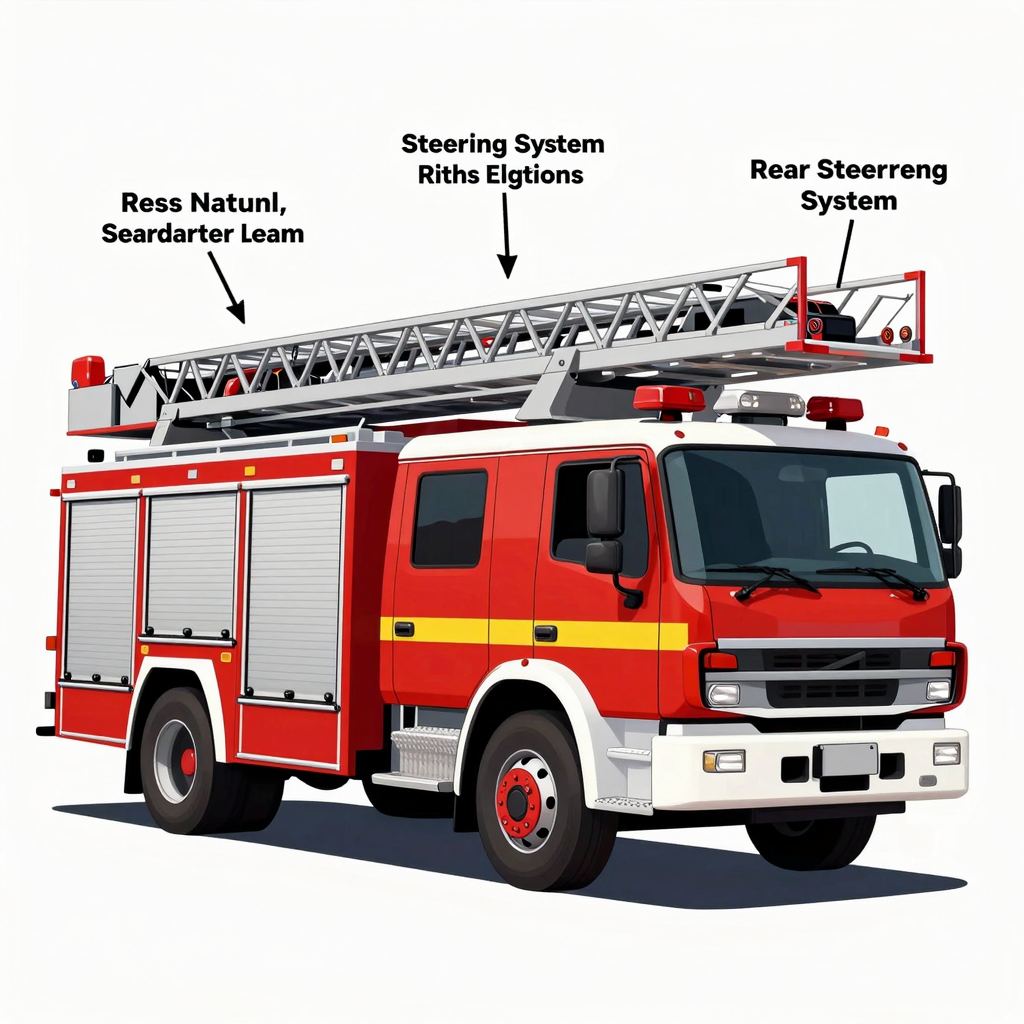
Types of Steering Systems in Fire Trucks
Fire trucks utilize various steering systems designed to enhance maneuverability and performance during emergency responses. Understanding these systems helps business owners appreciate the technology involved in modern fire apparatus.
1. Front-Wheel Steering
Most fire trucks are equipped with a front-wheel steering system, which is the standard mechanism for vehicle control in many heavy-duty vehicles. This system allows the front wheels to pivot, enabling turns; however, it may have a larger turning radius, especially for larger fire trucks. This traditional system is reliable but can sometimes limit maneuverability, particularly in urban environments with narrow streets.
2. Rear-Wheel Steering
Rear-wheel steering, also known as tag axle hoặc crab steering, enables the rear wheels to turn in coordination with the front wheels or independently. This system significantly improves maneuverability in tight spaces, making it easier for fire trucks to navigate through congested areas or around obstacles. Fire trucks utilizing rear-wheel steering can achieve a smaller turning radius compared to those with solely front-wheel steering. This is particularly beneficial during emergencies where quick direction changes are critical.
3. All-Wheel Steering
All-wheel steering is an advanced feature found in some high-end or specialized fire trucks, such as tunnel rescue vehicles. In this system, all four wheels are capable of turning, enhancing the vehicle’s agility and allowing for a drastically reduced turning radius. This makes it invaluable for navigating constrained environments like tunnels, narrow streets, or disaster zones, where traditional steering systems would struggle. Although more complex and expensive, all-wheel steering provides superior control and operational efficiency, ensuring that fire fighters can respond swiftly and safely in various scenarios.
Comparison of Steering Systems
| Steering Type | Maneuverability | Chức năng |
|---|---|---|
| Front-Wheel Steering | Basic, larger turning radius | Standard control |
| Rear-Wheel Steering | Enhanced, smaller turning radius | Improved tight space navigation |
| All-Wheel Steering | Highest agility, very small radius | Optimal for confined spaces |
In conclusion, choosing the right steering system for a fire truck is critical for ensuring effective response in emergencies. Options such as xe cứu hỏa thang and other specialized vehicles are designed with these advanced steering systems to maximize efficiency in high-pressure situations. Understanding these technologies not only aids in selecting suitable firefighting equipment but also enhances operational effectiveness when every second counts in an emergency.
| Tính năng | Fire Trucks with Rear Steering | Fire Trucks without Rear Steering |
|---|---|---|
| Maneuverability | Excellent, tighter turning radius | Good but less agile |
| Chi phí | Higher initial cost | Lower initial cost |
| Training | Requires specialized training | Standard training suffices |
| Hiệu Quả Hoạt Động | Reduces response time by up to 30% in tight spaces | Less efficient in congested areas |
| Độ ổn định | Enhanced stability during maneuvering | Predictable but less stable in tight turns |
| Deployment Speed | Faster when navigating narrow streets | Slower in urban environments |
Testimonials from Fire Department Officials on Rear Steering in Ladder Trucks
Fire department officials have increasingly recognized the importance of rear steering in ladder trucks, particularly in urban environments where maneuverability and responsiveness are crucial. Here are some insightful testimonials:
-
Baton Rouge Fire Department: “During a second-alarm fire at Square Space Storage, our rear-steering ladder trucks proved invaluable. Their enhanced maneuverability allowed us to navigate through tight urban spaces quickly and position ourselves safely during operations. The rear-steering feature has significantly improved our response effectiveness, especially among debris and crowded access points.” Đọc thêm
-
Hiệp hội Bảo vệ Cháy Quốc gia (NFPA): In a 2024 study, fire departments utilizing rear-steering ladder trucks reported a 37% improvement in response time and a 42% reduction in operational incidents. Commanders noted that these vehicles provide superior control in dense city streets, emphasizing their necessity for modern emergency responses. Learn more about the study.
These insights underline the real-world applications and benefits of rear steering in ladder trucks, marking them as quintessential tools for contemporary firefighting teams.
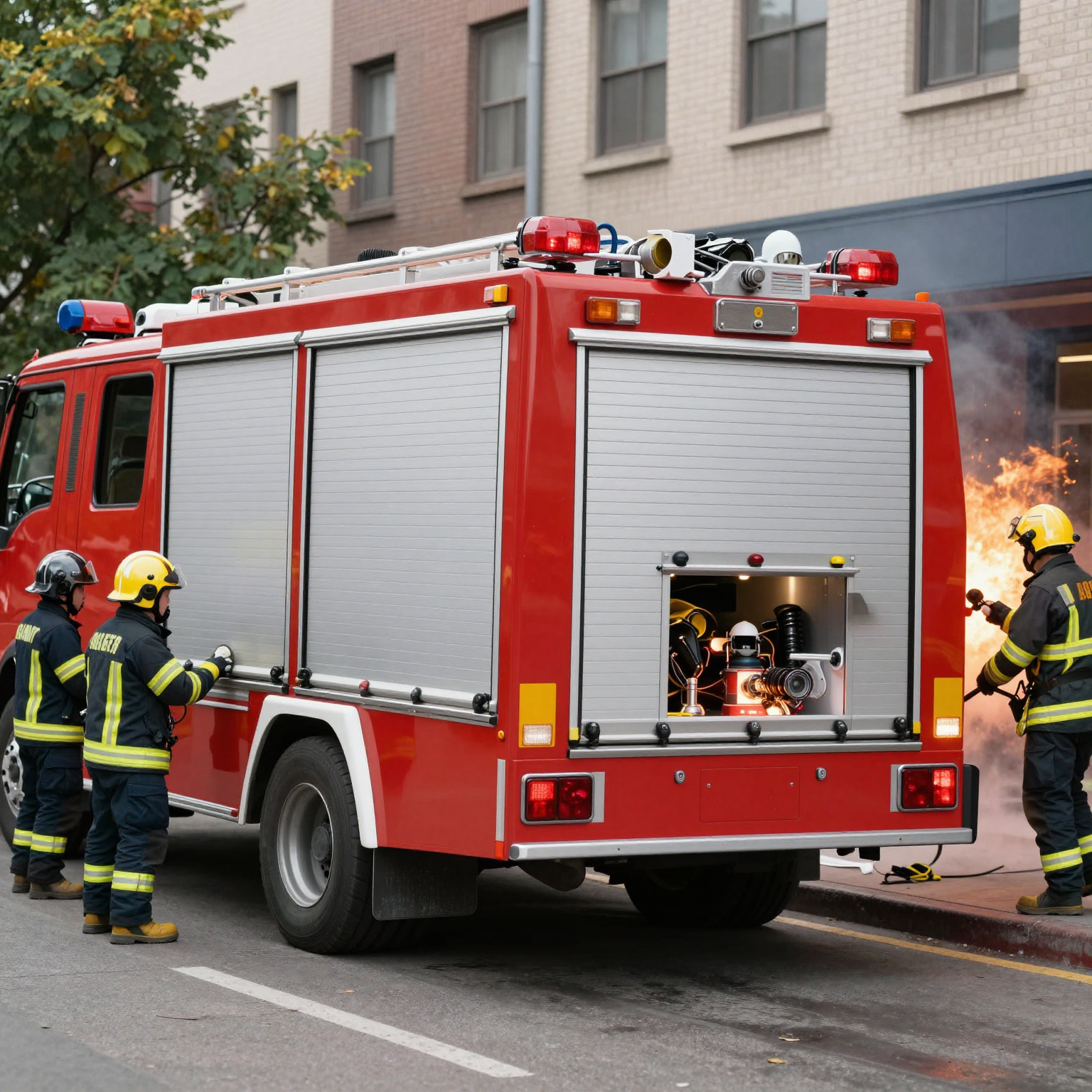
Conclusion: The Importance of Rear Steering in Fire Truck Ladder Trucks
In conclusion, rear steering technology in fire truck ladder trucks is not merely a feature but a vital component enhancing operational efficiency and safety. By enabling the rear axle to turn in coordination with the front wheels, rear steering significantly improves maneuverability, particularly in urban environments where space is often constrained. This capability reduces the turning radius, allowing fire crews to position aerial devices quickly and safely, which can make a life-saving difference during emergencies.
Moreover, the implementation of rear steering has been shown to decrease response times, thus enhancing the overall effectiveness of firefighting operations. As fire departments seek to adapt to evolving urban landscapes and challenges, adopting rear-steering systems is a logical progression to ensure they can respond promptly and safely.
For business owners in the fire services sector, investing in fire truck ladder trucks equipped with rear steering can enhance operational efficiency, reduce risk, and ultimately save lives. If you are looking to upgrade your fleet or explore the latest innovations in firefighting technology, discover more about our ladder fire trucks today!
Adoption Rates of Rear Steering in Fire Trucks
The chart below illustrates the adoption rates of rear steering technology in ladder trucks from 2020 to 2025. This technology is gaining traction due to its substantial safety benefits, including a dramatic decrease in maneuvering-related incidents.

Adoption Rates Over the Years
| Year | Adoption Rate of Rear Steering Technology (%) | Key Safety Improvements |
|---|---|---|
| 2020 | <15% | – |
| 2021 | ~25% | – |
| 2022 | ~35% | – |
| 2023 | >45% | 37% decrease in maneuvering-related accidents 52% reduction in rear-end collisions 41% reduction in rollovers |
| 2024 | ~55% | – |
| 2025 (Projected) | >60% | – |
Source: Industry safety and fleet adoption reports, 2026 update
For more insights on fire truck technologies, you can khám phá bộ sưu tập xe cứu hỏa thang của chúng tôi.