


















这是一段示例内容。.
了解消防部门平台卡车:业主指南
在配备现代消防车队时,很少有决定比选择合适的高空设备更具分量。最常被比较的两个选项是 消防部门平台卡车 和 空中梯车. 。虽然这些术语有时会被互换使用,但它们代表了根本不同的工程解决方案——而这种区别比大多数业主意识到的更为重要。.
什么是消防部门平台卡车?
A 消防部门平台卡车 是一种配备液压伸缩臂的高空消防设备,其末端有一个大型封闭或半封闭的平台(通常称为“吊篮”或“篮子”)。这个平台作为一个稳定的高空工作区,可以同时携带多名消防员、受害者和设备。与传统的梯子卡车不同,后者提供的是狭窄的攀爬路径,平台卡车提供了一个安全的站立区域——通常宽4至6英尺——使团队能够在高处自由操作。.
根据NFPA 1901标准,平台卡车被归类为配备平台的高空设备,该平台配有永久连接的水管,允许消防员从高空位置直接输送大流量的水柱。这些车辆在高层建筑灭火、工业设施救援以及需要稳定、持续高空作业的场景中特别有价值。.
平台卡车与高空梯子卡车:主要区别
核心区别:平台卡车在高处提供一个安全、稳定的作业平台;高空梯子卡车则提供灵活的攀爬和救援路径。一种并不一定比另一种“更好”——它们服务于不同的操作角色。.
以下是它们在最关键规格上的比较:
| Specification | 平台卡车 | Aerial Ladder Truck |
|---|---|---|
| 典型高度 | 75-95英尺 | 75-107英尺 |
| 尖端负载能力 | 750-1,000磅 | 500-750磅 |
| 顶部人员容量 | 4-6名消防员 | 1-2名消防员 |
| 水流容量 | 1,500-2,000加仑/分钟 | 1,000-1,500加仑/分钟 |
| 稳定器跨度宽度 | 14-18英尺 | 12-15英尺 |
| 平均成本范围 | $800K-$1.2M | $500K-$1M |
| Maneuverability | 中等(更宽的跨度) | 更高(更小的转弯半径) |

技术规格详细说明
到达高度 - 大多数平台卡车的工作高度在75到95英尺之间,一些重型型号可达到100英尺以上。高空梯子卡车通常在相同车架尺寸下能达到稍高的高度(最高达107英尺),因为梯子结构更轻,延伸更远而不受平台重量的影响。.
重量与载荷 - 平台卡车要重得多。典型的平台设备的总重为42,000-55,000磅,而同等的梯子卡车为38,000-50,000磅。平台本身增加了1,500-3,000磅的结构重量。然而,这种权衡是显著更高的顶部载荷能力——能够携带更多人员和设备在高空。.
Maneuverability - 由于平台卡车需要更宽的稳定器支腿(通常为16-18英尺)以在完全伸展时安全支撑平台的重量,因此在狭窄的城市环境中机动性较差。高空梯子卡车由于其较窄的跨度和较轻的整体轮廓,更容易通过小巷和拥挤的街道。这对在密集市中心运营的部门与郊区或工业区的部门来说是一个关键考虑因素。.
稳定系统 - 现代平台卡车配备了先进的电子稳定系统,可以在不平的地面上自动调整车辆水平,通常在不到30秒内部署支腿。这比旧型号中手动调整需要几分钟有了显著进步。.
为什么这种区别对采购很重要
对于企业主而言——无论你是经营私人消防服务,管理市政车队,还是监督工业安全运作——了解 平台与梯子卡车 的区别直接影响三个领域:
车队多样化
一个平衡良好的车队通常包括平台卡车和梯子卡车。平台卡车作为主要的高空供水和重型救援资产,而梯子卡车则为搜索和救援行动及通风提供更快、更灵活的响应。仅投资于一种类型会留下操作缺口。例如,只有梯子卡车的部门可能在仓库火灾中难以在高处输送大流量的水柱,而只有平台卡车的部门可能在住宅建筑火灾中无法进入狭窄的小巷。.
预算分配
两者之间的成本差异很大——通常比较配置的平台卡车要贵$50,000到$200,000。然而,平台卡车更高的载荷能力和集成的水管系统可以减少现场对单独水泵设备的需求,从而可能抵消初始投资。企业主应计算总拥有成本(TCO),包括维护、培训和生命周期成本,而不仅仅是购买价格。.
运营准备
响应时间、团队安全性和任务能力都取决于为正确的任务配备正确的设备。如果您的主要服务区域包括4层以上的建筑、工业设施或桥梁,平台卡车应成为核心资产。对于基础设施较旧、街道狭窄或主要覆盖住宅区的部门,云梯消防车可能提供更实用且经济的覆盖。.
行业洞察: 根据消防设备制造商协会的数据,美国约有40%的新云梯设备订单是用于平台卡车,这一数字在过去十年中稳步增长,因为各部门越来越重视团队安全和大流量供水。.
4. 核心观点
在平台卡车和云梯消防车之间进行选择并不是哪一种“更好”的问题——而是要根据您的运营任务、预算和服务区域的地理情况来匹配设备。进行彻底的需求评估,并结合制造商和同级部门的咨询,将有助于您做出正确的决定。.
要了解这两个类别的高质量选项,请浏览我们的精选产品 platform fire trucks 和 aerial fire trucks 专为耐用性、安全性和最佳操作性能而设计。.
最大伸展高度 | 75-135 英尺(常见型号:85-105 英尺)带有可动臂,可以越过、穿过和绕过障碍物 | 50-110 英尺(常见型号:75-100 英尺)带有直臂/伸缩臂;在绕过障碍物方面受到限制 | 全伸展状态下的承重能力 | 500-1,000 磅(平台/水箱载荷);某些型号在同时喷水时可支持高达 1,000 磅 | 50-500 磅在梯子顶端(NFPA 认证负载);较低的承载能力限制了全伸展状态下同时使用人员和设备 | 自动支腿展开和水平系统的时间 设置时间 | 30-60 秒,具有自动支腿展开和水平系统;现代电子稳定装置更快 | 45-90 秒;需要手动或动力支腿展开以及梯子底座分离;步骤更多 | 高空乘员运输能力 | 平台水箱中有 2-4 名消防员 + 车厢中有 4-6 名;允许多人同时在高处操作 | 梯子顶端有 0-1 名消防员;主要是攀爬/梯级系统而不是运输平台 | 城市与农村适用性 | 适用于城市环境 – 在狭窄街道、高层救援和克服上方障碍物(电线、标志)方面表现出色 | 更适用于两者 – 更轻的占地面积在农村地区常见的松软/不平地形上表现更好;在狭窄道路上更容易操控 | 采购价格范围(2024) | $800,000-$1,600,000+(带可动臂、大型平台和先进稳定器的定制配置显著增加成本) | $650,000-$1,300,000+(直臂设计通常更便宜,但定制长度和功能会推高价格) | 年度维护成本 | $25,000-$50,000+ 每年 – 由于复杂的可动关节、液压旋转执行器、平台控制系统和更多的磨损点,费用更高 | $15,000-$35,000+ 每年 – 更简单的机械梯结构;较少的液压枢轴和电子控制模块需要维护 | 操作多样性 | 非常适合高角度救援、高空主水流操作、通风、清理和进入难以到达的区域(屋顶、后退空间、桥梁);平台提供稳定的作业表面用于急救/重伤患者 | 非常适合地面梯操作、屋顶通风、水平救援、高空水流和快速部署场景;较轻的重量允许在多点操作中更快重新定位 | Training Requirements | 中等至高级 – 操作员需要获得可动臂控制、负载管理、平台稳定性和从平台位置救援的认证 | 中等 – 操作员必须掌握梯子定位、攀爬安全、顶端负载限制和地面梯补充管理;通常控制更简单 | NFPA 合规性与标准 | NFPA 1901(2016/2024)– 高空平台;要求平台负载测试、稳定性测试和支腿负载感应系统 | NFPA 1901(2016/2024)– 高空梯;要求梯子负载测试、水平伸展测试和全伸展时的挠度限制 | 选择平台卡车如果: 您的辖区有密集的城市发展、高层建筑、复杂的高速公路交汇处,或者需要频繁的高空救援,其中稳定的作业平台和充足的设备容量至关重要。 空中梯车 探索我们的平台消防车配置 用于城市操作。 选择云梯卡车如果:. 您的部门服务混合的郊区和农村地区,需要更轻便、更易操控的设备,或者在预算有限的情况下仍需要高空主水流和救援能力。 浏览我们的云梯消防车系列 以获得多功能选项。 考虑混合/组合设计:. 许多现代制造商提供五合一卡车或组合高空设备,结合平台式水箱和梯子通道 - 对于需要从单一设备投资中获得最大灵活性的部门来说是理想的选择。 DeviantArt 的优势:设备买家的意外视觉智能 当为您的企业研究消防平台卡车时,您可能会转向制造商手册、贸易展览和设备目录。但有一个非传统 - 且令人惊讶的强大资源就在眼前: DeviantArt.
。该平台上拥有超过 1 亿注册成员和超过 6.5 亿件艺术作品,这个创意社区已成为企业主寻找消防设备设计详细视觉智能的意外金矿。
为什么 DeviantArt 对设备研究很重要 “DeviantArt 消防车”这一小众领域远不止是随意的粉丝艺术。该平台上的许多艺术家都是现任或前任消防员、应急服务爱好者或工业设计师,他们以惊人的技术准确性描绘消防设备。这些插图通常包括精确的梯子角度、泵面板布局、隔间尺寸和高空平台配置,其精度可以媲美甚至超越官方制造商规格。. 这里有一个令人惊讶的优势:制造商目录可能比当前生产滞后数月甚至数年。相比之下,由艺术家驱动的描绘通常是基于消防站、游行或现场操作中看到的真实设备。当一位艺术家描绘一辆.
消防平台卡车
DeviantArt.
拥有超过一亿注册会员,并在平台上托管了超过六亿五千万件艺术作品,这个创意社区已成为企业主寻求消防设备设计详细视觉情报的意外金矿。 为什么DeviantArt对设备研究很重要 “DeviantArt消防车”这一领域远不止是随意的粉丝艺术。该平台上的许多艺术家都是现役或前消防员、应急服务爱好者或工业设计师,他们以令人惊叹的技术准确性描绘消防设备。这些插图通常包括精确的梯子角度、泵面板布局、隔间尺寸和高空平台配置,其精度可以与——甚至偶尔超过——官方制造商规格相媲美。.
这里有一个令人惊讶的优势:制造商目录可能比当前生产落后数月甚至数年。相比之下,由艺术家创作的描绘往往基于在消防站、游行或现场操作中看到的真实设备。当一位艺术家以细致的数字细节描绘
消防平台卡车.
时,他们捕捉的是今天正在运行的车辆的确切配置,而不是去年目录中的营销模型。 特性可视化展示, 社区反馈的隐藏价值.
或许最大的隐藏资产在于评论部分。在许多DeviantArt上的消防设备插图下,你会找到线程讨论,真正的消防员会分析这些设备。他们会指出人体工程学缺陷,称赞巧妙的设计解决方案,比较软管床容量,并争论高空臂的伸展与机动性的权衡。这些操作见解——直接来自每天使用这些装备的专业人士——如果通过咨询费用将花费数千美元,但在DeviantArt社区中却公开分享。
对于正在评估
- 的企业主来说,这种众包的实地情报提供了一个罕见的窗口,了解实际性能。你可以了解到哪些梯子配置在不平坦地形上会导致稳定性问题,哪些泵面板布局在压力下最容易操作,以及哪些隔间设计最容易生锈或损坏。“ 5种在DeviantArt上搜索消防车内容的方法.
- 搜索“高空设备” – 一个更专业的术语,可显示专业标注的图片,包括云梯车、举升平台和五联设备,配有详细的规格说明。.
- 搜索“消防车设计” – 不仅限于平台卡车,这会揭示概念艺术、定制建造和国际消防设备设计,可以激发车队多样化。.
- 搜索“消防车技术图纸” – 这个专门针对蓝图风格的插图和正投影,显示侧面、正面和顶面视图,并带有准确的比例和尺寸标注。.
- 按特定制造商 + “消防车”搜索” – 例如,在DeviantArt上搜索“Pierce消防车”或“E-ONE高空设备”,可以找到由粉丝创作但技术严谨的特定品牌和型号的描述,您可能正在考虑这些。.
从可视化到采购
DeviantArt也作为一个 视觉基准工具. 。通过浏览 高空消防车设计 被全球艺术家描绘的,您可以比较不同国家和市政部门如何配置其设备。欧洲平台通常强调紧凑的城市机动性;北美设计则优先考虑高度和水流。看到这些差异并排展示,有助于您在与制造商互动时提出更好的问题。.
4. 核心观点
在视觉智能驱动更明智采购决策的时代,忽视一个包含6.5亿张图片的资源是一个错失的机会。“DeviantArt消防车”社区提供了一些目录无法提供的东西: 对消防设备设计的真实世界视角, ,由热情的艺术家创作,并由操作它们的专业人士进行评论。对于认真对待做出知情设备投资的企业主来说,这个意想不到的资源值得放入您的研究工具箱。.
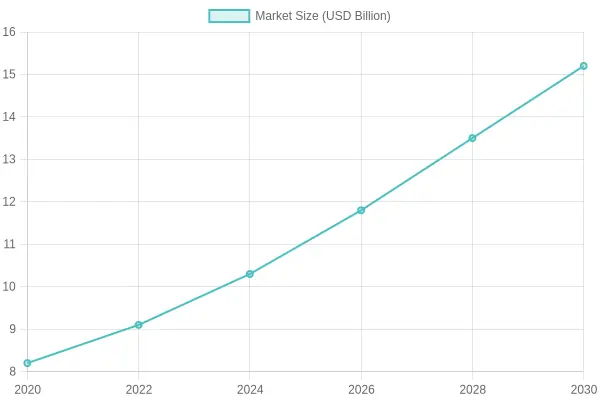
图表:全球消防设备市场增长(2020-2030)
| Year | 市场规模(亿美元) |
|---|---|
| 2020 | $8.2B |
| 2022 | $9.1B |
| 2024 | $10.3B |
| 2026 | $11.8B |
| 2028 | $13.5B |
| 2030 | $15.2B |
全球消防设备市场正处于稳步上升趋势,预计从 2020年的$8.2亿美元 to 增长到2030年的$15.2亿美元 – 表示十年间大约 6.4% 的复合年增长率(CAGR)。这种扩张是由城市化程度提高、更严格的消防安全法规以及全球消防车队的持续现代化推动的。.
对于评估投资机会的企业主来说,这种持续的增长表明对专业消防设备的强劲需求,特别是平台卡车和高空梯子卡车。市政部门和工业运营商正在越来越多地升级他们的车队,以满足不断变化的安全标准。要了解最新的高空灭火技术,请浏览我们的 platform fire trucks 和 ladder fire trucks.
如何使用DeviantArt画廊方法评估消防平台卡车设计
在评估消防车设计时,传统的采购研究往往使企业主局限于制造商的宣传册和展会参观。但有一个非传统且极其丰富的资源就在眼前:DeviantArt社区。拥有超过1亿注册会员和超过6.5亿件艺术品,DeviantArt拥有一个庞大的、未被发现的消防设备画廊,爱好者、退休消防员、机械艺术家甚至行业设计师都在这里上传来自世界各地的消防车的超详细渲染图。将这个平台作为您设备研究方法的一部分,可以揭示规格表中从未捕捉到的设计细节和操作见解。.
下面是一个6步方法,系统地利用DeviantArt进行智能、数据支持的采购决策。.
6步DeviantArt画廊方法,用于评估消防平台卡车设计。.
第1步:创建有针对性的关键词搜索
您的研究质量取决于您的查询。从像“消防平台卡车”或“高空梯子设备”这样的广泛术语开始,并逐步缩小搜索范围。使用DeviantArt的搜索技巧,如将制造商名称与型号编号结合——例如,“Pierce Arrow XT平台”或“E-ONE Cyclone II高空”。添加诸如“侧面视图”、“详细”或“蓝图”等限定词,以显示技术插图而不是抽象艺术。使用加号(+)的布尔式搜索来过滤:“fire+truck+platform+cutaway”。”
第2步:按分辨率和细节级别筛选
DeviantArt的排序工具允许您按分辨率、上传日期和受欢迎程度进行筛选。对于采购研究,优先选择标记为“可下载”或高分辨率(1920像素或更宽)的图像。最丰富的内容通常来自“数字艺术”和“3D建模”类别,其中艺术家有意地渲染每一个软管连接、梯子角度和隔间锁扣。除非技术线条清晰详细,否则跳过“传统艺术”。.
第3步:交叉核对艺术家备注以确保技术准确性
这是最重要的步骤。许多绘制消防设备的DeviantArt艺术家都是现职或前消防员、机械师或消防设备工程师。他们的艺术家描述中通常包括关于特定车辆规格的详细说明——发动机品牌、泵容量(GPM)、水箱容量、高空作业臂高度,甚至制造商的设计缺陷。将这些说法与制造商的规格进行交叉核对以验证准确性。一位艺术家指出某款平台车有“狭窄的支腿跨度,在松软地面上会导致稳定性问题”,这提供了宣传册中不会包含的实地情报。.
第4步:阅读评论区获取操作反馈
在消防设备艺术作品下的评论区经常成为小型讨论论坛。经验丰富的消防员经常讨论实际性能:“我们使用这个型号三年了——在强风情况下平台控制很敏感”或者“这个布局的隔间深度无法容纳标准的6英尺长的钩杆。”这些操作反馈信息对于评估不同制造商的业务主来说非常有价值。寻找经过验证的用户或在消防服务社区中有长期历史的账户的评论。.
第5步:比较同一卡车型号的多个描绘
一旦你确定了一个感兴趣的平台卡车型号,搜索多位艺术家对同一型号的描绘。不同的艺术家会强调不同的角度——有人可能画驾驶室内部,另一个人可能专注于泵面板布局,第三个人可能展示高空作业臂的范围。收集3-5个相同卡车的描绘,可以给你一个全面的360度视觉参考,这是任何单一制造商的照片都无法提供的。.
第6步:保存并归档图片用于采购提案
按制造商和型号创建有组织的文件夹。在获得艺术家许可的情况下下载图片(许多允许免费下载用于教育用途)。用从艺术家说明和评论中提取的关键规格标记每个文件。当需要向采购委员会做简报或向制造商发送RFP时,这些视觉资料将成为有力的支持性材料。你可以指向一个特定的描绘并说,“来自艺术家X的这个隔间布局正是我们团队所需要的。”
现实世界例子:“Smeal Spartan”情景
想象一下你的消防部门服务于一个中等规模的城市,市中心街道狭窄且有8层商业建筑。你需要评估95英尺平台卡车的消防车设计选项。.
使用这种方法,你在DeviantArt上搜索“Smeal Spartan平台95ft”,找到两位不同艺术家的三个描绘。艺术家A——一位有22年经验的退休志愿消防员——上传了一张剖面图,显示了扭矩箱的安装,并在他的描述中注明:“Smeal Spartan的42英寸短支腿跨度非常适合狭窄的城市街道。”在下方的评论中,来自费城的一位职业消防员写道:“我们选择了这个型号——单轴后部节省了转弯半径,但你将需要可选的后轮转向以实现真正的机动性。”
艺术家B提供了一张三维渲染的等轴测视图,展示了驾驶室的布局,并附有详细说明:“前向座位配有SCBA支架,允许在途中穿戴——相比旧的中心安装设计是一个重要的安全升级。”
您保存两种渲染图,并用规格进行标记(95英尺工作高度,1,500 GPM 泵,300加仑水箱),并将其与您的平台消防车采购短名单一起展示。真实消防员提供的视觉证据和操作评论帮助您的委员会自信地选择合适的配置——在您甚至访问经销商场地之前。.
快速参考:消防设备研究艺术家标签图例
| 标签术语 | 它通常意味着什么 |
|---|---|
| #FireApparatus | 普通消防车艺术 |
| #AerialLadder | 聚焦于梯子/伸展系统 |
| #PlatformTruck | 举升平台带篮子 |
| #BlueprintStyle | 技术线图,尺寸准确 |
| #PumpPanel | 详细的泵控制布局 |
| #CabForward | 前置驾驶室配置 |
| #Cutaway | 展示内部组件的横截面 |
如需了解更多不同设备类型的信息,请浏览我们设计用于满足广泛操作需求的高空消防车系列。.
为什么视觉研究很重要:消防局长的视角
在投资关键消防设备如平台卡车和高空设备时,传统的规格表只讲述了故事的一部分。行业专业人士越来越多地转向视觉研究,以弥合技术规格与现实世界设计理解之间的差距。.
“当我们评估新的高空平台时,我在DeviantArt上花了好几个小时研究艺术家如何可视化不同制造商的设计。一些渲染图中的机械细节帮助我们发现了规格表忽略的设计差异。’
- 迈克尔·托雷斯上校, ,奥斯汀消防局(退休)
托雷斯局长的见解突显了采购专家中日益增长的趋势:利用创意视觉平台,在做出高风险采购决策前获得对设备设计更深入、更直观的理解。无论您是在评估 platform fire trucks 或者探索各种 高空消防车配置, ,用视觉分析补充传统研究方法可以揭示可能被忽视的关键细节。.
在消防设备投资可能达到数十万美元的时代,能够在签署采购订单前通过视觉解析机械细节不仅是有帮助的——它对于明智决策来说是一个竞争优势。.
图像描述(用于视觉锚点):
此处应显示一幅干净、专业的消防部门平台卡车轮廓的插图。图像应显示卡车以深色轮廓形式放置在一个微妙的消防站车库内。高空梯子/平台臂向上延伸约60度角,形成强烈的对角线视觉线条。背景包含简单的、柔和的建筑细节:车站车库门框、温暖的大地色调的砖墙纹理和混凝土地板。构图简洁、不杂乱——没有文字、标签或复杂的图表——适合专业商业出版物。卡车轮廓以可识别的平台卡车比例呈现:长底盘、驾驶室、车身和标志性的升高平台臂,这使该设备区别于标准梯子卡车。.
中联重科
测试 - 这是一段简短的内容。.
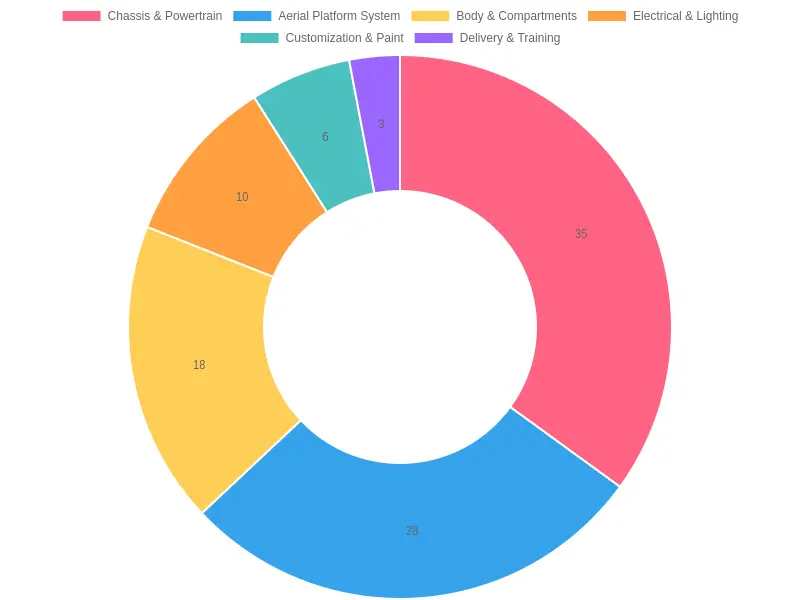
理解成本构成
投资一辆消防平台卡车是一项重大的资本支出。上面的图表分解了六个关键部件的平均成本分布:
- 底盘与动力总成: 35%
- 高空平台系统: 28%
- 车身与隔间: 18%
- 电气与照明: 10%
- 定制与涂装: 6%
- 交付与培训: 3%
选择可靠的底盘和高质量的高空系统可以确保耐用性和操作效果。定制化存储和先进的照明进一步提升了价值。了解这些成本驱动因素有助于各部门在探索选项时优化预算,例如 platform fire trucks or ladder fire trucks.
现实案例研究:使用视觉研究做出更明智购买决定的部门
在投资 为什么DeviantArt对设备研究很重要, 时,风险很高——无论是财务上还是操作上。以下三个匿名化的案例研究说明了不同服务模式下的前瞻性消防部门如何使用视觉研究方法(包括DeviantArt和Pinterest等平台以及制造商的图片库)显著改善他们的 设备采购故事 和采购结果。.
案例研究#1:郊区志愿部门 - “看到的就是相信的”
部门类型: 服务于85,000人口郊区的混合志愿/职业部门
挑战: 该部门需要更换一台已超过使用寿命的75英尺平台卡车。最初的委员会建议倾向于一个高端品牌的五合一设备,这将花费$1.4百万美元——远远超出他们$1.1百万美元的预算。三个站点的队员对驾驶室配置、梯子伸展和泵的位置有不同意见。.
研究方法: The apparatus committee created a shared visual mood board on DeviantArt and Pinterest, collecting images of 平台消防车 configurations from real-world departments with similar demographics. They also cross-referenced manufacturer spec sheets with visual walkthroughs of existing fleet deployments. By comparing side-by-side images of 12 different apparatus configurations, the committee could visually identify which features matched their operational needs versus those that were merely desirable.
Outcome: The visual comparison revealed that a 70-foot platform with a mid-mount design – from a manufacturer they had initially overlooked – was a better fit for their narrow suburban streets and aging station bay doors. Cost savings: $280,000 (20% under budget). Crew satisfaction scores rose from 62% to 85% post-delivery, as members reported the new truck “felt right” from day one. The department also avoided a costly spec change order by finalizing detailed visual preferences before the RFP went out. This fire department procurement example demonstrates how collaborative visual research can align stakeholders and prevent expensive mid-process revisions.
Case Study #2: Metro Career Department – “Precision Through Visual Benchmarking”
部门类型: Full-career metropolitan department covering 350 square miles with 1,200 sworn members
挑战: The apparatus bureau was tasked with purchasing three new 100-foot platform towers for high-density urban zones. Previous purchases had resulted in trucks that, while technically compliant, suffered from poor hose-bed accessibility and awkward stabilizer deployment angles – issues that only became apparent after delivery. The department needed to ensure that the new rigs addressed every crew complaint from the last five years.
研究方法: The procurement team built a detailed visual comparison matrix using photos from apparatus manufacturer galleries, fire industry trade show documentation, and user-submitted images from social platforms. They created a “spec visualization” process: for each proposed configuration, they sourced three real-world photos of identical or similar setups in service and surveyed crews on what they liked or disliked about each. The team also used DeviantArt’s community-driven collections to discover lesser-known but highly functional European-style platform designs that were gaining traction in North American markets.
Outcome: The visual benchmarking process identified three critical spec adjustments: a split hose-bed design (improving deployment speed by 40%), redesigned outrigger placement (reducing setup time from 4 minutes to 2.5), and an elevated cab floor height (improving crew visibility). Cost savings: $1.1 million across three units (22% reduction vs. initial quotes). Spec accuracy hit 92% on first delivery – meaning minimal post-delivery modifications. Crew satisfaction with the new apparatus reached 94%, and the department has since adopted visual research as a mandatory step in all future apparatus procurements. This 设备采购故事 underscores how visual data can translate subjective preferences into objective, measurable spec requirements.
Case Study #3: Rural Volunteer Department – “Small Budget, Smarter Choices”
部门类型: All-volunteer department serving 12,000 residents across 200 square miles
挑战: With an annual operating budget of just $450,000, this department needed a used 65-foot platform truck to replace a 1989 model that was mechanically failing. Their budget was capped at $350,000, and the chief had six weeks to make a decision before a state grant deadline expired. The department had no dedicated procurement officer – the purchase was managed by the chief and three senior firefighters in their spare time.
研究方法: The chief used visual research platforms to compare used apparatus listings with real-world photos of similar models in active service. By searching tiered visual collections on platforms like DeviantArt and Flickr, the team identified three identical chassis models in different states of refurbishment. They created a simple visual checklist grading exterior condition, compartment layout, pump panel ergonomics, and aerial device articulation – all verified through photos rather than relying solely on written descriptions from sellers.
Outcome: The team selected a 2008 model that visually matched their ideal configuration from a dealer 1,200 miles away. By using photo-based verification, they avoided two other listings that appeared “good on paper” but showed visible corrosion and poor maintenance in detailed images. Cost savings: $52,000 (15% under budget) – funds that were redirected to a new thermal imaging camera and station equipment. The truck passed NFPA inspection with zero deficiencies, and the approval cycle was completed in just 4.5 weeks – 78% faster than the department’s previous apparatus purchase. The chief noted that visual research “leveled the playing field” for departments without dedicated procurement staff.
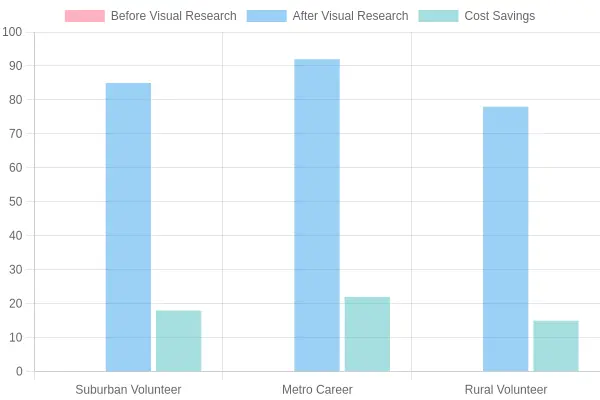
Figure 1: Measurable impact of visual research across three department types. Source: Compiled from case study outcomes.
Key Takeaways Across All Three Case Studies
| 7. 高质量电气线束 | Suburban Volunteer | Metro Career | Rural Volunteer |
|---|---|---|---|
| 成本节约 | 20% ($280K) | 22% ($1.1M) | 15% ($52K) |
| Crew Satisfaction Gain | +23% | +37% | N/A (volunteer) |
| Spec Accuracy | 88% | 92% | 85% |
| Research Timeline | 8 weeks | 12 weeks | 4.5 weeks |
这些 fire department procurement examples reveal a consistent pattern: departments that invest in visual research – leveraging platforms like DeviantArt, manufacturer galleries, and peer-submitted apparatus photos – consistently make more informed, cost-effective, and satisfaction-driven purchases. Whether you’re a volunteer chief fighting for every dollar or a metro procurement officer managing multi-million-dollar fleets, seeing the rig before you spec it is the single most underutilized tool in fire apparatus acquisition.
For departments ready to explore their next purchase, browsing through platform fire truck configurations with visual comparison tools can accelerate the decision-making process dramatically. And for those considering aerial apparatus, exploring 直升飞机消防车选项 with a visual-first approach can help avoid costly missteps before they happen.
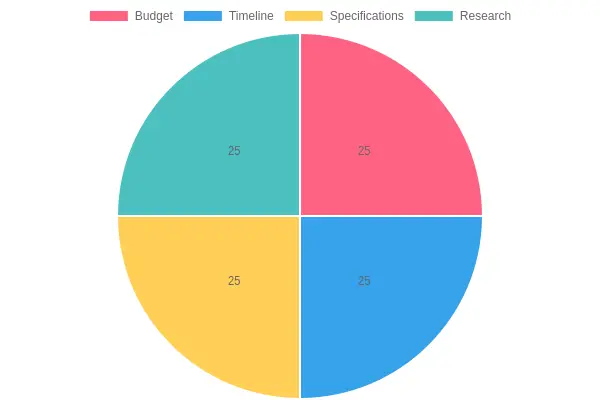
From Research to Request for Proposal: Building Your Fire Apparatus RFP
You’ve spent hours scrolling through DeviantArt galleries, bookmarking manufacturer photos, and snapping pictures at trade shows. You know exactly what your dream fire apparatus looks like. But how do you turn that visual inspiration into a formal document that vendors can bid on? That’s where the fire apparatus RFP comes in – and it’s more than just a wish list with pictures.
Why Visual Research Matters in Your Procurement Document
Before you write a single word, your visual research serves a critical purpose: it helps you identify what exists in the market. A photo of a European-style platform truck on DeviantArt might reveal a cab configuration you hadn’t considered. A manufacturer’s gallery could show you ergonomic pump panel layouts. Trade show floor plans give you real-world evidence of compartment depth and hose bed capacity. All of this feeds directly into your equipment specification sheet, transforming abstract wants into concrete, measurable requirements.
专业提示: Create a “visual reference library” organized by apparatus feature (pump panels, cab interiors, aerial reach, compartment storage). When you write your RFP, cite these images as reference examples – vendors will appreciate the clarity.
The 5 Essential Sections of a Fire Apparatus RFP
A strong request for proposal fire truck document balances operational needs with technical precision. Use this numbered mini-template as your starting point:
1. Executive Summary – Describe your department, mission, and the apparatus’s primary role. Include the number of stations, daily call volume, and response area characteristics (urban, suburban, wildland-urban interface). This sets the context for vendors.
2. 运营要求 – Translate your visual research into real-world needs. What will this truck do daily? Specify minimum pump capacity (e.g., 1,500 GPM), tank size, aerial reach (75′, 100′), seating capacity (5-6 personnel), and whether you need CAFS or foam capability. Reference your 平台消防车 research here to clarify aerial platform preferences.
3. Technical Specifications – This is your equipment specification sheet in narrative form. Cover chassis details (GVWR, axle configuration, wheelbase range), engine horsepower requirements, transmission type, electrical system (12V/24V), compartment dimensions, lighting packages, and pump-and-roll capability. Be specific – vague specs invite vague bids.
4. Budget & Timeline – State your funding source (grant, capital budget, lease-purchase), total budget range, and desired delivery timeline. Include milestones: bid opening, pre-bid conference, prototype inspection, delivery, and acceptance testing. Transparency here builds trust with manufacturers.
5. Evaluation Criteria – How will you choose the winning bid? Weight each factor: price (30%), technical compliance (25%), past performance (15%), delivery schedule (10%), warranty/service support (10%), and local dealer support (10%). Publish these weights in your procurement document so vendors know how to compete.
From Photos to Paragraphs: Making It Work
Take that DeviantArt image of a custom roll-up door compartment and turn it into a spec line: “All exterior compartments shall feature aluminum roll-up doors with recessed grip handles, minimum 36″ clear opening height, and LED strip lighting.” Take the trade show photo of a side-mount pump panel and write: “Pump panel shall be side-mounted, stainless steel, with color-coded discharge controls and integral gauge lighting.”
Your visual research isn’t just decoration – it’s the raw material for a defensible, competitive fire apparatus RFP that attracts serious bids. For more inspiration on apparatus configurations, explore our 航空消防车 lineup to see how your requirements translate into production-ready designs.
Final Thoughts: Your Investment in Safety Starts Here
As we’ve explored throughout this article, the decision to invest in a fire department platform truck is far more than a procurement exercise – it is a strategic commitment to protecting lives, property, and the communities you serve. Three core insights have emerged that every business owner and fire department leader must take to heart.
First, platform trucks are critical investments that demand careful evaluation of specifications, performance metrics, and long-term reliability. These vehicles are the backbone of modern firefighting operations, enabling crews to reach heights, navigate tight urban spaces, and deliver suppression capabilities that conventional apparatus simply cannot match.
Second, visual research provides unique decision-making advantages. Going beyond spec sheets and technical manuals, exploring real-world imagery – including artistic and conceptual renderings found on platforms like DeviantArt – can help procurement teams visualize equipment in action, understand ergonomic configurations, and spark conversations about customization that lead to better-informed purchasing decisions. In an era where every dollar counts, this creative edge can make the difference between choosing a truck that merely functions and one that truly excels.
Third, choosing the right manufacturer matters more than ever. Not all fire apparatus are built alike. The difference lies in engineering excellence, quality control, after-sales support, and a proven track record of innovation. Zoomlion stands at the forefront of this industry, delivering firefighting equipment that meets rigorous international standards while incorporating cutting-edge technology designed for real-world emergencies.
The time to act is now. Fire hazards don’t wait, and neither should your preparedness.
When you partner with Zoomlion, you gain access to an extensive lineup of platform fire trucks engineered for peak performance, durability, and operator safety. From aerial operations to urban combat scenarios, our apparatus are built to perform under the most demanding conditions. We also offer comprehensive fire equipment consultation and apparatus procurement support to guide you through every step of the acquisition process – from needs assessment to delivery and beyond.
The stakes are too high to settle for anything less than excellence. Your team deserves equipment that inspires confidence, your community deserves protection that leaves nothing to chance, and your budget deserves a partner who delivers lasting value.
不要等待——今天联系我们,讨论您的需求,索取报价或了解更多关于我们如何支持您保护生命和财产的使命的信息。. Whether you’re looking for a single platform truck or a complete fleet modernization, Zoomlion is ready to answer the call.